
Contact us at 914-666-4665

January 3, 2026

PTLDS Ethical Challenges Deserve Attention

The Ethical Cost of Dismissing PTLDS

The ethical challenges of post-treatment Lyme disease syndrome (PTLDS) often begin at the moment symptoms persist after treatment. Patients may do everything right—receive a timely diagnosis, complete recommended antibiotics, and follow medical advice—yet continue to worsen. This is not simply a clinical dilemma. It is an ethical one. Why This Matters Clinically These ethical challenges […]

The Ethical Cost of Dismissing PTLDS Read More »
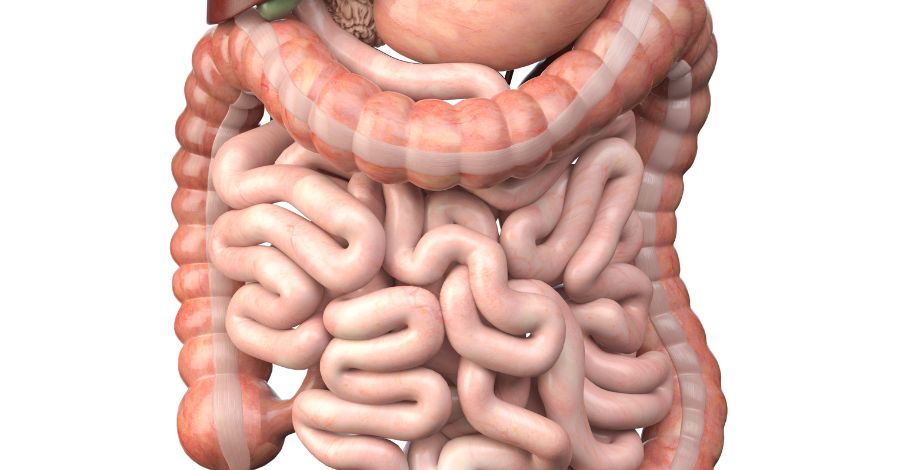
Gastrointestinal Dysregulation in Lyme Disease

Gastrointestinal Dysregulation in Lyme Disease

If your digestion has slowed and nothing seems to help, you’re not alone. Many patients with Lyme disease develop gastrointestinal symptoms that persist despite dietary changes, fiber supplementation, hydration, or normal testing. These symptoms may include constipation, bloating, early satiety, nausea, abdominal discomfort, or a constant sense that digestion is not moving forward properly. This

Gastrointestinal Dysregulation in Lyme Disease Read More »

Understanding Central Sensitization in Lyme Disease

Pain Processing and Central Sensitization in Lyme Disease

When Pain Persists Beyond Infection Some patients with Lyme disease experience pain that spreads, fluctuates, or intensifies long after the acute infection has been treated. Symptoms may worsen with stress, sleep disruption, or physical exertion and often seem disproportionate to findings on examination or testing. When conventional explanations fall short, it becomes necessary to consider

Pain Processing and Central Sensitization in Lyme Disease Read More »

Why Patients With Lyme Disease Feel Exhausted Despite Sleeping

Why Patients With Lyme Disease Feel Exhausted Despite Sleeping

Exhausted despite sleeping in Lyme disease Many patients with Lyme disease describe the same experience: they sleep through the night yet wake feeling depleted. This article focuses on biologic fatigue and impaired recovery, not sleep duration alone. Feeling exhausted despite sleeping often reflects what clinicians describe as non-restorative sleep, a state in which sleep occurs

Why Patients With Lyme Disease Feel Exhausted Despite Sleeping Read More »

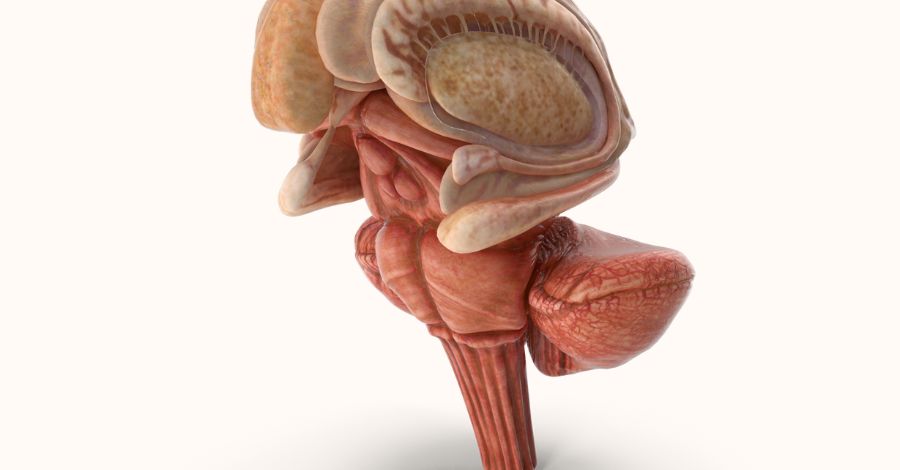
Brain Fog and Cognitive Dysfunction in Lyme Disease

Brain Fog and Cognitive Dysfunction in Lyme Disease

Many patients with Lyme disease describe a frustrating and often frightening experience: they can no longer think the way they used to. Concentration is harder. Words feel just out of reach. Tasks that once felt automatic now require intense effort. This constellation of symptoms is commonly referred to as brain fog in Lyme disease. While

Brain Fog and Cognitive Dysfunction in Lyme Disease Read More »