
Contact us at 914-666-4665

Dr. Daniel Cameron

Board-certified physician with 38+ years specializing in Lyme disease and tick-borne illnesses. Past President of ILADS (International Lyme and Associated Diseases Society) and first author of ILADS treatment guidelines. Dr. Cameron operates a solo practice focused on patient advocacy and evidence-based Lyme disease treatment. He is the author of 1,100+ articles spanning diagnosis, treatment, co-infections, and recovery from tick-borne illnesses. His work challenges conventional approaches that often leave patients undiagnosed or undertreated, emphasizing clinical judgment over rigid adherence to testing criteria that frequently produce false negatives.

Dr. Daniel Cameron
Why Lyme Disease Cases Rise in Spring

Sensory Overload in Lyme Disease: Why Normal Sensation Feels Too Intense

Unexpected Relief from Allodynia: Lyme Disease Treatment Worked! Allodynia is a neurological condition where non-painful stimuli—like a breeze, the pressure of clothing, or even light touch—cause pain. It’s often associated with central sensitization, where the brain and spinal cord become overly responsive to nerve signals. But sometimes, the trigger is more than just misfiring nerves. […]

Sensory Overload in Lyme Disease: Why Normal Sensation Feels Too Intense Read More »

Why Are Alpha-gal Reactions Delayed After Eating Meat?

Why Are Alpha-gal Reactions Delayed After Eating Meat?

Why Are Alpha-gal Reactions Delayed After Eating Meat? Alpha-gal delayed reaction is one of the most confusing features of this tick-borne allergy. Unlike typical food allergies that cause symptoms within minutes, alpha-gal reactions often appear 3 to 6 hours after eating mammalian meat. This unusual timing is one reason alpha-gal syndrome is frequently overlooked, especially

Why Are Alpha-gal Reactions Delayed After Eating Meat? Read More »

Why Lyme Symptoms Get Worse at Night

Why Lyme Symptoms Get Worse at Night

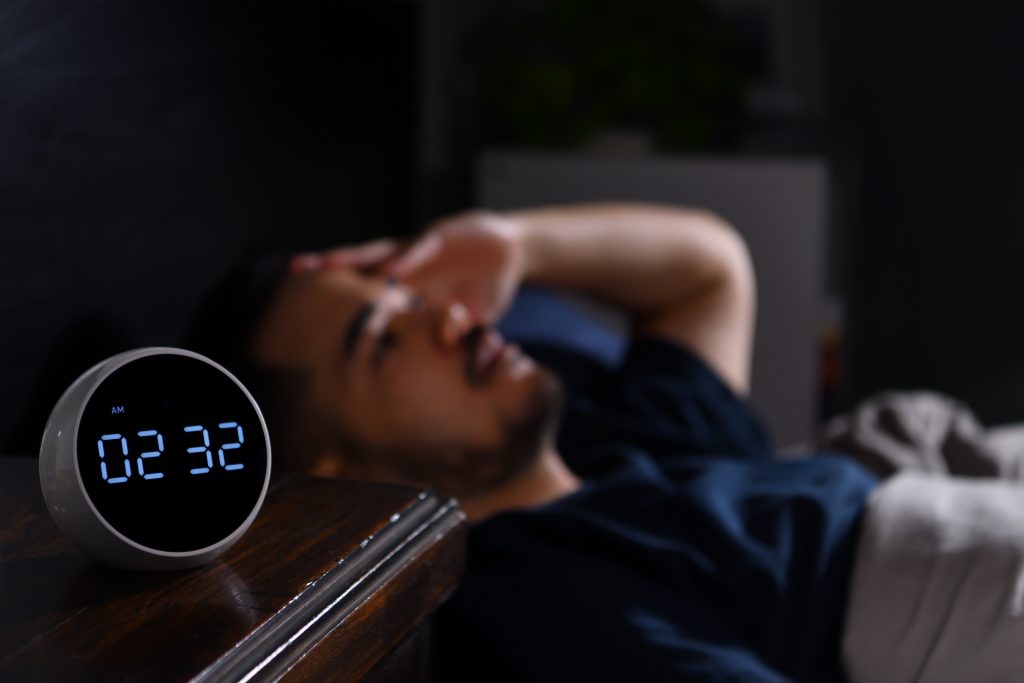
Why Lyme Symptoms Get Worse at Night Quick answer: Lyme symptoms often get worse at night due to autonomic nervous system instability, disrupted cortisol timing, and increased inflammatory signaling during vulnerable sleep transitions. Why do Lyme symptoms get worse at night? Many patients notice a pattern: symptoms feel more intense in the evening or wake

Why Lyme Symptoms Get Worse at Night Read More »

Doctor Who Treats Chronic Lyme

Doctor Who Treats Chronic Lyme | What to Look For

Finding a Doctor Who Treats Chronic Lyme What should you look for in a doctor who treats chronic Lyme? Many patients have seen multiple providers before finding someone who recognizes the full pattern of their symptoms. Lyme disease does not always present in a straightforward way. Symptoms often shift across systems—neurologic, musculoskeletal, and autonomic—rather than

Doctor Who Treats Chronic Lyme | What to Look For Read More »

Why Lyme Tests Can Be Negative Despite Ongoing Symptoms

Why Lyme Tests Can Be Negative Despite Ongoing Symptoms

Why Lyme Tests Can Be Negative Despite Ongoing Symptoms Many patients ask: why are my Lyme tests negative if I still have symptoms? Patients with Lyme disease symptoms may have negative or incomplete test results. This can be confusing—especially when symptoms persist. Clinical insight: Lyme disease is often identified by patterns of symptoms and exposure

Why Lyme Tests Can Be Negative Despite Ongoing Symptoms Read More »

Is This Lyme Disease or Something Else? Key Signs

Is This Lyme Disease or Something Else? Key Signs How to Tell the Difference

Is This Lyme Disease or Something Else? Lyme disease can mimic many other conditions. The question is not just which symptoms are present—but how they fit together. Because Lyme disease can begin subtly or be missed early, understanding how to prevent Lyme disease remains important—even before a diagnosis is confirmed. A patient recently asked, “Is

Is This Lyme Disease or Something Else? Key Signs How to Tell the Difference Read More »

Adrenaline Surges in POTS

Adrenaline Surges in POTS: Why Your Body Feels on Edge

Adrenaline Surges in POTS: Why Your Body Feels on Edge Adrenaline surges in POTS are a symptom pattern described by patients as sudden episodes of rapid heart rate, shakiness, and internal overstimulation that can feel similar to anxiety—but often occur without an emotional trigger. Many patients refer to these episodes as “adrenaline dumps.” While this

Adrenaline Surges in POTS: Why Your Body Feels on Edge Read More »

Exercise Intolerance in Lyme Disease:

Exercise Intolerance in Lyme Disease: Why Activity Can Make Symptoms Worse

Exercise Intolerance in Lyme Disease: Why Activity Can Make Symptoms Worse Exercise intolerance in Lyme disease is common—and often misunderstood. Many patients find that even light activity can trigger fatigue, pain, or flu-like symptoms. Instead of building strength, exercise can sometimes make symptoms worse. If you’ve asked yourself, “Can you exercise with Lyme disease?”, the

Exercise Intolerance in Lyme Disease: Why Activity Can Make Symptoms Worse Read More »