
Contact us at 914-666-4665

Dr. Daniel Cameron

Dr. Daniel Cameron is a board-certified physician and epidemiologist specializing in Lyme disease and tick-borne illnesses. He is a past president of ILADS and has contributed to Lyme disease treatment guidelines, with a clinical focus on diagnosis, testing limitations, and complex cases.

Dr. Daniel Cameron
What Do I Do When Specialists Disagree?

Synovectomy for Lyme Arthritis

Lyme Arthritis Treatment: Do You Need Surgery for Knee Swelling? Lyme arthritis is usually treated with antibiotics. Persistent knee swelling does not always mean the infection is gone. Surgery treats the joint—but not the whole illness. What is the best treatment for Lyme arthritis? Most patients with Lyme arthritis improve with antibiotic therapy. However, some […]

Synovectomy for Lyme Arthritis Read More »
SPINAL TAP DONE… AND NOW YOU FEEL WORSE

Spinal Tap Leak After Lyme Testing: When Symptoms Worse

Worse After a Spinal Tap? It Could Be a CSF Leak, Not Lyme Progression When Lyme Symptoms Worsen After a Spinal Tap Did your symptoms get worse after a spinal tap? Some patients notice new or worsening headaches, brain fog, dizziness, or fatigue after lumbar puncture—and assume their Lyme disease is getting worse. But in

Spinal Tap Leak After Lyme Testing: When Symptoms Worse Read More »

WHY DOES EVERYTHING LOOK LIKE STATIC

Visual Snow Syndrome: Why Symptoms Are Missed Despite Normal Tests

Visual Snow Syndrome: Why Symptoms Are Missed Despite Normal Tests Visual snow syndrome is a neurologic condition in which people see constant visual static—often described as television-like noise—despite normal eye exams. Patients frequently struggle to explain what they see. Some describe graininess across their entire visual field. Others notice flickering dots, shimmering air, or a

Visual Snow Syndrome: Why Symptoms Are Missed Despite Normal Tests Read More »

CAN’T EXERCISE WITHOUT CRASHING

How to Exercise in Lyme Disease When You’re Homebound

How to Exercise in Lyme Disease When You’re Homebound “I tried to do a little more… and now I can’t get off the couch.” For many patients, exercise in Lyme disease doesn’t mean workouts—it means trying to stand, walk across a room, or get through a shower without worsening symptoms. Quick Answer: When Lyme disease

How to Exercise in Lyme Disease When You’re Homebound Read More »

Lyme vs Long COVID: The Overlap Doctors Need to See

Lyme vs Long COVID: Why Symptoms Overlap and Get Missed

Lyme vs Long COVID: Why Symptoms Overlap and Get Missed Symptoms often look identical Patients are caught between diagnoses The pattern is frequently overlooked Quick Answer: Lyme vs long COVID overlap occurs because both conditions affect the nervous system, immune response, and energy regulation. Symptoms such as brain fog, fatigue, and dysautonomia can appear nearly

Lyme vs Long COVID: Why Symptoms Overlap and Get Missed Read More »

WHY CAN’T I TOLERATE ALCOHOL ANYMORE

Lyme Disease Alcohol Intolerance: Why You Can’t Tolerate Alcohol Anymore

Lyme Disease Alcohol Intolerance: Why You Can’t Tolerate Alcohol Anymore Many patients describe feeling foggy, overstimulated, shaky, or unsteady after drinking—not relaxed. Lyme disease alcohol intolerance is a common but often overlooked symptom, reflecting changes in autonomic, immune, and metabolic function. In my practice, I’ve learned to see alcohol intolerance not as a character flaw

Lyme Disease Alcohol Intolerance: Why You Can’t Tolerate Alcohol Anymore Read More »

WHY DO I CRASH AFTER EXERCISE

Post-Exertional Malaise in Lyme Explained

Post-Exertional Malaise in Lyme Explained A Clinical Guide to Post-Exertional Malaise in Lyme Disease Patients often tell me they can complete a workout or a busy day without any immediate problem, only to crash hours later. This phenomenon—called post-exertional malaise Lyme patients frequently experience—is one of the most misunderstood patterns in post-infectious illness. Instead of

Post-Exertional Malaise in Lyme Explained Read More »

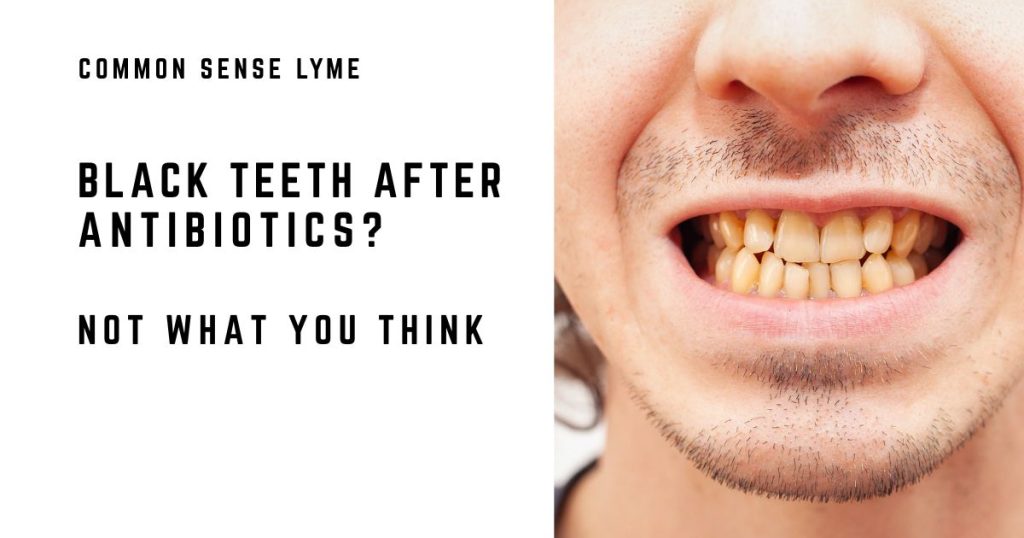
BLACK TEETH AFTER ANTIBIOTICS

Black Teeth After Antibiotics in Lyme Disease: Causes and Reversible Solutions

Black Teeth After Antibiotics in Lyme Disease: Causes and Reversible Solutions A Case That Surprised Both Patient and Clinician One of my patients recently developed black teeth after taking antibiotics for Lyme disease. The discoloration appeared suddenly and was deeply alarming to her — dark streaks and patches that looked like severe decay or even

Black Teeth After Antibiotics in Lyme Disease: Causes and Reversible Solutions Read More »

LIGHT OR SOUND TOO MUCH (1)

Why Am I So Sensitive to Light and Sound?

Why Am I So Sensitive to Light and Sound? Light feels sharper. Sound feels louder. Ordinary environments suddenly become overwhelming. For some Lyme disease patients, light sensitivity in Lyme disease and sound sensitivity are among the earliest and most disruptive neurologic symptoms. The brightness of kitchen lights may feel blinding, and the sound of a

Why Am I So Sensitive to Light and Sound? Read More »

LYME TINNITUS OR EAR FULLNESS

Lyme Tinnitus and Ear Fullness: Why Your Ears Feel Blocked or Ringing

Lyme Tinnitus and Ear Fullness: Causes and Why It Won’t Stop Lyme tinnitus and ear fullness can be persistent and unsettling—especially when your hearing tests are normal, yet the ringing, pressure, or blocked sensation won’t go away. Many patients are told “everything looks fine.” But in Lyme disease, these symptoms often reflect neurologic, inflammatory, and

Lyme Tinnitus and Ear Fullness: Why Your Ears Feel Blocked or Ringing Read More »