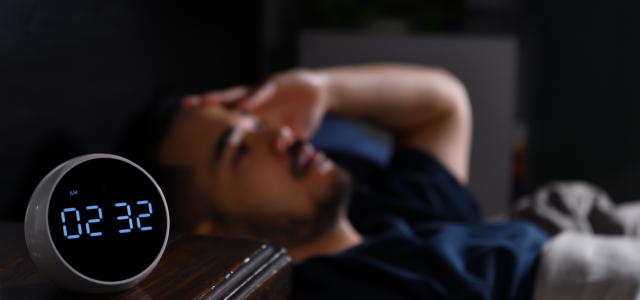
Tired but Wired Lyme Disease: Why Your Brain Won’t Shut Off
After 37 years treating Lyme disease, I’ve seen patients struggle to explain a pattern that feels contradictory but deeply real: “My body is exhausted, but my brain won’t shut off.” This tired-but-wired pattern is common in early Lyme disease, during treatment, and often persists after treatment. It is not psychological or the result of poor sleep habits. Instead, it reflects physiologic changes in the nervous system that Lyme disease can trigger—a key challenge in Lyme disease recovery.
What “Tired but Wired” Means in Lyme Disease
When patients use this phrase, they are describing a split between body and brain—deep physical fatigue paired with a nervous system that remains activated.
They feel wiped out, yet mentally alert. Lights and sounds seem sharper. Their body wants sleep, but their system cannot settle.
Sleep specialists refer to this as hyperarousal. Neurologists describe central sensitization. Autonomic clinicians recognize sympathetic overactivation. Different terms, one experience: a nervous system that won’t downshift.
How Lyme Disease Triggers the Tired but Wired Pattern
Lyme disease can disrupt the autonomic nervous system (ANS), which regulates rest, alertness, heart rate, digestion, temperature control, and sleep–wake transitions.
When this system becomes imbalanced, patients often develop high sympathetic (“fight-or-flight”) tone alongside reduced parasympathetic (“rest-and-restore”) recovery.
This imbalance forms the foundation of the tired-but-wired state. The body is asking for rest. The nervous system won’t allow it.
Many patients also develop POTS-like symptoms—lightheadedness, palpitations, temperature instability—further evidence that autonomic regulation is out of rhythm.
Hyperarousal: When the Brain Won’t Power Down
Hyperarousal describes a state in which the brain remains activated long after the body is done for the day.
Patients lie in bed exhausted, yet thoughts accelerate. An internal “buzzing” appears. The system feels revved rather than winding down.
Sleep becomes shallow and unrefreshing. They wake as tired as they were the night before.
This is not a lack of effort. It is a nervous system running too hot.
Circadian Rhythm Shifts in Lyme
Many Lyme patients notice their internal clock drifting. They feel sleepy in the afternoon, foggy in the morning, and unexpectedly alert late at night.
Patients describe missing their usual “sleep window,” or getting a sudden burst of energy just as the day quiets down. This is not poor sleep hygiene—it reflects a physiologic disruption of the sleep–wake rhythm.
The result is a schedule that no longer aligns with daily life: tired when they want to be awake, and wide awake when they desperately want to sleep.
Neuroinflammation and Sensory Reactivity
Lyme-related inflammation can increase the brain’s sensitivity to stimulation. Patients often say it feels as though the volume is turned up too high.
Sounds feel sharper. Lights seem brighter. Small stresses feel amplified.
A nervous system that reacts quickly during the day often stays reactive at night—feeding the tired-but-wired cycle.
Why This Isn’t Anxiety
Patients are frequently told these symptoms reflect anxiety, but their descriptions tell a different story:
“My mind isn’t worried—my body just won’t shut off.” “I’m tired, not afraid.” “I feel stuck in high gear.”
These are autonomic symptoms, not emotional ones. The tired-but-wired state reflects physiologic activation—not psychological distress.
Clinical Takeaway
After 37 years treating Lyme disease, I’ve learned that the tired-but-wired pattern reflects multiple systems misfiring at once. The autonomic nervous system slips out of balance, leaving fight-or-flight responses elevated while restorative pathways fail to engage. Circadian rhythms drift, pushing alertness into the evening and fog into the morning, while inflammation heightens sensitivity to light, sound, and stimulation. This is not a behavioral issue—it is physiology operating on the wrong settings, and recognizing it helps prevent mislabeling autonomic dysregulation as anxiety.
Frequently Asked Questions
What does “tired but wired” mean in Lyme disease?
It describes deep physical exhaustion combined with a nervous system that remains overstimulated, making rest and sleep difficult despite severe fatigue.
Is being tired but wired a sign of anxiety?
No. Although it can resemble anxiety, this pattern reflects autonomic nervous system dysregulation and hyperarousal rather than emotional distress.
Why am I exhausted but still unable to sleep?
Lyme can disrupt autonomic balance, circadian rhythms, and inflammatory signaling, keeping the brain activated even when the body is depleted.
Can Lyme disease affect the autonomic nervous system?
Yes. Lyme is associated with autonomic dysfunction, which can affect heart rate, temperature regulation, digestion, stress recovery, and sleep–wake transitions.
Does the tired-but-wired feeling improve over time?
For many patients, symptoms lessen as underlying contributors—such as infection, inflammation, autonomic imbalance, and pacing—are addressed.
Related Reading
Lyme Disease Recovery: What Patients Need to Know
Lyme Disease Insomnia: Why You Wake Up at 2-3 AM
Exhausted Despite Sleeping: Non-Restorative Sleep
Autonomic Dysfunction in Lyme Disease
Lyme Disease Treatment Options
References
- Bonnet MH, Arand DL. Hyperarousal and insomnia: state of the science. Sleep Med Rev. 2010;14(1):9–15.
- Raj SR. Postural tachycardia syndrome (POTS). Circulation. 2013;127(23):2336–42.
- Cermakian N, Boivin DB. Human circadian rhythm disorders. Brain Res Rev. 2003;42(3):204–20.
- Perry VH, Holmes C. Microglial priming in neurodegenerative disease. Nat Rev Neurol. 2014;10(4):217–24.
- Woolf CJ. Central sensitization: implications for diagnosis and treatment. Pain. 2011;152(3 Suppl):S2–S15.
Dr. Daniel Cameron, MD, MPH
Lyme disease clinician with over 30 years of experience and past president of ILADS.
Symptoms • Testing • Coinfections • Recovery • Pediatric • Prevention