
Eye Problems in Lyme Disease: What Clinicians Should Know
Yes—but it is often overlooked.
And diagnosis can be challenging.
Eye problems Lyme disease are an underrecognized aspect of tick-borne illness.
According to Sathiamoorthi, diagnosing tick-borne diseases requires understanding both systemic symptoms and the epidemiology of disease vectors.
While ocular findings are well described in Lyme disease and Rocky Mountain spotted fever, they are considered rare in other tick-borne illnesses such as babesiosis, ehrlichiosis, anaplasmosis, Powassan virus, and Colorado tick fever.
Ocular Involvement: Likely Underdiagnosed
The true prevalence of eye involvement in tick-borne disease is unknown.
One reason is the limitation of current testing.
Patients early in the course of illness may not yet have detectable antibodies, making diagnosis difficult.
Clinical issue: testing too early can lead to false-negative results.
When Multiple Infections Complicate the Picture
Diagnosis becomes even more complex when more than one tick-borne infection is present.
In one reported case, a patient with optic neuritis and orbital myositis had serologic evidence of:
- Borrelia burgdorferi
- Babesia
- Human monocytic ehrlichiosis (HME)
Clinical pattern: overlapping infections can blur the cause of ocular symptoms.
Ticks Associated with Ocular Disease
Several tick species have been linked to ocular findings, including:
- Ixodes scapularis
- Amblyomma americanum
- Dermacentor variabilis
- Dermacentor andersonii
- Ornithodoros species
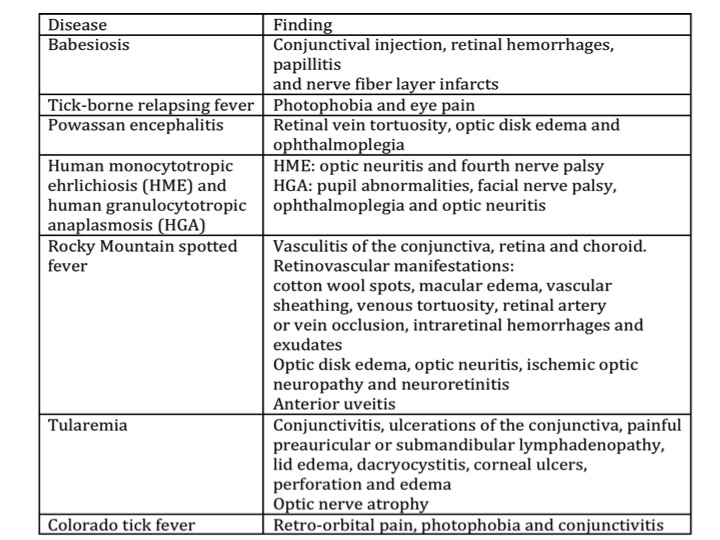
Clinical insight: exposure history remains essential when evaluating unexplained eye symptoms.
Who Is Most Likely to Have Ophthalmic Lyme Disease?
Patients most likely to have eye involvement from Lyme disease typically have:
- Ocular findings associated with Lyme disease (e.g., Bell’s palsy, cranial nerve palsies, keratitis)
- History of tick exposure in endemic regions
- Other systemic features of Lyme disease (arthritis, carditis, neurologic symptoms)
- Negative testing for alternative diagnoses such as syphilis
Clinical approach: diagnosis depends on pattern recognition, not a single test.
Clinical Takeaway
Eye problems in Lyme disease may be underrecognized due to testing limitations and overlapping infections.
Careful history, exposure assessment, and recognition of systemic patterns are critical for diagnosis.
Key question: Could unexplained ocular symptoms be part of a broader tick-borne illness?
For more, see A growing list of eye problems in Lyme disease.
References:
- Sathiamoorthi S, Smith WM. The eye and tick-borne disease in the United States. Curr Opin Ophthalmol. 2016.
- Pendse S, et al. The ticking time bomb. Surv Ophthalmol. 2006.
Dr. Daniel Cameron, MD, MPH
Lyme disease clinician with over 30 years of experience and past president of ILADS.
Symptoms • Testing • Coinfections • Recovery • Pediatric • Prevention

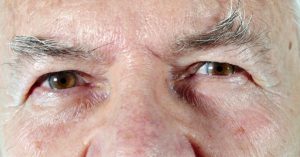

I have made to have shots in my eye plus eye surgery. We are trying to save my eye. I had two Lyme test come back negative. And I have been sick off and on all year. With things never happened to my body before. They cannot find out the source of this infection. I know I have line that I cannot get them to listen to me. What can I do if my test keep coming back negative
There are so many causes for eye problems beyond Lyme disease. Your doctor will have to use clinical judgment to determine whether to treat for Lyme disease if the test are negative.
My eyes are sensitive to light is this a problem many people complain about.
I have ocular toxoplasmosis has anyone ever tested you for this?
Toxoplasmosis can cause problems in HIV disease. I have not seen any work on whether toxoplasmosis is a problem for Lyme disease patients.
My husband is desperate for answers regarding his permanent vision loss in one of his eyes (he is 39 years old, non-smoker, in great physical shape, doesn’t drink or so drugs). He has had chronic Lyme and Erhlicosis (he was hospitalized). He is mostly outdoors for work and gets bit regularly. He has seen multiple doctors with no answers—they are at a loss because all the testing comes back normal. He is in chronic eye pain, eye pressure, chronic headaches, blurry vision (separate from his eye loss), and heart palpitations. Lyme testing comes back low levels. I know erhlicosis can cause blindness in dogs but are there studies showing it can affect the optic nerves in the eye causing blindness in humans?
I have not seen permanent vision loss in my patients. I wrote the following blog from a published case. https://danielcameronmd.com/lyme-disease-vision-problems/
The fact that tick-borne diseases can affect the eyes in various ways is both concerning and enlightening. Your detailed exploration of these ocular manifestations not only raises awareness but also emphasizes the importance of recognizing symptoms beyond the typical manifestations of tick-related illnesses.