
Contact us at 914-666-4665

March 8, 2026

Child with emotional distress possibly linked to Lyme disease behavioral symptoms

Behavioral Changes in Children With Lyme Disease

Sudden Behavioral Changes in Children With Lyme Disease Lyme disease can cause sudden behavioral symptoms in children, including irritability, aggression, anxiety, and oppositional behavior. These changes may appear abruptly in children who previously functioned well at home and in school. After 37 years treating Lyme disease, I have treated middle and high school students whose […]

Behavioral Changes in Children With Lyme Disease Read More »

Pediatrician examining an infant during evaluation for possible Lyme disease or Babesia infection.

Lyme Disease in Infants: Babesia and Early Tick-Borne Infection

Tick-Borne Infections in Infants: Lyme Disease and Babesia Lyme disease in infants is rarely discussed in the medical literature, in part because diagnosis can be difficult. Infants cannot describe symptoms such as headache, dizziness, or fatigue, and physical examination findings may be subtle. In addition, current testing methods may be less reliable early in infection.

Lyme Disease in Infants: Babesia and Early Tick-Borne Infection Read More »

When Lyme Arthritis in Children Is Mistaken for Juvenile Idiopathic Arthritis

Lyme Arthritis in Children

Lyme Arthritis in Children Lyme arthritis in children is one of the most common late manifestations of Lyme disease. It typically develops weeks to months after infection with Borrelia burgdorferi, the bacterium transmitted by tick bites. Lyme arthritis is also one of the most common musculoskeletal complications of pediatric Lyme disease. Unlike early Lyme disease,

Lyme Arthritis in Children Read More »

Doctor examining facial symmetry in a child with suspected facial nerve palsy.

Facial Nerve Palsy in Children With Lyme Disease

Facial Nerve Palsy in Children With Lyme Disease A child who suddenly develops facial drooping is often diagnosed with Bell’s palsy. In Lyme-endemic regions, however, Lyme disease is a common cause of facial nerve palsy in children. Recognizing Lyme-related facial palsy is important because treatment strategies differ from those used for idiopathic Bell’s palsy. Facial

Facial Nerve Palsy in Children With Lyme Disease Read More »

Brain and behavior illustration representing PANS or PANDAS-like symptoms in children with Lyme disease

PANS, PANDAS, and OCD-Like Symptoms in Children With Lyme Disease

PANS-, PANDAS-, and OCD-like Presentations in Children With Lyme Disease Some children with Lyme disease develop sudden behavioral or psychiatric symptoms that resemble pediatric acute-onset neuropsychiatric syndrome (PANS) or pediatric autoimmune neuropsychiatric disorders associated with streptococcal infections (PANDAS). These symptoms may include anxiety, obsessive-compulsive behaviors, mood changes, and difficulty concentrating. Because these presentations involve changes

PANS, PANDAS, and OCD-Like Symptoms in Children With Lyme Disease Read More »

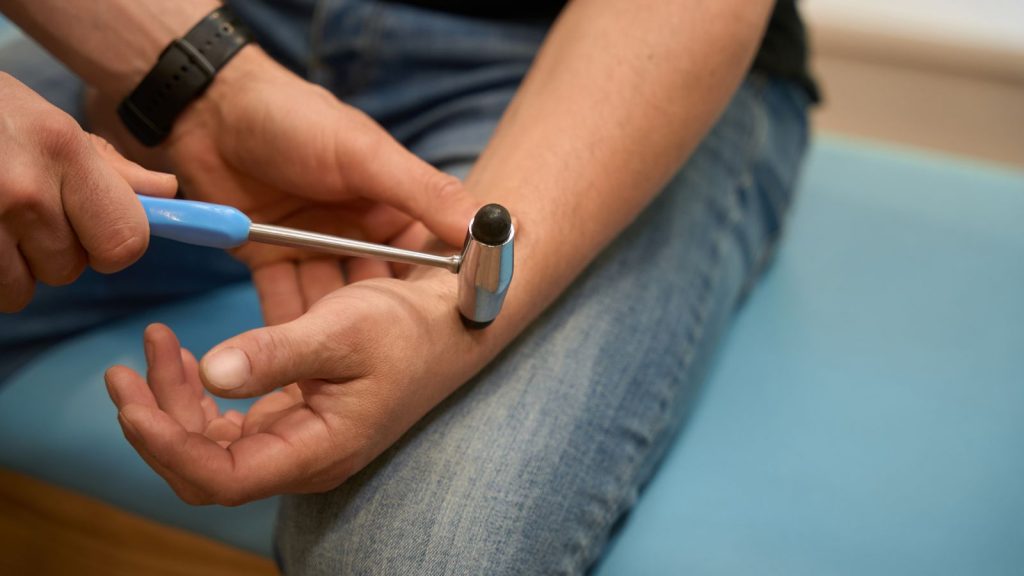
Lyme disease can involve the nervous system in children, producing a range of neurologic symptoms.

Neurologic Lyme Disease in Children

Neurologic Lyme Disease in Children Lyme disease can affect the nervous system in both adults and children. When the infection involves the nervous system, it is often referred to as Lyme neuroborreliosis. Although neurologic Lyme disease has been widely studied in adults, pediatric cases may present differently and can sometimes be overlooked. Children with neurologic

Neurologic Lyme Disease in Children Read More »