Can Lyme Disease Cause Sudden Behavioral Changes in Children?
Sudden behavioral changes may occur in children with Lyme disease.
Neurologic Lyme disease can affect mood, behavior, and emotional regulation.
Early recognition and treatment may improve outcomes.
Can Lyme disease cause sudden behavioral changes in children? Neurologic Lyme disease may contribute to irritability, aggression, anxiety, oppositional behavior, and emotional outbursts in some children. These behavioral changes may be more common than generally recognized because they often overlap with primary psychiatric or developmental disorders. Behavioral changes should always be interpreted alongside other neurologic or physical symptoms and the child’s risk of tick exposure.
These behavioral symptoms may occur as part of pediatric Lyme disease, where neurologic and inflammatory effects of infection may disrupt emotional regulation, impulse control, and stress tolerance.
Behavioral and Neuropsychiatric Symptoms in Pediatric Lyme Disease
The neurologic and immune responses triggered by Lyme disease can affect brain circuits involved in mood regulation, attention, and impulse control.
Children with Lyme disease may develop:
- irritability or emotional lability
- aggressive or oppositional behavior
- anxiety or panic symptoms
- difficulty concentrating
- sensory hypersensitivity to sound, touch, or light
- sleep disturbances
- cognitive symptoms such as brain fog
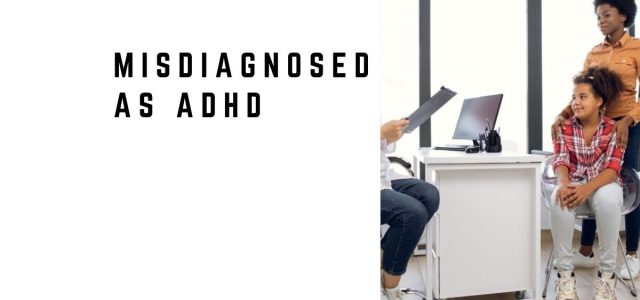
These symptoms may overlap with other neuropsychiatric conditions and can sometimes resemble ADHD, mood disorders, or anxiety disorders.
Some children also develop dizziness, fatigue, or heart-rate instability related to autonomic dysfunction, which can further affect emotional regulation and stress tolerance.
Other Symptoms That May Accompany Behavioral Changes
Behavioral symptoms rarely occur in isolation. Children with neurologic Lyme disease may also develop:
- headache
- fatigue
- neck pain
- facial weakness
- dizziness
- joint pain
- poor concentration
- sleep disturbance
- sensory sensitivity
When sudden behavioral changes occur together with these symptoms, Lyme disease may be worth considering as part of the differential diagnosis, particularly in children living in or visiting tick-endemic areas.
Published Observations of Behavioral Symptoms
Behavioral symptoms are increasingly recognized as part of the clinical spectrum of pediatric neurologic Lyme disease, although they may be overlooked because they overlap with common psychiatric and developmental disorders. A recent review notes that while facial nerve palsy and meningitis are the most common neurologic manifestations, children—especially younger children—may also present with nonspecific symptoms including fatigue, loss of appetite, and mood changes. Because these symptoms overlap with many childhood illnesses and behavioral disorders, Lyme disease may not be considered initially, particularly when classic findings such as erythema migrans or facial palsy are absent.
Child and adolescent psychiatrist Rosalie Greenberg has also described behavioral dysregulation in some children evaluated for tick-borne illnesses, emphasizing the importance of considering infectious causes when neuropsychiatric symptoms appear abruptly.
Published Case Illustration
A 2024 case report described a four-year-old child who developed seizures followed by significant behavioral changes before Lyme disease was diagnosed. The child initially presented with fatigue, refusal to walk, and generalized tonic-clonic seizures. Testing ultimately confirmed Lyme neuroborreliosis.
Although the child’s neurologic condition improved after antibiotic treatment, behavioral symptoms—including anxiety, night terrors, tantrums, hallucinations, and mood changes—persisted for several months before gradually improving. This case illustrates that behavioral symptoms may accompany pediatric neurologic Lyme disease and highlights the need for continued research in this area.
Possible Immune-Mediated Behavioral Syndromes
In some children, infections—including Borrelia burgdorferi—have been proposed as potential triggers for immune-mediated neuropsychiatric syndromes such as Pediatric Acute-onset Neuropsychiatric Syndrome (PANS). PANS remains a separate clinical diagnosis, and its relationship to Lyme disease continues to be investigated.
PANS may include:
- OCD-like behaviors
- tics
- mood instability
- rage episodes
- anxiety
- behavioral regression
These symptoms are believed to result from immune activation affecting brain circuits involved in emotional regulation and behavior.
Clinical Perspective
In my clinical practice, I have seen children develop sudden behavioral changes that were out of character and occurred alongside other neurologic or systemic symptoms of Lyme disease. Parents often describe abrupt changes in mood, irritability, or emotional regulation that occur together with physical or cognitive symptoms.
I have also cared for middle- and high-school students whose severe oppositional behavior improved as their Lyme disease was treated with antibiotics. Although this clinical experience does not establish causation, it illustrates that tick-borne illness may occasionally contribute to significant behavioral symptoms.
When behavioral symptoms occur alongside neurologic, cognitive, or physical symptoms—particularly in children with outdoor exposure in tick-endemic areas—tick-borne infection may be worth considering as part of the differential diagnosis.
Fortunately, most children treated for Lyme disease recover completely, although some continue to experience symptoms for several months before returning to their usual level of functioning. Families should be reassured that recovery times can vary.
Frequently Asked Questions
Can Lyme disease cause behavior problems in children?
Yes. Neurologic Lyme disease may contribute to irritability, aggression, anxiety, emotional outbursts, or oppositional behavior in some children.
Can Lyme disease change a child’s personality?
Parents sometimes report sudden changes in mood or behavior during Lyme disease. These changes should be evaluated together with other neurologic or physical symptoms and should not automatically be assumed to represent a primary psychiatric disorder.
What symptoms may accompany behavioral changes?
Children may also experience fatigue, headaches, dizziness, facial weakness, joint pain, sleep disturbances, cognitive difficulties, or sensory sensitivity.
Should a child with sudden behavioral changes be tested for Lyme disease?
Testing may be appropriate when behavioral symptoms occur together with compatible physical or neurologic findings, possible tick exposure, or residence in a Lyme-endemic area. Lyme disease is one of many possible causes and should be considered as part of the overall clinical evaluation.
Are these symptoms permanent?
Most children recover completely after appropriate antibiotic treatment, although some symptoms may persist for several months before gradually resolving.
Clinical Takeaway
Sudden behavioral changes are an underrecognized manifestation of pediatric Lyme disease. When they occur together with neurologic or systemic symptoms, Lyme disease should be considered as part of the differential diagnosis.
Recognizing atypical neurologic presentations of Lyme disease may help reduce delays in diagnosis while ensuring children receive an appropriate medical and psychiatric evaluation when needed.
Related Articles
Neurologic Lyme disease
Lyme disease symptoms guide
Why Lyme disease tests can be negative early
Lyme disease misdiagnosis
References
- Bruinsma RA, Zomer TP, Skogman BH, et al. Clinical manifestations of Lyme neuroborreliosis in children: a review. Eur J Pediatr. 2023;182(5):1965-1976.
- Khurtsilava I, Kanjaradze D, Tsirdava N, Parulava T, Darsania I. Rare Presentation of Pediatric Nervous System Lyme Disease: A Case Report. Cureus. 2024;16(5):e60535.
- Monaghan M, Norman S, Gierdalski M, et al. Pediatric Lyme disease: systematic assessment of post-treatment symptoms and quality of life. Pediatr Res. 2024;95(1):174-181.
- Rhee H, Cameron DJ. Lyme disease and pediatric autoimmune neuropsychiatric disorders associated with streptococcal infections (PANDAS): an overview. Int J Gen Med. 2012;5:163-174.
- Greenberg R. Tick-borne infections and psychiatric illness in children and adolescents. Psychiatric Times.
Dr. Daniel Cameron, MD, MPH
Lyme disease clinician with over 30 years of experience and past president of ILADS.
Symptoms • Testing • Coinfections • Recovery • Pediatric • Prevention