More Than 50% of Mice in Kentucky Infected with Lyme Bacteria
Lyme disease risk may be higher in some regions than previously recognized. A study in Kentucky found that a substantial proportion of small mammals carry the bacteria responsible for Lyme disease.
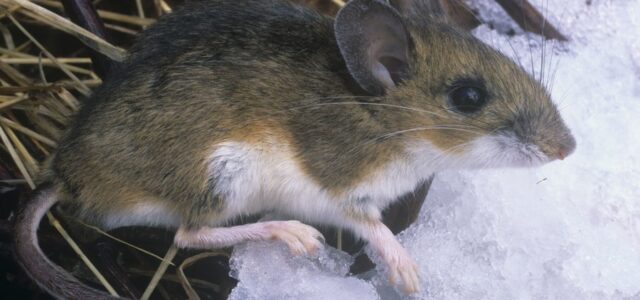
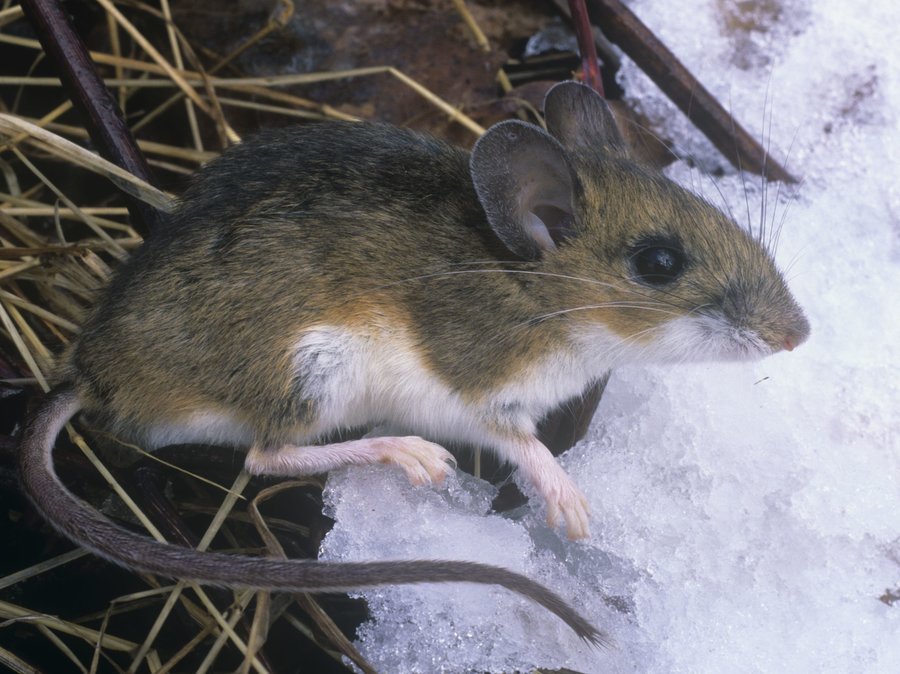
In their study, Buchholz and colleagues from Western Kentucky University found that more than half of the mice tested were infected with Borrelia burgdorferi.
The researchers also found that detection rates differed depending on the method of testing. “Overall prevalence of B. burgdorferi in mammals examined by blood sampling was 21.8%, while prevalence in tissues was 63.5%,” the authors report. This finding is consistent with other studies showing that tissue sampling may better detect infection than blood testing.
Lyme Disease Reservoirs in the Southeast
The prevalence of infected mammals in Kentucky was similar to findings in other southeastern states. Studies in Georgia, Florida, and South Carolina have reported infection rates ranging from 6.5% to 41.8%, while 25% to 37% of small mammals in Virginia have tested positive for B. burgdorferi.
These findings highlight the role of small mammals as reservoirs for Lyme disease and the potential for ongoing transmission in regions not traditionally considered high risk. For more on how Lyme disease spreads, see how Lyme disease is transmitted.
Is Kentucky a Lyme-Endemic Area?
Kentucky has historically been classified as a non-endemic state. However, the presence of infected rodent populations suggests that residents may face a greater risk than previously recognized.
“The presence of B. burgdorferi in rodent species in south-central Kentucky ostensibly poses a risk for B. burgdorferi to be vectored to and cause Lyme disease in humans,” the authors note.
Why Human Cases May Be Underestimated
Reported cases of Lyme disease in Kentucky have been lower than expected based on the prevalence of infected animals. The authors suggest this discrepancy may reflect underdiagnosis or underreporting, as well as ecological factors affecting transmission.
These findings reinforce the importance of clinical awareness and prevention strategies, even in areas not traditionally considered endemic. For prevention guidance, see Lyme disease prevention.
Takeaway
More than half of mice in one Kentucky study carried Lyme bacteria, suggesting that infection risk may be underestimated in some regions. Reservoir hosts play a key role in transmission, even in areas considered low risk.
References:
- Buchholz MJ, Davis C, Rowland NS, Dick CW. Borrelia burgdorferi in small mammal reservoirs in Kentucky, a traditionally non-endemic state for Lyme disease. Parasitol Res. 2018.
- Oliver JH Jr., Lin T, Gao L, et al. An enzootic transmission cycle of Lyme borreliosis spirochetes in the southeastern United States. Proc Natl Acad Sci U S A. 2003;100(20):11642-11645.
- Sonenshine DE, Ratzlaff RE, Troyer J, et al. Borrelia burgdorferi in eastern Virginia: comparison between a coastal and inland locality. Am J Trop Med Hyg. 1995;53(2):123-133.
Dr. Daniel Cameron, MD, MPH
Lyme disease clinician with over 30 years of experience and past president of ILADS.
Symptoms • Testing • Coinfections • Recovery • Pediatric • Prevention



The mouse study was done entirely at WKU’s Green River Reserve, so it’s a bit of a stretch to extend the results to all of Kentucky. Nevertheless, the conclusion is probably correct: a new survey of blacklegged ticks off deer found Borrelia infection in many KY counties. https://www.sciencedirect.com/science/article/pii/S1877959X1730571X
Thanks for sharing. Studies of mice in New York from one location showed the tick borne infections were prevalent across a broad area.
We have patients from all over KY contacting us, KY Lyme Disease Association, that have confirmed Lyme disease. Our LLMD’s are fed up with KY for not doing more. We have to send patients out of state because UofL and UK continue to teach their doctors that Lyme is NOT in KY. Our whole family has Lyme and up and down our road, people have Lyme. Doctors do not recognize symptoms here and our LLMD’s are getting flooded.
Thanks for sharing your frustration. The paper addressed in my Lyme Disease Science blog adds evidence that there is a problem in Kentucky.
My 7 yr old daughter was diagnosed with Lyme disease monday september 10th 2018. I live in Trigg county kentucky in a rural area by Lake Barkley. She has the bulls eye rash in 2 places. Tomorrow we go for lab testing in a county nearby. Me and my husband are so scared we don’t know where to take her to ensure she gets the best treatment available please any advice is welcome. Thank you to anyone with help or advice for reading my comment!
I am another resident of Kentucky that has been diagnosed with Lyme . Northern Kentucky. I am sure that ticks carrying tickborne diseases are just cruising through the Ohio River Valley, which basically runs from Pennsylvania to the Mississippi river. In my area I know of almost 40 people fighting lyme or ” after damage”. We have all had to go out of state for treatment.
My granddaughter had two very small ticks on her back I got them out but the second one I don’t think I got the head out they were very itchy once I removed them the spots were still itchy but the night before last she said she was feeling dizzy while she was laying down she laid in bed half of the day which is not normal for her and last night she didn’t go to sleep until 2am the spots are swollen but no bulls eye Does this sound like a tick bite that needs medical attention?
Your daughter should be evaluated. Lyme disease should be considered even without a rash even if the tests are normal.