Lyme Disease Shared Decision Making: Why Patients Must Be Involved
Lyme disease shared decision making is essential in a condition marked by uncertainty, variation in symptoms, and differing treatment approaches. Medicine is increasingly moving away from a model where physicians make all decisions toward a patient-centered approach that actively involves patients at every stage of care. :contentReference[oaicite:0]{index=0}
Institutions such as Penn State Medical College and the Mayo Clinic have emphasized the importance of shared decision making, recognizing that patients and clinicians bring different but equally important expertise to clinical decisions.
“While clinicians know information about the disease, tests and treatments, the patient knows information about their body, their circumstances, and their goals.”
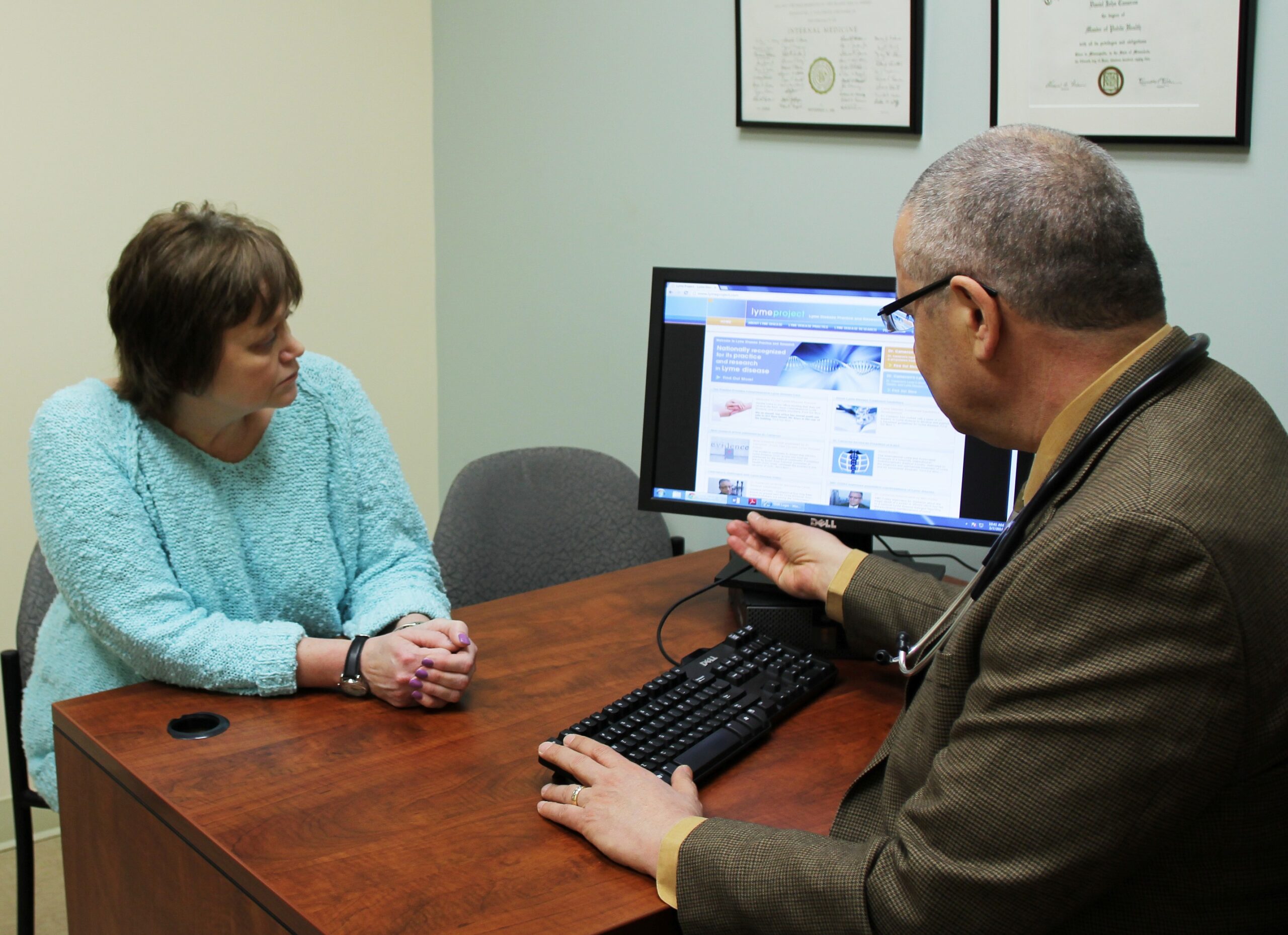
Shared decision making is especially important when treating Lyme disease patients.
Why Lyme Disease Requires Shared Decision Making
Lyme disease is a complex, multisystem illness with variable presentations and outcomes.
There is no single treatment approach that applies to all patients, making individualized care essential.
A “one-size-fits-all” approach is often insufficient for patients with Lyme disease.
Two Sets of Treatment Guidelines
Two major medical societies provide evidence-based guidelines:
- Infectious Diseases Society of America (IDSA)
- International Lyme and Associated Diseases Society (ILADS)
However, many patients are only informed about one set of recommendations, limiting their ability to make fully informed decisions.
Differences Between IDSA and ILADS Approaches
The IDSA guidelines recommend:
- A single 200 mg dose of doxycycline after a tick bite
- 10–21 days of antibiotics for erythema migrans
- No retreatment for persistent symptoms
In contrast, the 2014 ILADS guidelines:
- Do not specify a fixed duration of treatment
- Encourage individualized therapy based on patient response
- Emphasize risk–benefit assessment
ILADS evaluated the IDSA recommendations using the GRADE system and found the evidence to be low or very low quality.
The Role of Risk–Benefit Assessment
Shared decision making allows clinicians and patients to weigh:
- Potential benefits of treatment
- Risks of antibiotics
- Severity of illness
- Patient preferences and goals
Patients differ in their tolerance for risk and in what outcomes they value most.
Shared decision making respects both clinical expertise and the patient’s right to make informed choices.
Key Clinical Decisions in Lyme Disease
1. Should prophylactic antibiotics be used after a tick bite?
Some patients prioritize preventing chronic illness, while others prefer to avoid unnecessary antibiotics.
This decision should be individualized through shared discussion.
2. Should treatment duration be limited?
Some patients prioritize full recovery and prevention of chronic symptoms, while others prioritize minimizing antibiotic exposure.
Shared decision making helps balance these competing priorities.
3. Should persistent symptoms be retreated?
Patients vary widely in disease severity, quality of life impact, and tolerance for treatment risks.
These factors must be considered when deciding whether to pursue additional therapy.
Clinical Perspective
Lyme disease is an ideal condition for shared decision making due to its complexity and variability.
Patients should be given clear information about all treatment options—including both IDSA and ILADS guidelines—to make meaningful, informed choices.
Adopting a collaborative approach may improve patient outcomes and satisfaction while addressing the uncertainties inherent in Lyme disease care.
References
- Shared decision-making in medicine resources.
- Mayo Clinic Shared Decision Making Center.
- IDSA Guidelines.
- ILADS Guidelines.
Dr. Daniel Cameron, MD, MPH
Lyme disease clinician with over 30 years of experience and past president of ILADS.
Symptoms • Testing • Coinfections • Recovery • Pediatric • Prevention