Can Lyme Disease Cause Double Vision and Heart Block?
Double vision may occur in early disseminated Lyme disease.
Heart block and neurologic symptoms can appear together.
MRI findings supported cranial nerve involvement in this case.
Early disseminated Lyme disease can involve both the nervous system and the heart. In this case, double vision and heart block occurred together during early infection.
One month prior to evaluation, a 49-year-old man removed a tick from his outdoor cat. Laboratory testing was positive on both a Lyme enzyme-linked immunosorbent assay and confirmatory Western blot with 3 IgM bands: p41, p39, and p23.
Electrocardiography revealed new second-degree Mobitz type I heart block, and the patient was admitted for further evaluation and monitoring.
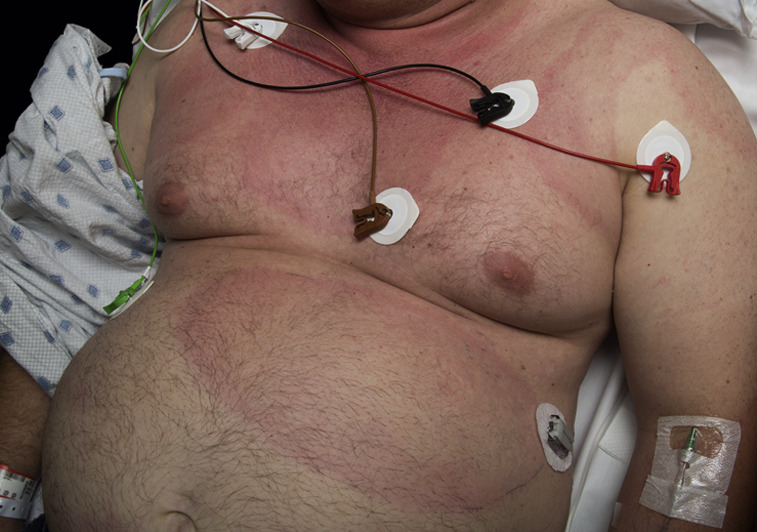
Neurologic and Cardiac Involvement in Early Disseminated Lyme Disease
A magnetic resonance imaging study performed within 24 hours of admission revealed abnormal enhancement of the bilateral oculomotor nerves, left trigeminal nerve, and probable left abducens nerve, consistent with disseminated Lyme disease, according to Blackwell.
The patient’s rash, heart block, fatigue, and myalgias improved rapidly after initiation of a four-week course of intravenous ceftriaxone.
Could Earlier Treatment Have Prevented Complications?
It is unclear whether the heart block, diplopia, hospitalization, and need for intravenous antibiotics could have been prevented if treatment had been started earlier at the onset of the rash.
The case report did not specify whether antibiotic therapy led to full resolution of diplopia.
Patients with neurologic or cardiac symptoms may benefit from review of Lyme disease symptoms, evaluation of testing accuracy, and timely treatment to reduce the risk of complications.
References
- Blackwell WA. Early Disseminated Lyme Disease. Mayo Clin Proc. 2017;92(4):687-688.
Dr. Daniel Cameron, MD, MPH
Lyme disease clinician with over 30 years of experience and past president of ILADS.
Symptoms • Testing • Coinfections • Recovery • Pediatric • Prevention