Can Different Lyme Strains Cause Reinfection?
Reinfection with a different strain of Borrelia burgdorferi may increase infectivity and raise the possibility of superinfection.
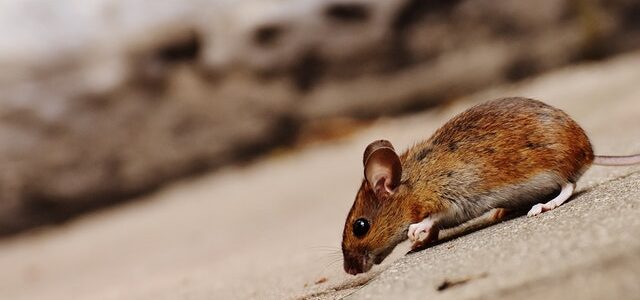
New research in mice suggests that not all Lyme exposures behave the same—especially when different strains are involved.
What Happens With Reinfection?
In a study by Bhatia and colleagues, researchers examined how prior infection affects the ability of B. burgdorferi to infect a host.
They found:
- Reinfection with the same strain reduced spirochete infectivity
- Reinfection with a different strain increased infectivity
In other words, prior infection did not fully protect against reinfection—and may behave differently depending on the strain.
What Is Superinfection?
Superinfection occurs when a host already infected with B. burgdorferi becomes infected again with a different strain.
“Superinfection is defined as the introduction of B. burgdorferi into a host that already harbors an ongoing infection,” explains Rogovskyy.
In nature, this is plausible because multiple strains of B. burgdorferi often coexist in the same geographic region.
Why This Matters
Ticks feeding on previously infected hosts showed increased ability to transmit infection when a different strain was involved.
This suggests that:
- Natural exposure does not guarantee protection
- Strain diversity may influence disease dynamics
- Hosts—including humans—may be exposed to multiple strains over time
Implications for Humans
Although this study was conducted in mice, prior research has shown that humans can be reinfected with different strains of B. burgdorferi after treatment.
This raises important clinical questions:
- Can repeated tick bites lead to more complex infections?
- Does strain variation affect symptom severity or persistence?
- Could vaccines need to target multiple strains to be effective?
Clinical Takeaway
Reinfection with Lyme disease is possible, and strain variation may play an important role. Clinicians should remain aware that prior infection does not necessarily provide full protection, particularly in endemic areas with diverse B. burgdorferi strains.
Dr. Daniel Cameron, MD, MPH
Lyme disease clinician with over 30 years of experience and past president of ILADS.
Symptoms • Testing • Coinfections • Recovery • Pediatric • Prevention