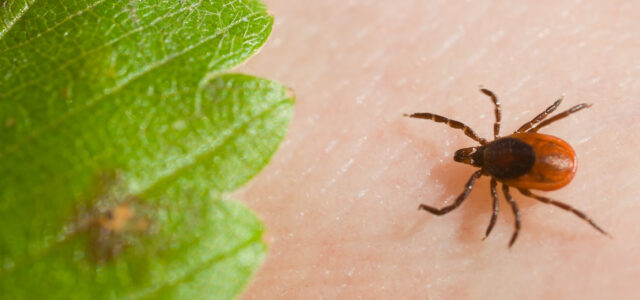
7 Tick-Borne Pathogens Identified in Minnesota
Tick-borne pathogens in Minnesota include at least seven infectious agents—highlighting the growing complexity of tick exposure in this region.
A study published in Ticks and Tick-borne Diseases analyzed 1,240 host-seeking Ixodes scapularis (black-legged) nymphal ticks collected in Minnesota.
Researchers identified seven pathogens:
- Borrelia burgdorferi sensu stricto (Lyme disease)
- Borrelia mayonii
- Borrelia miyamotoi
- Anaplasma phagocytophilum
- Ehrlichia muris eauclairensis
- Babesia microti
- Powassan virus
Most Common Tick-Borne Pathogens in Minnesota
Borrelia burgdorferi sensu stricto was the most prevalent pathogen, found in 25.24% of nymphs.
Anaplasma phagocytophilum and Babesia microti were also widespread, with prevalence rates of 6.29% and 4.68%, respectively.
This means a single tick bite in Minnesota may expose patients to multiple pathogens.
Rising Lyme Disease Incidence in Minnesota
Although the study focused on tick infection rates rather than human outcomes, other data highlight the growing burden of Lyme disease in the state.
According to Sharma from the Mayo Clinic, Minnesota reported 1,176 confirmed Lyme disease cases in 2015 (20.7 cases per 100,000 people).
Over two decades, the median incidence increased from 464 cases (1996–2005) to 1,121 cases (2006–2015).
Clinical Implications
The presence of multiple pathogens in a single geographic region increases the likelihood of coinfections.
Clinicians should consider more than Lyme disease alone when evaluating patients with tick exposure in Minnesota and other emerging endemic areas.
Symptoms may overlap, and failure to recognize coinfections can complicate diagnosis and treatment.
Clinical Takeaway
Tick-borne pathogens in Minnesota include multiple bacteria, parasites, and viruses—reinforcing the need to consider coinfections in patients with tick exposure.
Dr. Daniel Cameron, MD, MPH
Lyme disease clinician with over 30 years of experience and past president of ILADS.
Symptoms • Testing • Coinfections • Recovery • Pediatric • Prevention