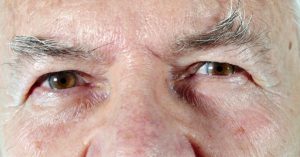
Can Lyme Disease Cause Jaundice?
Jaundice is a rare presentation
Bilirubin levels may be elevated
Tick exposure may be overlooked
Lyme should remain in the differential
Lyme disease jaundice is rare—but documented. Case reports suggest that hyperbilirubinemia may occur and should be considered in the differential diagnosis in patients with exposure risk. :contentReference[oaicite:0]{index=0}
Two published case reports explored this question and concluded that Lyme disease can present with jaundice, particularly when other common causes have been excluded.
Case 1: 39-Year-Old Man With Fever and Jaundice
Ahmed and colleagues described a 39-year-old man admitted with:
- Fever
- Jaundice
- Diffuse joint pain
- Nausea and headache
Laboratory testing showed:
- Elevated bilirubin
- Elevated creatinine
- Negative hepatitis A, B, and C testing
The patient did not recall a tick bite but had recently traveled to Connecticut, an endemic region.
After empiric doxycycline was started, Lyme disease was confirmed by Western blot testing.
The patient improved with treatment.
Case 2: 23-Year-Old Camper With Severe Jaundice
Baig and colleagues reported a 23-year-old man with:
- Severe jaundice
- Fever (102°F)
- Diffuse joint pain
- Yellowing of the eyes and skin
After other causes were ruled out, Lyme disease testing was performed:
- Positive ELISA
- Confirmed by Western blot
Following doxycycline treatment:
- Bilirubin levels steadily declined
This supported Lyme disease as the likely cause of jaundice.
Why Lyme Disease Jaundice Is Often Missed
Jaundice is not a typical presentation of Lyme disease.
This can lead to delayed recognition because:
- Clinicians prioritize more common liver conditions
- Tick exposure may not be recalled
- Early Lyme symptoms may have resolved
As a result, Lyme disease may not initially be considered.
For broader symptom patterns, see Lyme disease symptoms.
Clinical Implications
Both case reports emphasize an important point:
Lyme disease should be included in the differential diagnosis of unexplained jaundice in patients with exposure risk.
This is particularly relevant when:
- Common causes of liver disease are excluded
- The patient lives in or has traveled to an endemic area
- Systemic symptoms such as fever or joint pain are present
For diagnostic challenges, see Lyme disease testing and diagnosis.
Clinical Takeaway
Lyme disease jaundice is uncommon but clinically important.
Case reports confirm that hyperbilirubinemia can occur and may respond to antibiotic therapy.
When jaundice is unexplained, Lyme disease should remain part of the differential—especially in endemic regions.
Related Reading
- Gastrointestinal symptoms in Lyme disease
- Neurologic Lyme with abdominal pain
- Lyme disease and vision loss
References
Dr. Daniel Cameron, MD, MPH
Lyme disease clinician with over 30 years of experience and past president of ILADS.
Symptoms • Testing • Coinfections • Recovery • Pediatric • Prevention