Synovectomy for Lyme Arthritis: What Surgery Can—and Cannot—Do
Persistent knee swelling after Lyme arthritis treatment
What synovectomy addresses—and what it does not
Why symptoms beyond the joint require careful re-evaluation
Can Lyme arthritis require surgery? Some patients with persistent Lyme arthritis are advised to undergo synovectomy after antibiotic treatment fails to resolve knee swelling. Before deciding on surgery, it is important to understand what synovectomy can—and cannot—accomplish.
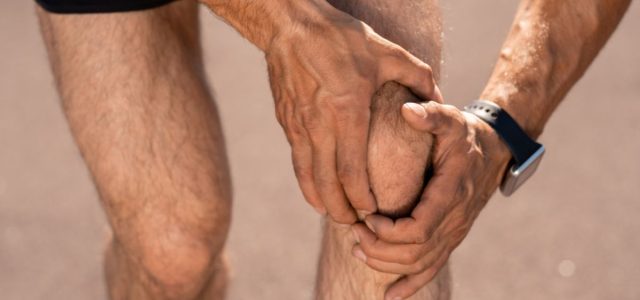
She had been ill for nearly two years when synovectomy for Lyme arthritis was recommended.
Her knee remained swollen, painful, and limiting despite treatment for Lyme arthritis. She had completed antibiotic therapy. When the swelling persisted, she was told the infection had been treated and what remained was inflammation.
Surgery was presented as the next step. The recommendation was based on the assumption that the remaining problem was confined to the knee.
What was not fully discussed was how limited the supporting evidence actually is.
What Synovectomy Does—and Does Not Do
A synovectomy removes inflamed synovial tissue, most commonly from the knee. In some inflammatory arthritides, this can reduce swelling and improve joint function.
In Lyme arthritis, synovectomy addresses inflammation within the affected joint. It does not treat Lyme disease outside the joint, and there is no evidence that it improves systemic manifestations such as fatigue, cognitive symptoms, or neurologic involvement.
The Evidence Supporting Synovectomy for Lyme Arthritis
The evidence supporting synovectomy for Lyme arthritis is narrow.
It rests primarily on a small case series published more than three decades ago involving patients with persistent knee effusions after antibiotic therapy. There are no large contemporary trials demonstrating that synovectomy alters the overall course of Lyme disease or improves systemic symptoms outside the affected joint.
This context should be part of informed consent—but often is not.
Symptoms Beyond the Joint
Although the treatment plan focused on her knee, her illness extended beyond a single joint.
She experienced fatigue, cognitive slowing, and generalized symptoms that did not fit neatly into a surgical framework. These symptoms were not addressed in surgical discussions, despite their impact on daily function.
What Happened Instead of Surgery
Instead of proceeding directly to surgery, she underwent further medical evaluation and was retreated.
Her improvement was gradual but meaningful. Over time, systemic symptoms eased and function improved despite the prolonged course and delayed intervention.
Clinical Experience With Complex Lyme Arthritis Cases
In my practice, I see patients who have been told their joint inflammation is purely post-infectious, even when systemic symptoms suggest a broader process.
Synovectomy may benefit carefully selected patients with truly isolated, antibiotic-refractory synovitis. However, when symptoms extend beyond the affected joint, a careful re-evaluation is warranted. In some cases, additional medical treatment may be more clinically appropriate than focusing solely on removal of inflamed synovial tissue.
The decision should be based on the whole patient, not just the inflamed joint.
What Was Missing From the Discussion
A complete informed consent discussion would have made clear that synovectomy is a procedure designed to reduce inflammation within an affected joint, not to treat Lyme disease itself.
Patients should understand that synovectomy has not been shown to improve symptoms outside the joint, such as fatigue, cognitive difficulties, or neurologic manifestations. Likewise, there is no evidence that the procedure changes the overall course of Lyme disease beyond its effect on local synovitis.
It also should be explained that the evidence supporting synovectomy for Lyme arthritis is limited. Recommendations are based largely on a small case series published more than three decades ago rather than contemporary randomized or comparative clinical trials.
Importantly, patients whose illness extends beyond a single joint should understand that additional medical evaluation—and, in selected cases, further medical treatment—may remain reasonable alternatives before proceeding with surgery.
Without this context—without an honest discussion of what is known, what remains uncertain, and what alternatives exist—patients cannot fully understand their choices. And without that understanding, informed consent cannot truly be considered complete.
Frequently Asked Questions
Can Lyme arthritis be cured without surgery?
Yes. Most patients with Lyme arthritis improve with appropriate antibiotic treatment alone. Synovectomy is generally reserved for carefully selected patients with persistent, antibiotic-refractory synovitis after medical therapy.
Does synovectomy cure Lyme disease?
No. Synovectomy removes inflamed synovial tissue from an affected joint but does not treat Lyme disease elsewhere in the body.
How strong is the evidence for synovectomy in Lyme arthritis?
The evidence is limited and is based primarily on a small case series published in 1991. Large contemporary randomized or comparative clinical trials are lacking.
Can synovectomy improve fatigue or neurologic symptoms from Lyme disease?
There is no evidence that synovectomy improves systemic manifestations such as fatigue, cognitive impairment, or neurologic symptoms. Its intended benefit is limited to reducing inflammation within the affected joint.
Clinical Takeaway
Most patients with Lyme arthritis recover with antibiotic treatment alone. A smaller subset may be considered for synovectomy because of persistent, antibiotic-refractory synovitis.
Because synovectomy is designed to treat inflammation within the affected joint rather than systemic illness, patients with symptoms extending beyond the knee deserve a careful re-evaluation before surgery is recommended.
Patients should understand both the potential benefits and the limitations of synovectomy so they can make a fully informed treatment decision.
Related Articles
Lyme Arthritis
Lyme Disease Treatment
Persistent Lyme Disease
Lyme Disease Symptoms
References
- Lochhead RB, et al. Post-infectious Lyme arthritis and immune-mediated synovitis. Clinical Reviews in Allergy & Immunology.
- Schoen RT, et al. Arthroscopic synovectomy in antibiotic-refractory Lyme arthritis. Arthritis & Rheumatism. 1991.
- Centers for Disease Control and Prevention. Signs and Symptoms of Untreated Lyme Disease.
Dr. Daniel Cameron, MD, MPH
Lyme disease clinician with over 30 years of experience and past president of ILADS.
Symptoms • Testing • Coinfections • Recovery • Pediatric • Prevention