Lyme Disease Testing and Diagnosis
Lyme Disease Test Accuracy: False Negatives and Clinical Diagnosis
Lyme disease test accuracy is a critical concern for patients and clinicians. Two-tier testing—the CDC-recommended approach—misses many genuine cases, particularly in early infection.
Patients with negative tests are often told they don’t have Lyme disease, even when clinical presentation clearly suggests otherwise.
For many patients, the challenge isn’t just having Lyme disease—it’s proving it. Test-based dismissal is one of the most common barriers to appropriate care.
This page explains how Lyme disease testing works, why false negatives occur, and when clinical diagnosis becomes essential.
For a broader framework of diagnostic uncertainty, see Why Lyme Disease Tests the Limits of Medicine.
Quick Answer: How Accurate Are Lyme Disease Tests?
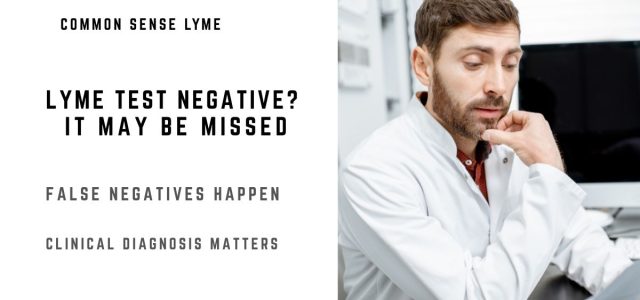
Standard two-tier Lyme disease testing (ELISA followed by Western blot) produces 30–50% false negatives in early infection and reduced sensitivity after antibiotic treatment or in later-stage disease.
These tests detect antibodies—not active infection—and may take weeks to become positive.
Clinical diagnosis based on symptoms and exposure history often supersedes laboratory results when testing is negative or inconclusive.
Key Testing Pathways
Understanding Lyme disease testing requires looking at several related clinical pathways:
- Why early Lyme tests may be negative
- Lyme disease misdiagnosis
- Common misconceptions about Lyme testing
- Delayed Lyme disease diagnosis
These pathways explain why laboratory results often do not match clinical presentation.
Understanding Lyme Disease Diagnosis
Lyme disease diagnosis cannot rely on laboratory testing alone. Tests must be interpreted within the broader clinical context, including symptom patterns and exposure risk.
Patients with negative tests often still have symptoms consistent with Lyme disease. See the Lyme disease symptoms guide for the full range of neurologic, cardiac, and systemic symptoms.
This mismatch between symptoms and testing contributes to delayed Lyme disease diagnosis.
Why Lyme Disease Testing Is So Problematic
Lyme disease tests detect antibodies, not the infection itself. Antibody production takes weeks to months, meaning early testing often returns false negatives.
These early testing limitations are explained further in Why Early Lyme Disease Tests May Be Negative.
The two-tier testing algorithm (ELISA followed by Western blot) was designed for surveillance—not diagnosis. It prioritizes specificity over sensitivity, deliberately accepting false negatives.
While this approach serves public health surveillance, it can fail individual patients.
Clinical diagnosis—based on symptoms, exposure history, and response to treatment—remains essential when laboratory results do not match clinical presentation.
Understanding Test Accuracy and Limitations
Standard Lyme disease tests have significant limitations. Understanding why tests fail helps patients and clinicians make better diagnostic decisions.
- How to Test for Lyme Disease: Beyond CDC Guidelines
- Immune Modulating Drug Affects Lyme Disease Test
- New Lyme Blood Test LymeSeek
- Cascade of Costly Tests
- Spinal Tap Leak and Lyme Disease
False Negatives and When to Treat Despite Negative Tests
Many patients with genuine Lyme disease test negative. Clinical diagnosis becomes essential when laboratory results do not match clinical presentation.
- Don’t Wait for a Positive Lyme Test
- Treated Despite Negative Test
- Negative Lyme Test Can Be Deadly
- Negative Lyme Test Podcast Case
Two-Tier Testing: ELISA and Western Blot Explained
The two-tier testing algorithm uses ELISA as a screening test, followed by Western blot for confirmation.
Both steps must be positive for diagnosis under CDC criteria, contributing to missed diagnoses.
Misdiagnosis and Delayed Diagnosis
Lyme disease is frequently misdiagnosed or diagnosis is significantly delayed. These failures often arise from overreliance on laboratory testing.
Learn more in Lyme disease misdiagnosis and delayed Lyme disease diagnosis.
Clinical Diagnosis and Seronegative Lyme Disease
Many patients have Lyme disease without positive antibody tests. Clinical diagnosis becomes essential in these situations.
This reflects a broader challenge in medicine: laboratory tests cannot reliably confirm or exclude Lyme disease in all stages of illness.
Co-infection Testing
Babesia, Bartonella, and Borrelia miyamotoi are common Lyme co-infections that require separate testing.
Learn more in Coinfections.
Tick Testing
Testing ticks for Lyme disease and co-infections can sometimes provide useful information, though limitations remain.
Pediatric Diagnosis
Diagnosing Lyme disease in children presents unique challenges due to different symptom patterns and testing limitations.
Clinical Takeaway
Two-tier Lyme disease testing produces high false-negative rates that can delay diagnosis and treatment in patients with genuine infection.
Clinicians must recognize testing limitations and prioritize clinical diagnosis based on symptoms, exposure history, and treatment response.
Frequently Asked Questions
Can Lyme disease tests be negative even when you have Lyme?
Yes. Two-tier testing frequently returns false negatives, particularly in early infection, after antibiotic treatment, or in disseminated disease.
What is two-tier testing?
Two-tier testing uses ELISA followed by Western blot and prioritizes specificity over sensitivity.
Can doctors diagnose Lyme disease without positive tests?
Yes. Clinical diagnosis is appropriate when symptoms and exposure history support Lyme disease despite negative tests.
Related Resources
Dr. Daniel Cameron, MD, MPH
Lyme disease clinician with over 30 years of experience and past president of ILADS.
Symptoms • Testing • Coinfections • Recovery • Pediatric • Prevention