Contact us at 914-666-4665

Dr. Daniel Cameron

Board-certified physician with 38+ years specializing in Lyme disease and tick-borne illnesses. Past President of ILADS (International Lyme and Associated Diseases Society) and first author of ILADS treatment guidelines. Dr. Cameron operates a solo practice focused on patient advocacy and evidence-based Lyme disease treatment. He is the author of 1,100+ articles spanning diagnosis, treatment, co-infections, and recovery from tick-borne illnesses. His work challenges conventional approaches that often leave patients undiagnosed or undertreated, emphasizing clinical judgment over rigid adherence to testing criteria that frequently produce false negatives.

Dr. Daniel Cameron
lyme disease misdiagnosed as conversion disorder in children symptoms

Lyme misdiagnosed as conversion disorder

Lyme Misdiagnosed as Conversion Disorder in Children Patient details have been modified to protect privacy. This case reflects patterns observed in clinical practice. Lyme misdiagnosed as conversion disorder occurs when neurologic or psychiatric symptoms caused by infection are attributed to psychological causes before infectious or inflammatory conditions have been fully evaluated. Lyme disease is the […]

Lyme misdiagnosed as conversion disorder Read More »

Lyme disease and IBS

Lyme Disease and IBS: When Symptoms Deserve a Second Look

Lyme Disease and IBS: When It’s Not Really IBS Quick Answer: IBS-like symptoms in Lyme disease are often caused by autonomic nervous system dysfunction—not a primary gastrointestinal disorder—even when tests are normal. Clinical Insight: IBS-like symptoms in Lyme disease often reflect autonomic nervous system dysfunction rather than a primary gastrointestinal disorder. The connection between Lyme

Lyme Disease and IBS: When Symptoms Deserve a Second Look Read More »

When a Teen’s Symptoms Don’t Match Lyme Disease

Teenage Lyme Disease: When Symptoms Don’t Match the Textbook

Teenage Lyme Disease: When Symptoms Don’t Match Teenage Lyme disease often looks nothing like the classic case doctors are trained to recognize. A 15-year-old student came to my office after months of headaches, fatigue, and joint pain. Her pediatrician had told her family, confidently, “Your symptoms don’t match Lyme.” But her symptoms began weeks after

Teenage Lyme Disease: When Symptoms Don’t Match the Textbook Read More »

The Chronic Lyme Disease Debate Explained

The Chronic Lyme Disease Debate Explained

The Chronic Lyme Disease Debate Explained For decades, patients with persistent symptoms after Lyme disease treatment have found themselves caught in the middle of the chronic Lyme disease debate. At the center of this debate is a single unresolved question: what explains ongoing illness after standard Lyme disease therapy? In clinical practice, I routinely see

The Chronic Lyme Disease Debate Explained Read More »

The Tsunami No One Saw Coming: Chronic Lyme Disease

Chronic Lyme Disease Crisis: A Public Health Emergency

The Chronic Lyme Disease Crisis: Why We Can’t Wait Chronic Lyme disease has quietly shifted from an isolated medical concern into a public health crisis, affecting individuals, families, and healthcare systems alike. We are not just seeing more Lyme disease cases—we are seeing more people who do not recover after standard treatment. Patients are getting

Chronic Lyme Disease Crisis: A Public Health Emergency Read More »

Too Cold for Ticks? Think Again — Lyme Risk Doesn’t Freeze

“It’s Too Cold for Ticks” — Why This Lyme Myth Is Dangerous

“It’s Too Cold for Ticks” — Why This Lyme Myth Is Dangerous When one of my patients developed Lyme disease symptoms in January, she was told, “It’s too cold for ticks — it can’t be Lyme.” That statement is one of the most common and dangerous Lyme disease misconceptions in tick-borne illness. The phrase “too

“It’s Too Cold for Ticks” — Why This Lyme Myth Is Dangerous Read More »

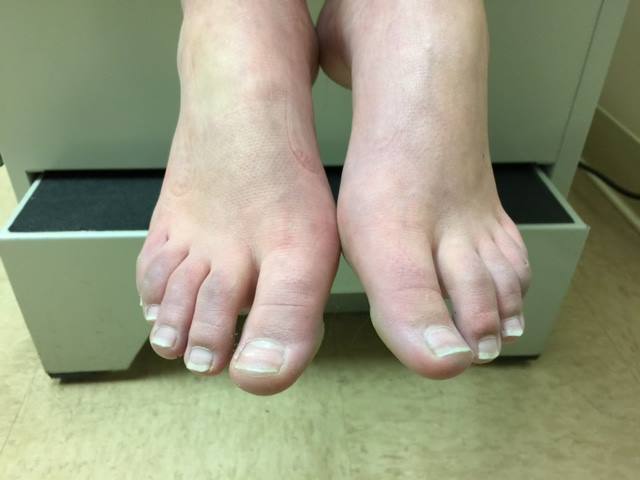
Why Extremities Become Cold, Mottled, or Discolored in Lyme Disease

Cold Hands and Lyme Disease: What’s Behind the Color Changes

Cold Hands in Lyme Disease: What’s Behind the Color Changes Cold hands in Lyme disease are a common but frequently missed symptom. A man with Lyme disease described episodes where his hands would become cold and turn pale or bluish, even while sitting indoors. Some days his fingers looked mottled and felt numb; other days

Cold Hands and Lyme Disease: What’s Behind the Color Changes Read More »

Lyme disease research funding

Lyme Disease Research Is Moving Too Slowly

Lyme Disease Underfunded: Why Research Is Still Too Slow Lyme disease is underfunded—and patients are paying the price. Every day, I work with people living with this illness. I see the pain, the confusion, the fatigue, the brain fog—the profound disruption Lyme disease causes in a person’s life. As a physician who has treated thousands

Lyme Disease Research Is Moving Too Slowly Read More »