
Contact us at 914-666-4665

Dr. Daniel Cameron

Board-certified physician with 38+ years specializing in Lyme disease and tick-borne illnesses. Past President of ILADS (International Lyme and Associated Diseases Society) and first author of ILADS treatment guidelines. Dr. Cameron operates a solo practice focused on patient advocacy and evidence-based Lyme disease treatment. He is the author of 1,100+ articles spanning diagnosis, treatment, co-infections, and recovery from tick-borne illnesses. His work challenges conventional approaches that often leave patients undiagnosed or undertreated, emphasizing clinical judgment over rigid adherence to testing criteria that frequently produce false negatives.

Dr. Daniel Cameron
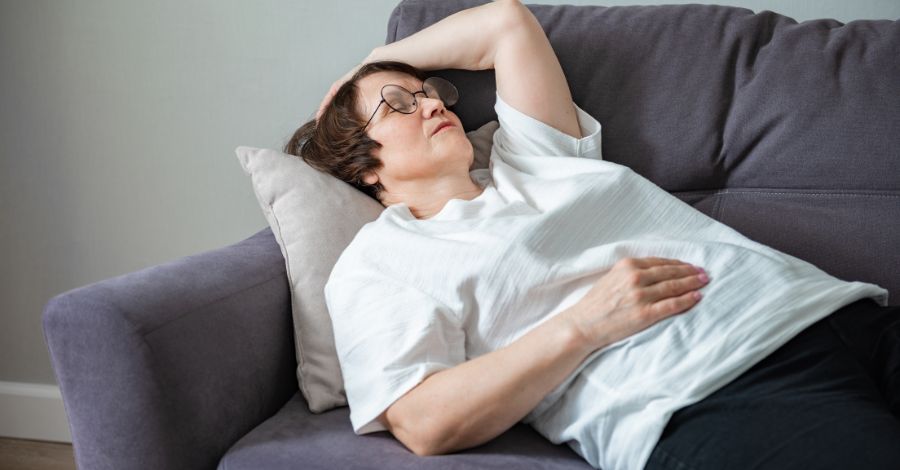
How to Exercise in Lyme Disease When You’re Homebound

How to Exercise in Lyme Disease When You’re Homebound

How to Exercise in Lyme Disease When You’re Homebound The Moment Everything Changed: Beginning Exercise in Lyme Disease My patient didn’t ask how to get back to running. She whispered, “I tried to do a little more… and now I can’t get off the couch.” Her experience is something I see often when patients try […]

How to Exercise in Lyme Disease When You’re Homebound Read More »

Lyme alcohol intolerance

Lyme Alcohol Intolerance: Why can’t I tolerate alcohol anymore?

Lyme Alcohol Intolerance: Why Can’t I Tolerate Alcohol Anymore? Many patients describe feeling foggy, overstimulated, shaky, or unsteady after drinking—not relaxed. This mismatch is one of the earliest signs that alcohol tolerance has changed in Lyme disease, and it reveals a nervous system struggling to operate within narrower limits. In my practice, I’ve learned to

Lyme Alcohol Intolerance: Why can’t I tolerate alcohol anymore? Read More »

Post-Exertional Malaise in Lyme Explained

Post-Exertional Malaise in Lyme Explained

Post-Exertional Malaise in Lyme Explained A Clinical Guide to Post-Exertional Malaise in Lyme Disease Patients often tell me they can complete a workout or a busy day without any immediate problem, only to crash hours later. This phenomenon—called post-exertional malaise Lyme patients frequently experience—is one of the most misunderstood patterns in post-infectious illness. Instead of

Post-Exertional Malaise in Lyme Explained Read More »

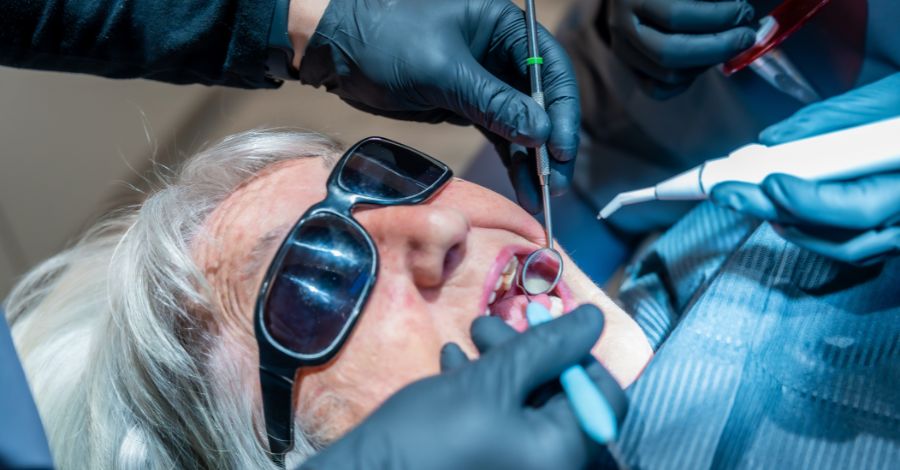
Black Teeth After Antibiotics in Lyme: A Case to Know

Black Teeth After Antibiotics in Lyme Disease: Causes and Reversible Solutions

Black Teeth After Antibiotics in Lyme Disease: Causes and Reversible Solutions A Case That Surprised Both Patient and Clinician One of my patients recently developed black teeth after taking antibiotics for Lyme disease. The discoloration appeared suddenly and was deeply alarming to her — dark streaks and patches that looked like severe decay or even

Black Teeth After Antibiotics in Lyme Disease: Causes and Reversible Solutions Read More »

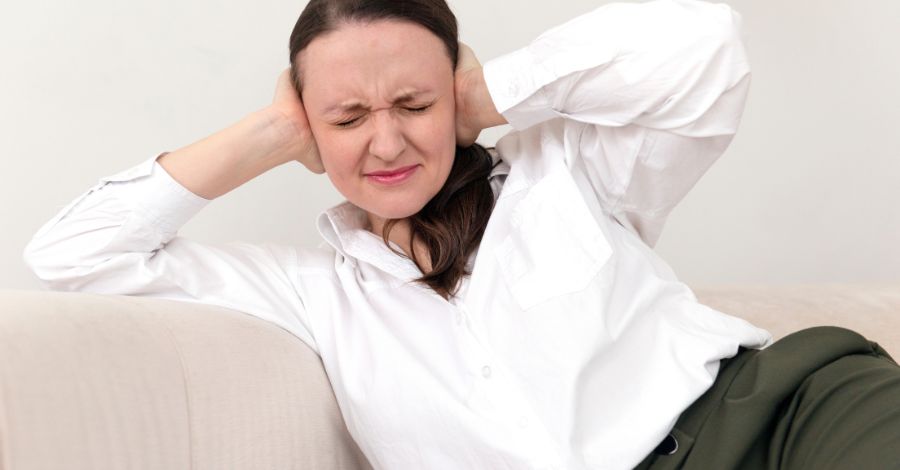
Why Am I So Sensitive to Light and Sound?

Why Am I So Sensitive to Light and Sound?

Why Am I So Sensitive to Light and Sound? Light feels sharper. Sound feels louder. Ordinary environments suddenly become overwhelming. For some Lyme disease patients, light sensitivity in Lyme disease and sound sensitivity are among the earliest and most disruptive neurologic symptoms. The brightness of kitchen lights may feel blinding, and the sound of a

Why Am I So Sensitive to Light and Sound? Read More »

Lyme tinnitus and ear fullness

Can Lyme Cause Tinnitus or Ear Fullness?

Can Lyme Cause Tinnitus or Ear Fullness? Patients often ask me whether Lyme disease can cause tinnitus or ear fullness. The answer is yes — Lyme tinnitus and ear fullness are well-recognized presentations. Many patients describe ringing or hissing sounds, fluctuating pressure, crackling sensations, a feeling of water trapped in the ear, distorted sound perception,

Can Lyme Cause Tinnitus or Ear Fullness? Read More »

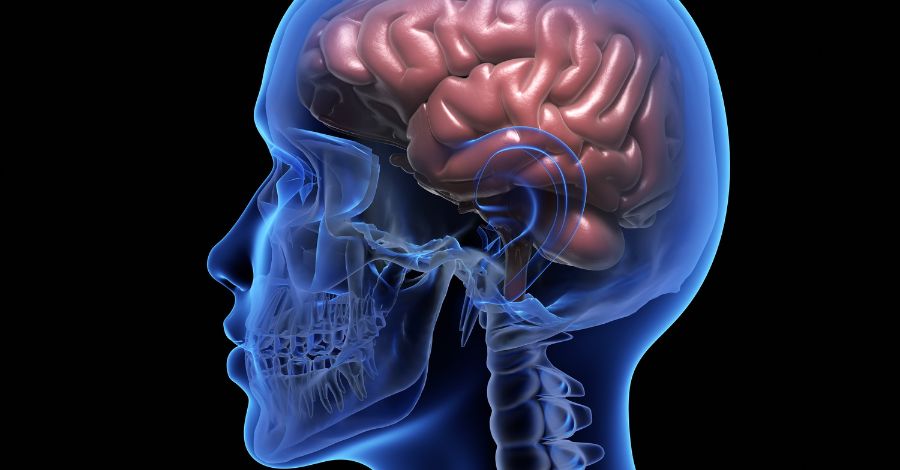
Brain Zaps and Internal Vibrations in Lyme Disease

Why do I get brain zaps or internal vibrations in Lyme

Why do I get brain zaps or internal vibrations in Lyme Quick Answer: Brain zaps and internal vibrations in Lyme disease are neurologic symptoms linked to central sensitization, autonomic dysfunction, and neuroinflammation. These sensations reflect altered nerve signaling—not anxiety—and often occur during flares or nervous system instability. The electrical jolts started without warning. Every few

Why do I get brain zaps or internal vibrations in Lyme Read More »

Can Lyme Disease Cause Bladder Pain or Urgency?

Can Lyme Disease Cause Bladder Pain or Urgency?

Can Lyme Disease Cause Bladder Pain or Urgency? Many patients come to me after months of bladder discomfort that no one can explain. They describe pelvic pressure, burning, or an overwhelming urge to urinate — yet every culture, scan, and exam has been normal. They tell me things like, “My bladder feels inflamed,” or “It

Can Lyme Disease Cause Bladder Pain or Urgency? Read More »

Post-Exertional Malaise in Lyme Disease: Why Pacing Matters

Post-Exertional Malaise in Lyme Disease: Why Pacing Matters

Post-Exertional Malaise in Lyme Disease: Why Pacing Matters Someof my patients recovering from Lyme disease describe a familiar pattern: they finally feel well enough to be active—maybe a short walk, a trip to the grocery store, an hour of work—then crash. The next day, fatigue deepens, pain flares, and concentration fades. This isn’t ordinary tiredness.

Post-Exertional Malaise in Lyme Disease: Why Pacing Matters Read More »