Contact us at 914-666-4665

Dr. Daniel Cameron

Dr. Daniel Cameron is a board-certified physician and epidemiologist specializing in Lyme disease and tick-borne illnesses. He is a past president of ILADS and has contributed to Lyme disease treatment guidelines, with a clinical focus on diagnosis, testing limitations, and complex cases.

Dr. Daniel Cameron
The Tsunami No One Saw Coming: Chronic Lyme Disease

Chronic Lyme Disease Crisis: A Public Health Emergency

The Chronic Lyme Disease Crisis: Why We Can’t Wait Chronic Lyme disease has quietly shifted from an isolated medical concern into a public health crisis, affecting individuals, families, and healthcare systems alike. We are not just seeing more Lyme disease cases—we are seeing more people who do not recover after standard treatment. Patients are getting

Chronic Lyme Disease Crisis: A Public Health Emergency Read More »

Too Cold for Ticks? Think Again — Lyme Risk Doesn’t Freeze

“It’s Too Cold for Ticks” — Why This Lyme Myth Is Dangerous

“It’s Too Cold for Ticks” — Why This Lyme Myth Is Dangerous When one of my patients developed Lyme disease symptoms in January, she was told, “It’s too cold for ticks — it can’t be Lyme.” That statement is one of the most common and dangerous Lyme disease misconceptions in tick-borne illness. The phrase “too

“It’s Too Cold for Ticks” — Why This Lyme Myth Is Dangerous Read More »

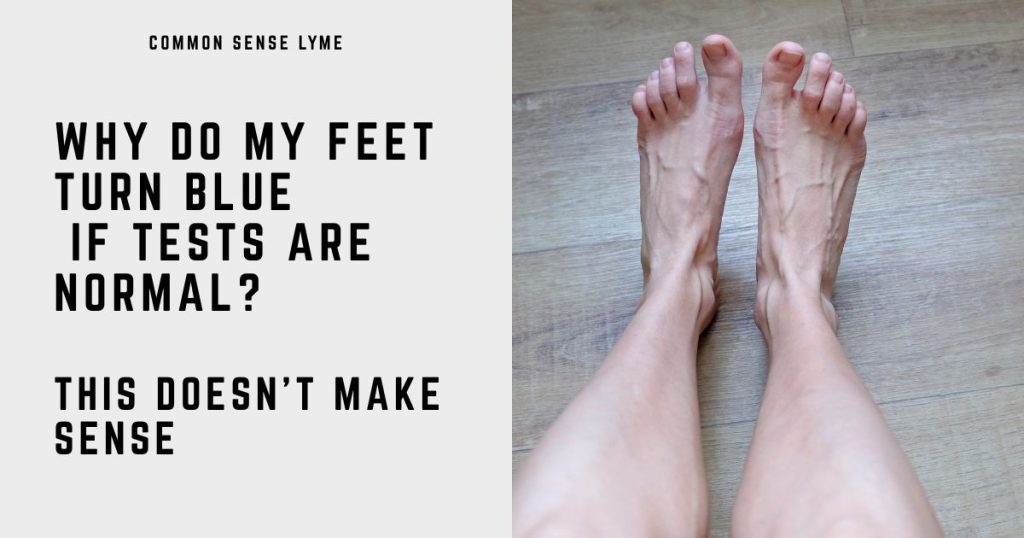
WHY DO MY FEET TURN BLUE IF TESTS ARE NORMAL

Blue Hands and Feet in Lyme Disease: Why They Turn Cold and Change Color

Blue Hands and Feet in Lyme Disease: Why They Turn Cold and Change Color Blue or discolored hands and feet in Lyme disease are a common but frequently missed symptom, often accompanied by coldness, numbness, or mottling. These symptoms are often described as “cold hands,” but the key clinical feature is color change—pale, bluish, or

Blue Hands and Feet in Lyme Disease: Why They Turn Cold and Change Color Read More »

Lyme disease research funding

Lyme Disease Underfunded: Why Research Is Still Too Slow

Lyme Disease Underfunded: Why Research Is Still Too Slow Diagnosis is still too slow Treatment is often delayed Research has not kept pace Patients continue to suffer Lyme disease is underfunded—and patients are paying the price. Every day, clinicians see the pain, confusion, fatigue, and brain fog that disrupt patients’ lives. Delays in diagnosis and

Lyme Disease Underfunded: Why Research Is Still Too Slow Read More »

When Lyme Patients Can’t Decide for Themselves

When Lyme Disease Patients Can’t Decide for Themselves

Lyme Disease and Decision Making: When Cognition Gets in the Way Brain fog can interfere with decision making Patients may appear indecisive—but are neurologically impaired Support, not pressure, is essential for care Not every challenge in Lyme disease is physical. One of the most overlooked problems is impaired decision making—when patients struggle to make choices

When Lyme Disease Patients Can’t Decide for Themselves Read More »

Lyme Disease Misconceptions That Contribute to Medical Dismissal

Lyme Disease Misconceptions That Contribute to Medical Dismissal

Lyme Disease Misconceptions That Contribute to Medical Dismissal Your symptoms don’t fit a clear pattern. Tests are normal—but you’re not better. This is where misconceptions can lead to dismissal. This page is a starting point for understanding why Lyme disease is often missed or dismissed. Lyme disease misconceptions continue to influence how patients are evaluated,

Lyme Disease Misconceptions That Contribute to Medical Dismissal Read More »

Chronic Lyme Disease Education Gap

Chronic Lyme Education Gap: Why Training Falls Short

Chronic Lyme Education Gap: Why Training Falls Short The Chronic Lyme Disease Education Gap: A Crisis in Training and Care The chronic Lyme disease education gap remains one of the most urgent yet underrecognized problems in modern medicine. Many clinicians are well trained to identify early Lyme disease, but far fewer are prepared to manage

Chronic Lyme Education Gap: Why Training Falls Short Read More »

Lyme Disease Myth: Cured in 30 Days?

Is Lyme Disease Curable? The 30-Day Cure Myth

Is Lyme Disease Curable? The 30-Day Cure Myth Lyme disease is treatable—but not always cured quickly. Some patients recover in weeks, others take longer. The “30-day cure” belief can lead to missed care. Lyme disease is treatable, and many patients recover after early antibiotic therapy. But Lyme disease is not always cured in 30 days.

Is Lyme Disease Curable? The 30-Day Cure Myth Read More »