Contact us at 914-666-4665

Dr. Daniel Cameron

Dr. Daniel Cameron is a board-certified physician and epidemiologist specializing in Lyme disease and tick-borne illnesses. He is a past president of ILADS and has contributed to Lyme disease treatment guidelines, with a clinical focus on diagnosis, testing limitations, and complex cases.

Dr. Daniel Cameron
DO YOU NEED PROBIOTICS WITH ANTIBIOTICS?

Should I Be Taking Probiotics While I’m on Antibiotics for Lyme?

Should I Be Taking Probiotics While I’m on Antibiotics for Lyme? As part of their treatment for Lyme disease, many patients are prescribed multiple rounds or combinations of antibiotics. At some point, they ask: “Will these antibiotics hurt my gut? Should I be taking probiotics too?” It’s a common question—and a smart one. The short […]

Should I Be Taking Probiotics While I’m on Antibiotics for Lyme? Read More »
DO YOU NEED A RASH FOR LYME DISEASE?

Forget the Rash: These Are the First Symptoms of Lyme Disease

Forget the Rash: These Are the First Symptoms of Lyme Disease What are the first symptoms of Lyme disease? Early Lyme disease symptoms often include severe fatigue, flu-like illness, brain fog, and migratory joint or muscle pain—frequently without a rash or known tick bite. Quick Answer: The first symptoms of Lyme disease may include fatigue,

Forget the Rash: These Are the First Symptoms of Lyme Disease Read More »

Herxheimer reaction newborn

Lyme disease triggers herxheimer reaction in infant

Fever After Lyme Treatment in a Newborn: Sepsis or Herxheimer Reaction? Quick Answer: Fever and clinical worsening after starting antibiotics in a newborn may signal sepsis—but in rare cases, it may be a Jarisch-Herxheimer reaction. Careful evaluation is critical. Clinical Insight: The timing and progression of symptoms can help distinguish a Herxheimer reaction from sepsis—but

Lyme disease triggers herxheimer reaction in infant Read More »

She Was Told To Wait. Then Told It Was PTLDS. But Her Lyme Infection Never Left.

She Was Told To Wait. Then Told It Was PTLDS. But Her Lyme Infection Never Left. Lyme disease triggers herxheimer reaction in infantA “wait and see” approach in managing Lyme disease can have long-lasting consequences, sometimes resulting in months or even years of unnecessary suffering. In this case, a woman was diagnosed with Post-Treatment Lyme

She Was Told To Wait. Then Told It Was PTLDS. But Her Lyme Infection Never Left. Read More »

STILL SICK AFTER MOLD TREATMENT

Mold Treatment and Lyme Disease: My Common-Sense Take

Mold Treatment and Lyme Disease: What Patients Need to Know Mold treatment and Lyme disease are often discussed together—but focusing on mold alone may miss the bigger problem. Many patients are told that mold toxicity is the primary cause of their symptoms. But in clinical practice, treating mold without addressing a persistent tick-borne infection rarely

Mold Treatment and Lyme Disease: My Common-Sense Take Read More »

Why I Treat Babesia Even if the Tests Are Negative

Babesia Negative Tests: Why Treatment May Still Be Needed

Babesia Negative Tests: Why Treatment May Still Be Needed TEST NEGATIVE—BUT STILL SYMPTOMS? COULD IT BE BABESIA? What does it mean when a Babesia test is negative—but symptoms persist? Quick Answer: Babesia tests can miss active infections. False negatives are common, and some patients improve with treatment despite negative results. Clinical Insight: When symptoms strongly

Babesia Negative Tests: Why Treatment May Still Be Needed Read More »

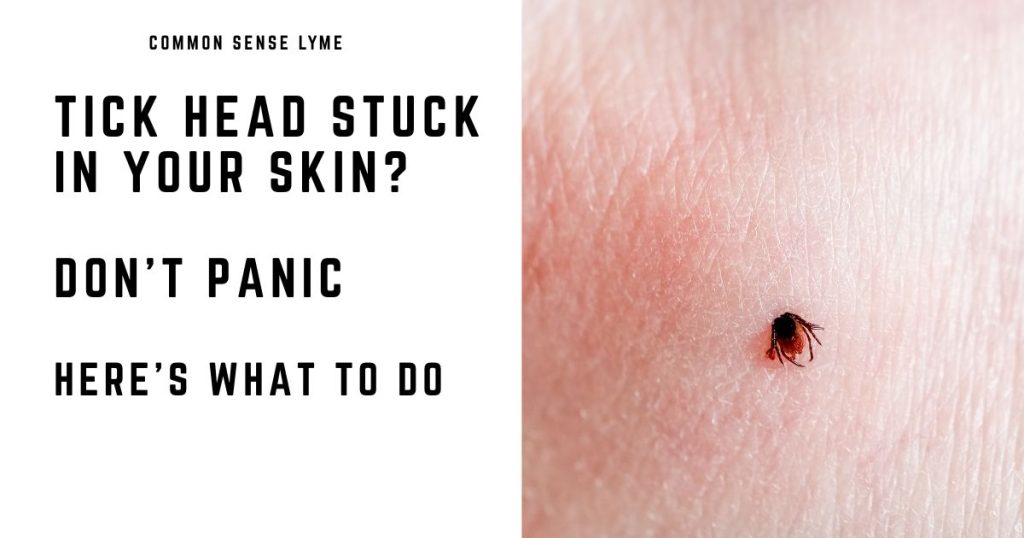
TICK HEAD STUCK IN YOUR SKIN

Tick Mouthparts Left in Skin: What to Do and Lyme Disease Risk

Tick Mouthparts Left in Skin: What to Do and Lyme Disease Risk Quick Answer: If a tick’s mouthparts stay in your skin, it usually does not increase the risk of Lyme disease. In most cases, the body will naturally push the material out over time without complications. This situation—tick mouthparts left in skin—is common after

Tick Mouthparts Left in Skin: What to Do and Lyme Disease Risk Read More »

SYMPTOMS WORSE AFTER LYME TREATMENT

Fear of a Herxheimer Reaction in Lyme Disease: What Patients Should Know

Fear of a Herxheimer Reaction in Lyme Disease: What Patients Should Know Fear of a Herxheimer reaction is common among patients beginning Lyme disease treatment. Many worry that worsening symptoms mean the treatment is harmful rather than part of the healing process. Fear of a Herxheimer reaction often arises when symptoms worsen after starting treatment,

Fear of a Herxheimer Reaction in Lyme Disease: What Patients Should Know Read More »

WHY DOES JOINT PAIN CONTINUE AFTER LYME (1)

Lyme Disease and Joint Pain: Is It Debris—or a Missed Persistent Infection?

Lyme Arthritis: Is Persistent Joint Pain Debris or Ongoing Infection? Can Lyme disease cause persistent joint pain after treatment? New research suggests the answer may be more complex than previously thought. For years, persistent joint inflammation after antibiotic treatment was believed to reflect an overactive immune response to leftover bacterial debris—not ongoing infection. But emerging

Lyme Disease and Joint Pain: Is It Debris—or a Missed Persistent Infection? Read More »