Herxheimer Reaction in Lyme Disease: Symptoms After Antibiotics Begin
A Herxheimer reaction may occur after Lyme disease treatment begins
Symptoms can temporarily worsen due to inflammation
Careful monitoring may be important during early treatment
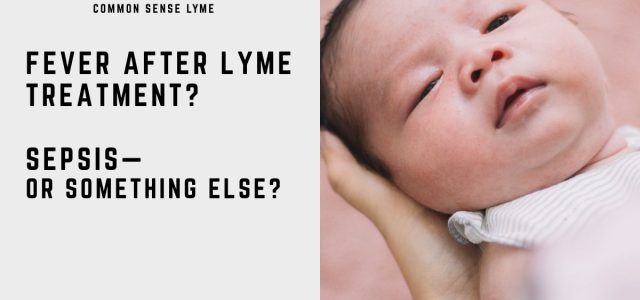
When a 21-day-old infant developed a fever and rapid heartbeat just hours after receiving antibiotics for Lyme disease, doctors were faced with a critical question: Was it sepsis—or something else? Could it possibly be a Herxheimer reaction?
This case highlights a rare but important phenomenon: a Herxheimer reaction can even occur in a newborn infant. Without careful observation, this response could easily be mistaken for a serious complication.
What is a Herxheimer reaction?
The Jarisch-Herxheimer reaction (JHR) is a temporary inflammatory response that can occur during antibiotic treatment for certain bacterial infections—especially those caused by spirochetes like Borrelia burgdorferi, the bacterium responsible for Lyme disease.
This reaction typically involves the sudden onset of new symptoms or worsening of existing symptoms shortly after beginning treatment.
Researchers believe the reaction may result from inflammatory immune responses triggered during bacterial die-off.
Common symptoms include:
- fever
- chills
- headache
- muscle and joint pain
- tachycardia
- worsening of pre-existing symptoms
A case of Herxheimer reaction in an infant
In a 2020 case report published in The Pediatric Infectious Disease Journal, Prodanuk and colleagues described a 21-day-old infant who presented with:
- poor feeding
- decreased activity
- abdominal distension
The infant also had an erythema migrans (EM) rash at the site of a recently removed engorged tick, leading clinicians to suspect early Lyme disease. Intravenous ceftriaxone was started.
Just two hours later, the infant developed:
- fever
- tachycardia
- general clinical deterioration
These symptoms were consistent with a Herxheimer reaction, prompting close monitoring.
The Lyme test was negative—but that is not unusual
In this case, Lyme testing returned negative—a result that may occur in early disease or in neonates whose immune systems are not mature enough to produce detectable antibodies.
This underscores an important point: Lyme disease is often a clinical diagnosis. Clinicians may not rely solely on laboratory testing when an EM rash and known tick exposure are present.
Recognizing Herxheimer reactions in newborns
Although rare, Herxheimer reactions can occur in infants, and recognition is important. Clinicians must differentiate this response from more serious complications such as sepsis or allergic reactions.
The reaction is typically self-limited and may resolve within hours to a day as treatment continues.
Important considerations include:
- newborns may be more vulnerable because of immature immune systems
- early Lyme disease can still trigger significant inflammatory responses
- monitoring and supportive care may be necessary during treatment
- antibiotics should not automatically be discontinued if a Herxheimer reaction is suspected
The science behind the reaction
Researchers continue to investigate the inflammatory pathways involved in the Jarisch-Herxheimer reaction.
Current evidence suggests inflammatory cytokines released during bacterial die-off may contribute to fever, tachycardia, pain, and worsening systemic symptoms.
In newborns, this immune response may appear sudden and severe but often improves with supportive management and continued monitoring.
Frequently Asked Questions
What is a Herxheimer reaction in Lyme disease?
A Herxheimer reaction is a temporary inflammatory response that may occur after antibiotics are started for Lyme disease.
Can Lyme disease symptoms worsen after antibiotics?
Yes. Some patients experience worsening fatigue, fever, pain, or neurologic symptoms shortly after treatment begins.
How long does a Herxheimer reaction last?
Most reactions are temporary and improve within hours to several days.
Can newborns develop a Herxheimer reaction?
Although uncommon, case reports show that Herxheimer reactions may occur in newborns treated for Lyme disease.
Does a negative Lyme test rule out Lyme disease?
No. Early Lyme disease testing may be negative, particularly in patients with recent infection or early erythema migrans rash.
Clinical Takeaway
A Herxheimer reaction in Lyme disease may temporarily worsen symptoms shortly after antibiotic treatment begins because of inflammatory immune activation.
Recognition of the Jarisch-Herxheimer reaction may help clinicians avoid misdiagnosis, unnecessary discontinuation of antibiotics, and confusion during early Lyme disease treatment.
Related Articles
These related articles explore Lyme disease diagnosis, neurologic symptoms, persistent illness, and recovery pathways.
Lyme Disease Symptoms Guide
Neurologic Lyme Disease
Delayed Lyme Disease Diagnosis
Recovery From Lyme Disease
Lyme Disease Misdiagnosis
References
- Prodanuk M, Kociolek LK, Binnicker MJ, et al. Lyme disease in a neonate complicated by the Jarisch-Herxheimer reaction. Pediatr Infect Dis J. 2020;39(4):e49-e50.
- Nykytyuk SO, Boyarchuk O, Klymnyuk S, Levenets S. The Jarisch-Herxheimer reaction associated with doxycycline in a patient with Lyme arthritis. Reumatologia. 2020;58(5):335-338.
Dr. Daniel Cameron, MD, MPH
Lyme disease clinician with over 30 years of experience and past president of ILADS.
Symptoms • Testing • Coinfections • Recovery • Pediatric • Prevention