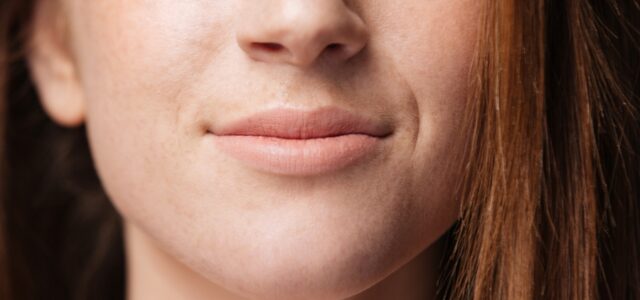
Nonflaccid Facial Palsy After Bell’s Palsy (15–30% Risk)
Nonflaccid Facial Palsy After Bell’s Palsy
Nonflaccid facial palsy (NFFP) is a complication that can develop after Bell’s palsy and other facial nerve injuries. Studies suggest that approximately 15–30% of patients with Bell’s palsy develop nonflaccid facial palsy.
Facial nerve palsy is also one of the most recognized neurologic manifestations of Lyme disease in endemic regions.
“Nonflaccid facial paralysis is a spectrum of hypokinetic and hyperkinetic movement,” wrote Markey and colleagues in the journal Otolaryngology. Hypokinetic movement refers to reduced movement, while hyperkinetic movement involves excessive or involuntary muscle activity.
Nonflaccid facial palsy refers to abnormal facial muscle movement that develops after the facial nerve begins to recover.
“Clinically, this manifests as contraction of the orbicularis oris muscle simultaneous with eye closure or blinking and/or contraction of the orbicularis oculi during speaking or chewing,” explains Rubin in the Handbook of Clinical Neurology. The orbicularis oris muscles encircle the mouth and control lip movement.
Clinical Features of Nonflaccid Facial Palsy
Patients affected by nonflaccid facial palsy often develop recognizable facial changes.
“Patients affected by NFFP often have a narrowed palpebral fissure, prominent and misoriented nasolabial fold, neck and facial tightness, and mentalis dimpling,” write Miller and colleagues in the journal Facial Plastic Surgery & Aesthetic Medicine.
These muscle changes can cause noticeable smile asymmetry and difficulty with facial expression.
A narrowed palpebral fissure refers to a reduced opening between the eyelids. The mentalis muscle is the muscle of the chin that affects movement of the lower lip.
Lyme Disease as a Cause of Nonflaccid Facial Palsy
Bell’s palsy can lead to NFFP in approximately 15–30% of patients, according to Miller. Other common causes of nonflaccid facial palsy include:
- Ramsay Hunt syndrome
- Acoustic neuroma surgery
- Lyme disease
- Facial trauma
- Autoimmune disease
Lyme disease is an important cause of Bell’s palsy in endemic regions. When Bell’s palsy is caused by Lyme disease, patients may later develop nonflaccid facial palsy as the facial nerve begins to recover.
Patients with NFFP may experience significant functional, aesthetic, psychological, and social impairments.
To view photos of patients with both flaccid and nonflaccid facial palsy, see “The spectrum of facial palsy: The MEEI facial palsy photo and video standard set.”
Treatment Options for Nonflaccid Facial Palsy
A variety of treatments are available for nonflaccid facial palsy depending on symptom severity.
- Physical therapy
- Muscle relaxants
- Facial massage
- Acupuncture
- Botox injections
- Myectomy
- Neurectomy
Treatment plans often involve a combination of therapies aimed at improving facial symmetry and reducing abnormal muscle activity.
Some patients may develop persistent symptoms after treatment, including facial nerve dysfunction.
Frequently Asked Questions
What is nonflaccid facial palsy?
Nonflaccid facial palsy (NFFP) is a condition involving abnormal facial muscle movements that occur after facial nerve injury. It includes both decreased movement and involuntary muscle contractions.
How common is nonflaccid facial palsy after Bell’s palsy?
Research suggests that about 15–30% of Bell’s palsy patients develop nonflaccid facial palsy.
Can Lyme disease cause nonflaccid facial palsy?
Yes. Lyme disease can cause facial nerve palsy, and some patients may later develop nonflaccid facial palsy as the nerve heals.
What are the symptoms of nonflaccid facial palsy?
Symptoms may include eye narrowing, facial tightness, chin dimpling, abnormal muscle contractions, and facial asymmetry.
How is nonflaccid facial palsy treated?
Treatment may include facial therapy, Botox injections, medications, and surgical procedures depending on symptom severity.
Clinical Takeaway
Nonflaccid facial palsy develops in approximately 15–30% of Bell’s palsy cases. When Lyme disease causes facial nerve paralysis, patients face the same risk of developing involuntary facial muscle movements during recovery.
The functional and social impact can be significant. Patients may struggle with eating, drinking, facial expression, and social interactions due to facial asymmetry.
In my clinical practice, I have seen how nonflaccid facial palsy affects patients with Lyme disease. These complications may require specialized management beyond antibiotic treatment, including facial therapy, Botox injections, or surgical interventions in severe cases.
Facial palsy is one of many neurologic symptoms discussed in the Lyme disease symptoms guide.
Early recognition of Lyme disease and appropriate antibiotic treatment may help reduce complications, although nonflaccid facial palsy can still develop during nerve recovery.
Related Reading
References
- Markey JD, Loyo M. Latest advances in the management of facial synkinesis. Curr Opin Otolaryngol Head Neck Surg. 2017;25(4):265-272.
- Rubin D. Normal and abnormal spontaneous activity. Handbook of Clinical Neurology. 2019.
- Miller MQ, Hadlock TA. Beyond Botox: Contemporary Management of Nonflaccid Facial Palsy. Facial Plast Surg Aesthet Med. 2020;22(2):65-70.
Dr. Daniel Cameron, MD, MPH
Lyme disease clinician with over 30 years of experience and past president of ILADS.
Symptoms • Testing • Coinfections • Recovery • Pediatric • Prevention



My mother and her friend got bit in the 1950’s by mosquitos in White Plains, NY…they both developed Bells Palsey soon after..my mothers doctor stuck a needle behind her ear back then. Must have been an antibiotic because it did go away. But it came back after having a baby in 1960! It went away forever since then. I believe I was born with it in 1967. My brothers were always healthy and dont seem affected though….but she has been completely out of her mind forever. I totally believe it’s been in her brain for 67 years.!
We need better tests to answer your questions.