Borrelia burgdorferi Activates Astrocytes: Implications for Neurologic Lyme Disease
Borrelia burgdorferi may affect the brain by triggering inflammatory responses in key support cells. Laboratory findings show that the bacterium can activate human astrocytes, raising questions about its role in neurologic Lyme disease.
This raises an important question: how does Borrelia burgdorferi affect brain function? Research suggests that astrocyte activation may contribute to inflammation and neurologic symptoms.
Astrocyte Activation in Laboratory Studies
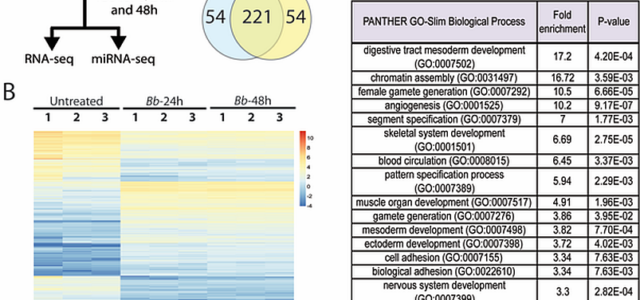
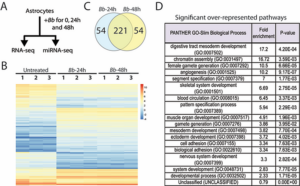
Researchers identified changes in gene expression within 48 hours of infecting cultured human astrocytes with Borrelia burgdorferi.
Casselli and colleagues reported that the astrocyte response may play a role in the inflammatory process seen in neuroborreliosis.
“If uncontrolled in the context of neuroborreliosis, the astrocyte response could lead to long-term injury in the central nervous system,” the authors noted.
Link to Neurocognitive Symptoms
The study provides insight into possible mechanisms underlying cognitive symptoms in Lyme disease.
Inflammatory responses to Borrelia burgdorferi or its components may contribute to neurologic dysfunction.
Supporting evidence includes elevated IFN-α levels in patients with persistent cognitive impairment and findings of neuronal injury when human glial cells are exposed to the bacterium.
Clinical Implications
These findings suggest that inflammation within the central nervous system may play a role in neurologic Lyme disease.
Understanding how these immune responses evolve over time may be important for developing future treatment strategies.
Patients with cognitive symptoms may benefit from review of Lyme disease symptoms, understanding testing limitations, and consideration of coinfections in persistent illness.
References
- Casselli T et al. Astrocyte transcriptome changes in Borrelia burgdorferi infection. PLoS One. 2017.
- Jacek E et al. IFN-alpha and cognitive impairment in Lyme disease. J Neuroimmunol. 2012.
- Parthasarathy G et al. Glial cell response to Borrelia burgdorferi. Neurosci Lett. 2013.
Dr. Daniel Cameron, MD, MPH
Lyme disease clinician with over 30 years of experience and past president of ILADS.
Symptoms • Testing • Coinfections • Recovery • Pediatric • Prevention



Do you know of any studies that have linked CNS cancers, especially in the astrocytes, with lyme and / or other tick borned diseases?
I have not seen any.
I have not seen any.
Do you know of any studies that have linked CNS cancers, especially in the astrocytes, with lyme and / or other tick borned diseases?