Central Sensitization in Lyme Disease: Why Pain and Sensory Input Feel Amplified
Pain signals may become amplified
Sensory input may feel overwhelming
Central sensitization may explain persistent symptoms
Many Lyme disease patients describe symptoms that extend beyond infection itself. Pain may feel disproportionate to examination findings. Light, sound, touch, and movement may become difficult to tolerate. These symptoms have led researchers to investigate whether central sensitization contributes to persistent symptom burden in some individuals.
Central sensitization refers to increased responsiveness within the nervous system, where pain pathways and sensory processing become amplified. Researchers have proposed that this process may contribute to persistent symptoms seen across several chronic conditions, including fibromyalgia, chronic pain syndromes, and potentially some patients with prolonged symptoms after Lyme disease.
What is central sensitization?
Central sensitization describes changes within the brain and spinal cord that increase responsiveness to incoming sensory signals. As the nervous system becomes more reactive, normal sensations may feel exaggerated.
Patients may describe:
- widespread pain
- heightened sensitivity to touch
- light sensitivity
- sound sensitivity
- temperature intolerance
- brain fog
- sleep disruption
- fatigue
- difficulty concentrating
These symptoms often overlap with findings described in brain fog in Lyme disease, autonomic dysfunction, and chronic Lyme disease pain.
Why does central sensitization amplify sensory input?
Central sensitization may increase how the nervous system processes incoming information. Normal sensations such as light touch, sound, odors, temperature changes, or movement may feel exaggerated because neural pathways become more reactive.
This amplification may contribute to symptoms including sensory overload, pain flares, dizziness, fatigue, light sensitivity, and difficulty processing complex environments.
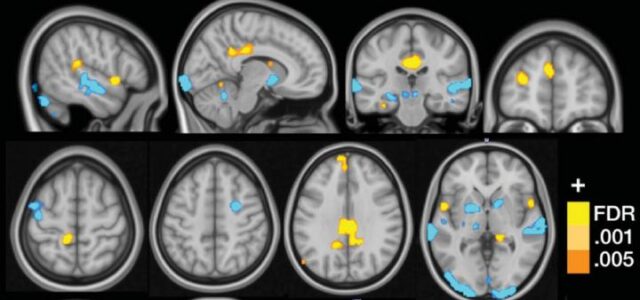
Can brain imaging measure exaggerated pain responses?
Researchers have used advanced imaging techniques to evaluate how the brain processes pain and sensory information in chronic illness.
Several studies have identified altered activation patterns in brain regions involved in pain processing, emotional regulation, and sensory integration. These findings suggest measurable changes may occur in how the nervous system processes incoming signals.
However, abnormal imaging findings are not specific to Lyme disease and have also been described in other chronic pain conditions.
Central sensitization and Lyme disease
Persistent infection, immune activation, autonomic dysfunction, poor sleep, chronic pain, and reduced activity levels have all been proposed as factors capable of driving central sensitization.
In clinical practice, some Lyme disease patients describe symptoms that appear disproportionate to objective findings. Others experience worsening symptoms from light touch, sounds, odors, temperature changes, or busy environments.
These observations do not prove central sensitization is the cause of symptoms, but they suggest altered sensory processing may contribute to illness burden in selected patients.
Conditions associated with central sensitization
Central sensitization has been studied in multiple chronic conditions including:
- fibromyalgia
- migraine disorders
- chronic fatigue syndrome
- irritable bowel syndrome
- temporomandibular disorders
- persistent pain syndromes
The overlap between these conditions and Lyme disease symptoms may complicate diagnosis and treatment decisions.
Clinical implications
If central sensitization contributes to symptoms, treatment approaches may extend beyond antimicrobial therapy alone.
Management approaches sometimes include:
- graded activity programs
- sleep optimization
- pain management strategies
- physical therapy
- addressing autonomic dysfunction
- reducing sensory overload triggers
These approaches are typically individualized based on symptoms and clinical context.
Frequently Asked Questions
Can Lyme disease cause central sensitization?
Some researchers propose persistent inflammation, pain, autonomic dysfunction, and prolonged illness may contribute to central sensitization in selected Lyme disease patients.
Why do sound and light become overwhelming?
Heightened sensory processing may amplify incoming signals, making normal environments feel uncomfortable or overwhelming.
Is central sensitization the same as fibromyalgia?
No. Central sensitization is a proposed mechanism that may occur across multiple conditions, including fibromyalgia and chronic pain disorders.
Can brain scans diagnose central sensitization?
Brain imaging studies may identify altered pain processing patterns, but imaging is not currently used as a routine diagnostic test.
Clinical Perspective
Many Lyme disease patients describe symptoms suggesting heightened sensory processing—pain from light touch, worsening symptoms in noisy environments, or difficulty tolerating visual stimulation. These experiences may reflect altered nervous system processing rather than structural injury alone.
Clinical Takeaway
Central sensitization may help explain why some Lyme disease patients experience amplified pain and sensory symptoms despite limited objective findings. Understanding altered sensory processing may broaden treatment discussions and improve symptom management strategies.
Related Articles
Brain fog and Lyme disease
Autonomic dysfunction and Lyme disease
Neurologic Lyme disease
Chronic Lyme disease pain
References:
-
- Batheja, S., et al., Post-treatment lyme syndrome and central sensitization. J Neuropsychiatry Clin Neurosci, 2013. 25(3): p. 176-86.
- Zimering, J.H., et al., Acute and chronic pain associated with Lyme borreliosis: clinical characteristics and pathophysiologic mechanisms. Pain, 2014. 155(8): p. 1435-8.
- Lopez-Sola, M., et al., Towards a neurophysiological signature for fibromyalgia. Pain, 2016.
- Glover, G.H., Overview of functional magnetic resonance imaging. Neurosurg Clin N Am, 2011. 22(2): p. 133-9, vii.
- Nijs J, George SZ, Clauw DJ, et al. Central sensitisation in chronic pain conditions: latest discoveries and their potential for precision medicine. Lancet Rheumatol. 2021;3(5):e383-e392,
Dr. Daniel Cameron, MD, MPH
Lyme disease clinician with over 30 years of experience and past president of ILADS.
Symptoms • Testing • Coinfections • Recovery • Pediatric • Prevention