
Contact us at 914-666-4665

Filter posts by category

Darlene edits

Why Lyme Disease Causes Joint Instability and Balance Problems

Lyme Disease Balance Problems and Joint Instability

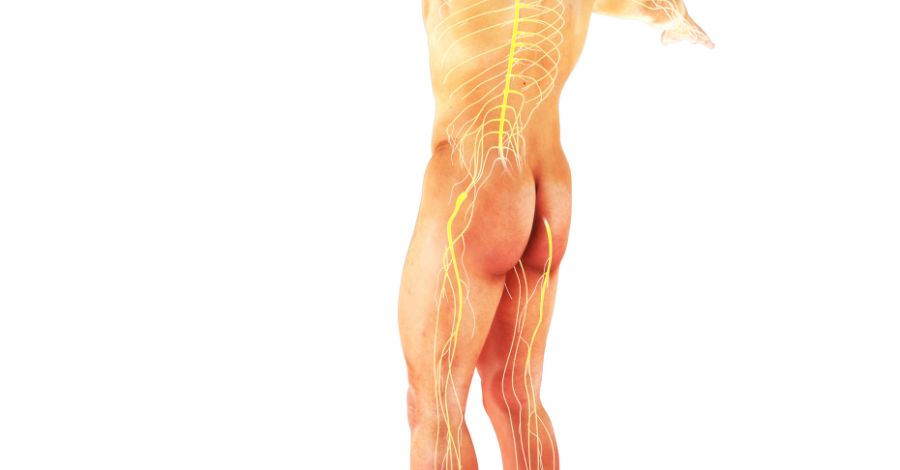
Lyme Disease Balance Problems and Joint Instability Many people with Lyme disease describe the same confusing experience: their joints don’t feel reliable. Knees may buckle, ankles feel loose, or hips seem unable to track smoothly during movement. At the same time, balance feels off — especially on uneven ground or in low light. These Lyme

Lyme Disease Balance Problems and Joint Instability Read More »

Lyme Autonomic Dysfunction: How Lyme Disease Disrupts the Autonomic Nervous System

How Lyme Disease Disrupts Autonomic Regulation

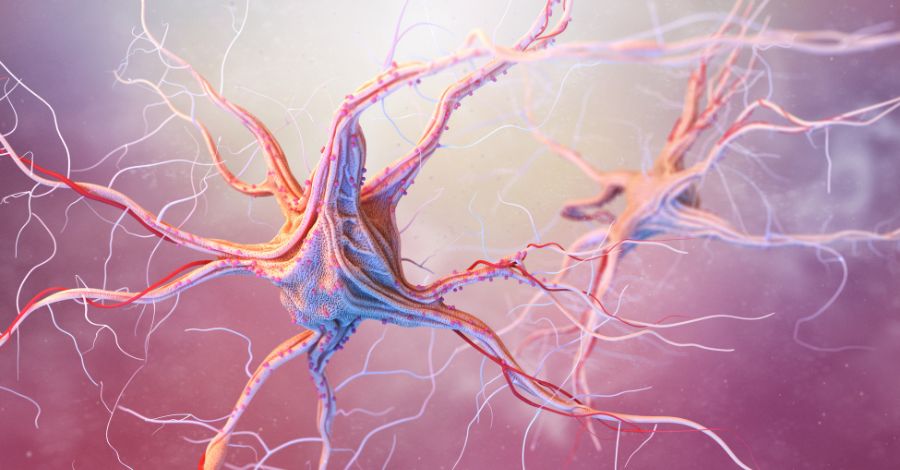
How Lyme Disease Disrupts Autonomic Regulation Many patients with Lyme disease report symptoms that feel disconnected and unpredictable—heart racing, dizziness, digestive slowing, anxiety-like sensations, and sudden crashes after stress or exertion. While these experiences are often grouped together under the term dysautonomia, the underlying physiology is frequently misunderstood. This article focuses on how Lyme disease

How Lyme Disease Disrupts Autonomic Regulation Read More »

POTS and Lyme Disease: Symptoms

Lyme Disease Psychiatric Symptoms: A Misdiagnosis Story

Lyme Disease Psychiatric Symptoms: A Misdiagnosis Story Lyme disease psychiatric symptoms are frequently mistaken for primary mental illness. This case illustrates how one patient’s anxiety, rage, OCD, and depression were traced back to an undiagnosed tick-borne infection—and how treatment changed everything. She came to me after eight months of worsening symptoms, including severe anxiety, episodes

Lyme Disease Psychiatric Symptoms: A Misdiagnosis Story Read More »

Where ticks live

Where Ticks Don’t Thrive

Where Ticks Don’t Thrive Ticks are resilient parasites that feed on the blood of animals and humans. Understanding where ticks live—and where they struggle to survive—can help reduce your risk of exposure. While ticks are well known for surviving in many environments, they are not invincible. Ticks have specific environmental needs, and knowing which settings

Where Ticks Don’t Thrive Read More »

post-treatment Lyme disease syndrome (PTLDS)

Understanding Persistent Lyme Disease Symptoms

Understanding Persistent Lyme Disease Symptoms Some patients recover quickly after Lyme disease treatment. Others continue to experience fatigue, cognitive slowing, joint pain, dizziness, or sleep disruption long after antibiotics are completed. When symptoms persist, patients are often left wondering: Why am I still sick? Persistent Lyme disease symptoms are often part of a broader clinical

Understanding Persistent Lyme Disease Symptoms Read More »