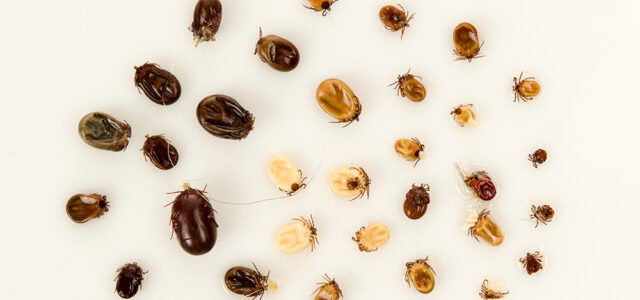
Lyme Disease Co-Infections: Symptoms, Testing, and Treatment
Lyme disease co-infections are common
Co-infections may worsen symptoms and delay recovery
Identifying co-infections can change treatment decisions
Lyme disease co-infections may complicate diagnosis, worsen symptoms, and alter treatment decisions. Patients diagnosed with Lyme disease may also carry additional infections transmitted through the same tick bite. In some studies, co-infections appear common enough that clinicians should consider them whenever symptoms seem unusually severe, prolonged, or atypical.
Tick-borne co-infections can change how patients present clinically. Some infections cause high fevers while others lead to night sweats, neurologic symptoms, air hunger, or worsening fatigue. Missing these infections may contribute to delayed improvement.
How Lyme Disease Co-Infections Affect Symptoms and Recovery
Patients with Lyme disease co-infections may experience a broader range of symptoms than Lyme disease alone. Symptoms may overlap significantly, making diagnosis more difficult.
Co-infections may contribute to:
- Greater fatigue and exercise intolerance
- More severe neurologic symptoms
- Persistent fevers or chills
- Autonomic dysfunction
- Longer recovery times
- More complicated treatment decisions
In clinical practice, co-infections should be considered when patients do not improve as expected or present with symptoms that extend beyond typical Lyme disease patterns.
Lyme Disease Co-Infection Symptoms
Lyme disease co infection symptoms vary depending on which organism is involved. Several infections have overlapping features while others create distinct symptom patterns.
- Night sweats and air hunger may suggest Babesia
- High fevers, low blood counts, or abnormal liver tests may suggest Anaplasma
- Neurologic symptoms, neuropathy, psychiatric symptoms, or severe pain may raise concern for Bartonella
- Fatigue and cognitive dysfunction may overlap across several infections
- Persistent symptoms despite treatment may warrant evaluation for additional infections
Because these symptoms overlap, clinicians may miss co-infections unless they specifically evaluate for them.
Which Tick-Borne Co-Infections Are Most Common?
Several organisms are commonly discussed alongside Lyme disease:
- Babesia — associated with sweats, fatigue, dizziness, and air hunger
- Anaplasma — associated with fever, low white counts, abnormal liver tests
- Bartonella — associated with neurologic symptoms, pain syndromes, psychiatric symptoms
- Ehrlichia — may resemble severe viral illness with fever and fatigue
Regional differences matter. Exposure risks vary depending on geography and travel history.
How Are Lyme Disease Co-Infections Tested?
Testing depends on the infection suspected. Available approaches may include:
- PCR testing
- Blood smear evaluation
- Serologic testing
- Clinical diagnosis based on symptoms and exposure history
No single testing strategy works for every infection. Timing, organism type, and previous treatment may influence results.
Why Missing Co-Infections Can Delay Recovery
Patients sometimes continue to experience symptoms despite Lyme treatment because additional infections remain unrecognized. Persistent symptoms do not automatically indicate co-infections, but failing to consider them may delay diagnosis and treatment.
Understanding co-infections may help explain why some patients experience more severe disease, more complex recovery patterns, or different treatment responses.
Frequently Asked Questions
What are symptoms of Lyme disease co-infections?
Symptoms can include fatigue, sweats, fevers, cognitive problems, air hunger, neuropathy, dizziness, and worsening illness despite Lyme treatment.
How are Lyme disease co-infections tested?
Testing may involve PCR testing, blood smear review, serology, or clinical assessment depending on the infection suspected.
Can one tick transmit more than one infection?
Yes. Ticks may carry multiple organisms simultaneously, increasing the possibility of co-transmission.
Do Lyme disease co-infections require different treatment?
Treatment strategies may differ depending on the infection identified and patient presentation.
Clinical Perspective
Co-infections are not rare exceptions. Considering Lyme disease co-infections may be important when symptoms seem unusually severe, recovery stalls, or clinical presentations do not fit classic Lyme patterns.
Clinical Takeaway
Lyme disease co-infections may influence symptoms, testing decisions, and recovery. Identifying these infections early may improve diagnostic accuracy and treatment planning.
Related Articles
Learn more about related conditions and symptoms:
Babesia and Lyme disease
Anaplasmosis overview
Tick-borne coinfections
Persistent Lyme disease symptoms
Air hunger and Lyme disease
References
- Diuk-Wasser MA, Vannier E, Krause PJ. Coinfection by Ixodes tick-borne pathogens: ecological, epidemiological, and clinical consequences. Trends Parasitol. 2016;32(1):30-42.
- Swanson SJ, Neitzel D, Reed KD, Belongia EA. Coinfections acquired from Ixodes ticks. Clin Microbiol Rev. 2006;19(4):708-727.
- Sanchez E, Vannier E, Wormser GP, Hu LT. Diagnosis, treatment, and prevention of Lyme disease, human granulocytic anaplasmosis, and babesiosis. JAMA. 2016;315(16):1767-1777.
Dr. Daniel Cameron, MD, MPH
Lyme disease clinician with over 30 years of experience and past president of ILADS.
Symptoms • Testing • Coinfections • Recovery • Pediatric • Prevention

Dear Dr Cameron
Despite tearing ahowing my daughter had Lyme and babesia the doctors refused anything other than a round of doxycycline. That cleared up some of the symptoms she had but not others. The doctors here are amazingly out to lunch on Lyme. Can you recommend a doctor as she has developed arthritis in her joints, fingers etc and has been tested for everything else. She need both drugs you recommend for both the babesia and left over Lyme syamtpoms.
You might find a doctor familiar with Babesia and other tick borne illnesses by contacting the Lyme Disease Association, Global Lyme Alliance and ILADS. You could also call my office in New York at 914 666 4665.
Thank you for the written and well referenced article. Nova Scotia is finally doing routine tests for Babesia and Anaplasma. The commonest species of Babesia in Canada is B. odecoilei. Deer are the reservoir and it can kill.