Sudden Personality Changes in Children: Could Lyme or Babesia Be Involved?
Sudden behavioral changes may follow infection.
Lyme disease and Babesia can affect the brain.
PANS-like symptoms deserve careful evaluation.
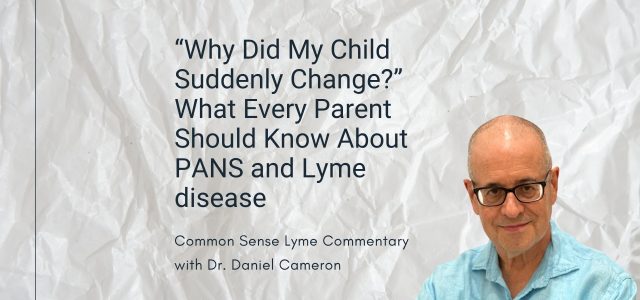
Some children appear to change almost overnight.
Parents may describe sudden anxiety, obsessive behaviors, rage episodes, panic attacks, sleep disturbance, or dramatic personality shifts that seem entirely out of character.
In some cases, these symptoms may overlap with infection-triggered inflammatory conditions involving Lyme disease, Babesia, or PANS-like syndromes.
Although psychiatric and behavioral symptoms can have many causes, clinicians are increasingly recognizing that immune activation and infection may contribute to neuropsychiatric symptoms in selected children.
When Symptoms Appear Suddenly
One of the most concerning patterns for families is abrupt behavioral or emotional change.
Parents may report that their child was functioning normally before suddenly developing:
- Severe anxiety
- Obsessive-compulsive behaviors
- Emotional outbursts
- Rage episodes
- Panic attacks
- Sleep disruption
- School refusal
- Cognitive decline
- Sensory sensitivity
- Depression
These symptoms can be frightening, especially when they emerge rapidly without a clear explanation.
Could Infection Play a Role?
Several infections have been associated with sudden neuropsychiatric symptoms in children.
PANS (Pediatric Acute-onset Neuropsychiatric Syndrome) describes a clinical pattern involving abrupt onset of obsessive-compulsive symptoms or severe eating restrictions accompanied by behavioral and neurologic changes.
While streptococcal infections are commonly discussed in PANDAS, other infections—including Lyme disease and tick-borne co-infections—have also been explored as possible triggers in some patients.
Learn more about overlapping infections in Lyme Coinfections.
Lyme Disease and Neuropsychiatric Symptoms
Lyme disease can affect the nervous system and may contribute to neurologic or psychiatric symptoms in selected patients.
Children with Lyme disease may experience:
- Brain fog
- Mood changes
- Anxiety
- Fatigue
- Headaches
- Difficulty concentrating
- Sleep problems
- Irritability
Because many of these symptoms overlap with psychiatric or developmental conditions, diagnosis may become challenging.
Learn more about overlapping neurologic symptoms in Neurologic Lyme Disease.
Babesia and Emotional Symptoms
Babesia is a malaria-like parasite transmitted by ticks that may accompany Lyme disease in some patients.
In addition to physical symptoms such as night sweats, air hunger, dizziness, and fatigue, some patients with Babesia report emotional or psychiatric symptoms including:
- Anxiety
- Panic sensations
- Emotional instability
- Sleep disruption
- Internal restlessness
Because Babesia symptoms can overlap with both anxiety disorders and Lyme disease itself, co-infections may complicate the clinical picture.
Learn more in Babesia and Lyme Disease.
Why These Cases Are Often Misdiagnosed
Children with sudden behavioral symptoms are often first evaluated for primary psychiatric, developmental, or behavioral conditions.
While many children do have primary psychiatric disorders, some families report that the abrupt timing, infectious history, or fluctuating symptom pattern suggested a broader medical evaluation was needed.
This overlap can contribute to delayed diagnosis and frustration for families seeking answers.
Learn more about diagnostic complexity in Lyme Disease Misdiagnosis.
Why a Careful Clinical Evaluation Matters
Not every child with anxiety, OCD, or emotional dysregulation has Lyme disease or PANS.
However, clinicians may consider infection-triggered inflammation when symptoms:
- Appear abruptly
- Fluctuate significantly
- Follow infection or tick exposure
- Occur alongside neurologic symptoms
- Include unexplained fatigue or physical symptoms
Careful evaluation may involve pediatricians, neurologists, infectious disease specialists, psychiatrists, psychologists, or other clinicians depending on the presentation.
Can Children Improve?
Some children improve substantially once contributing medical, neurologic, psychiatric, sleep, or inflammatory factors are identified and addressed.
Recovery may require a combination of:
- Medical treatment
- Behavioral support
- School accommodations
- Sleep management
- Mental health care
- Family support
Because presentations vary widely, treatment plans are often individualized.
Why Families Need Support
Families caring for children with sudden behavioral or neuropsychiatric symptoms often feel isolated and overwhelmed.
Parents may struggle when symptoms fluctuate or when others do not understand the severity of the changes.
Maintaining open communication, supportive care, and collaborative medical evaluation can help families navigate these complex situations.
Frequently Asked Questions
Can Lyme disease cause personality changes in children?
Some children with Lyme disease may develop neurologic or psychiatric symptoms including anxiety, mood changes, irritability, or cognitive difficulties.
What is PANS?
PANS stands for Pediatric Acute-onset Neuropsychiatric Syndrome and describes sudden onset of obsessive-compulsive symptoms or severe behavioral changes.
Can Babesia affect mood or anxiety?
Some patients with Babesia report anxiety, panic sensations, sleep disruption, or emotional instability alongside physical symptoms.
Are all sudden behavioral changes caused by infection?
No. Sudden behavioral symptoms can have many medical, psychiatric, neurologic, or developmental causes.
Why are these children sometimes misdiagnosed?
Symptoms often overlap with psychiatric, neurologic, developmental, and inflammatory conditions, making diagnosis challenging.
Clinical Takeaway
Sudden personality or behavioral changes in children may have many causes, including psychiatric, neurologic, inflammatory, or infectious conditions.
When symptoms appear abruptly—especially alongside fatigue, neurologic symptoms, or possible tick exposure—a careful and collaborative clinical evaluation may help identify contributing factors and guide appropriate care.
Related Articles
Learn more about pediatric presentations in Pediatric Lyme Disease.
Explore autonomic overlap in Autonomic Dysfunction in Lyme Disease.
Review broader symptom patterns in the Lyme Disease Symptoms Guide.
Explore persistent symptoms in Post-Treatment Lyme Disease Syndrome.
Learn more about recovery challenges in Recovery From Lyme Disease.
Dr. Daniel Cameron, MD, MPH
Lyme disease clinician with over 30 years of experience and past president of ILADS.
Symptoms • Testing • Coinfections • Recovery • Pediatric • Prevention