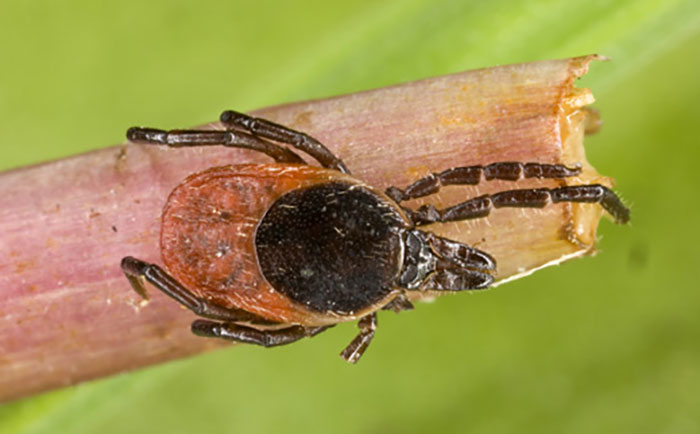
Lyme disease is a bacterial infection typically transmitted through the bite of an infected tick. It is one of the fastest growing infectious diseases in the country, and the steadily increasing number of cases has led many in the medical/scientific community and legislative arena to deem the disease a “public health crisis” and “epidemic.”
Transmitted through tick bite
Lyme disease is a bacterial infection typically transmitted through the bite of an infected tick
If diagnosed in its early stage, Lyme disease can be easily treated with antibiotics. But, delayed diagnoses can make treatment and recovery more difficult.
Ten times higher than reported
The Centers for Disease Control and Prevention (CDC) estimate that at least 300,000 people in the United States are infected with Lyme disease each year. That figure is ten times higher than what had been previously reported by the CDC. Experts in the field believe the actual number is even higher.
“We know that routine surveillance only gives us part of the picture, and that the true number of illnesses is much greater.” ─ Paul Mead, M.D., M.P.H, chief of epidemiology and surveillance for CDC’s Lyme disease program.
How You Get Lyme Disease
Tick Bite
Bodily Fluids
Blood Transfusions
Breast Feeding
Pregnancy
“In epidemiology, every time you have a surveillance system, you always have at least a tenfold underreporting. There have been studies that show it (Lyme disease) might be as much as 40 times that number.” ─ Daniel Cameron, M.D., M.P.H.
Who Can Get Lyme Disease
Anyone can become infected with Lyme disease. But, the highest number of reported cases in the U.S. occurs among children 5 – 14 years old and adults 45 – 54 years old.
A person does not develop immunity to the disease and can become re-infected. The highest infection rates in the Northeast occur in the June, July and August.
The majority of cases occur in the Northeast, and Upper Midwest, according to the CDC. But cases of Lyme disease have been reported in all 50 states, indicating that it may be more widespread. Physicians in other states are less likely to report cases because the official view is that Lyme disease is rare and geographically restricted.
There is no vaccine to prevent Lyme disease in humans. A vaccine, LYMERix, developed by SmithKline Beecham (now GlaxoSmithKline) was taken off the market in 2002.