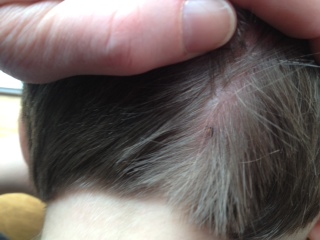
Tick Bite Risk in Children and Older Adults: New Hampshire Study Findings
Tick bites affect all age groups, but young children and older adults may be at higher risk of seeking care and experiencing complications. A study from New Hampshire highlights age-related patterns in tick bite encounters.
More than 10,359 tick bite encounters were documented across 25 acute care hospitals in New Hampshire between 2010 and 2014, with participation from nearly all hospitals in the state.
According to Daly from the Bureau of Infectious Disease Control, New Hampshire Department of Health and Human Services, 6% of tick bite-related emergency department encounters occurred in children age 5 and under, and 22% occurred in adults age 65 years and older. Males accounted for 58% of encounters.
Higher Risk in Children and Older Adults
Children and older adults were more likely to be evaluated in the emergency department. These groups may also be more difficult to diagnose if they develop an atypical rash or non-classic manifestations of Lyme disease.
The authors emphasized the importance of both provider and patient education. Emergency department data can help guide targeted education efforts, including timely distribution of evidence-based materials and training programs.
Prevention and Early Treatment Considerations
It may be appropriate to inform patients that a single 200 mg dose of doxycycline can prevent the development of an erythema migrans rash in some cases, but it has not been shown to prevent other manifestations of Lyme disease or co-infections.
Patients and caregivers may benefit from review of Lyme disease symptoms, consideration of testing accuracy, and awareness of coinfections.
Related Reading
Neuropsychiatric presentations of Lyme disease in children and adolescents
References
- Daly ER, Fredette C, Mathewson AA, Dufault K, Swenson DJ, Chan BP. Tick bite and Lyme disease-related emergency department encounters in New Hampshire, 2010-2014. Zoonoses Public Health. 2017.
Dr. Daniel Cameron, MD, MPH
Lyme disease clinician with over 30 years of experience and past president of ILADS.
Symptoms • Testing • Coinfections • Recovery • Pediatric • Prevention



I have Lyme disease and my daughter has been bitten by 3 ticks. Is there proof that the tick has to be latched on for 24 hours in order to pass the virus? I do not want my daughter to suffer through all that I have gone through and the primary care physician will not prescribe her an antibiotic until after the test comes back from the tick. Super frustrating!
The 24 to 36 hour rule is based in part on tick attachment studies from dogs. These studies support removing the tick ASAP. The studies under 24 hours leave some questions for future studies. There are also infections in a tick that are transmitted in less than a day. Stay tuned. Until then, your doctor will have to review the entire story.