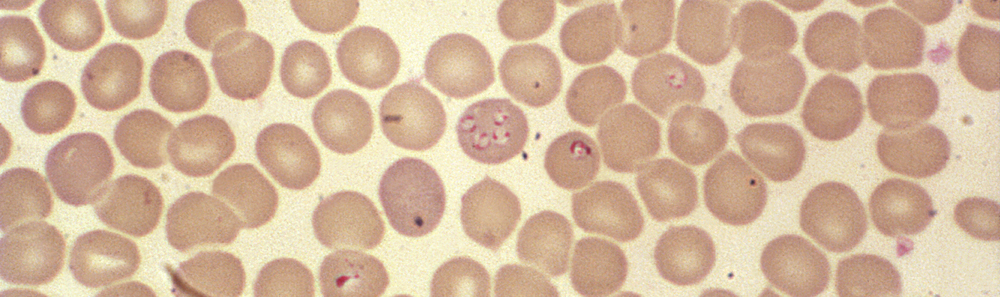
Babesia in Dutchess County: Now the #2 Tick-Borne Illness
Babesia cases are rising across tick-endemic regions
Coinfections may worsen symptoms and recovery
A single tick bite can spread more than Lyme disease
Babesia in Dutchess County, New York is now the second most common tick-borne illness behind Lyme disease. Coinfection with Babesia and Lyme disease has been associated with greater symptom severity and a longer duration of illness—and the two pathogens were found together more often than expected.
Over 6% of questing nymphal ticks in Dutchess County were infected with the pathogens that cause both babesiosis and Lyme disease. Researchers found 83% more coinfection with Babesia microti and Borrelia burgdorferi than predicted by chance alone.
Why Babesia in Dutchess County Matters
Patients diagnosed with Lyme disease may continue to struggle if a second infection is overlooked. Coinfections can complicate symptoms, prolong recovery, and require different treatment approaches.
Standard Lyme disease treatments such as doxycycline or amoxicillin do not treat Babesia. Symptomatic babesiosis generally requires a combination directed at the parasite, most commonly atovaquone plus azithromycin. Clindamycin plus quinine is another established regimen, although treatment decisions depend on illness severity and individual patient factors.
The findings underscore why coinfections may complicate illness and require distinct treatment strategies. Because B. microti and B. burgdorferi frequently coexist, clinicians should consider both when evaluating patients with possible tick-borne disease.
Patients with more severe illness, incomplete recovery, or persistent Lyme disease symptoms may warrant evaluation for overlapping infections.
Why Coinfections Matter
Babesia may contribute to more severe or prolonged illness in some patients. Patients in Dutchess County and throughout the Hudson Valley should recognize that a single tick may carry and potentially transmit multiple pathogens.
Recognizing Babesia early may reduce delays in diagnosis and improve treatment decisions when patients are not responding as expected.
Frequently Asked Questions
Can one tick bite spread Babesia and Lyme disease?
Yes. An infected blacklegged tick can carry and potentially transmit both Babesia microti and Borrelia burgdorferi.
Will doxycycline treat Babesia?
No. Doxycycline does not treat Babesia. Symptomatic babesiosis generally requires a combination directed at the parasite.
Who should consider Babesia evaluation?
Patients with persistent symptoms, more severe illness, or incomplete recovery after Lyme disease treatment may warrant further evaluation.
Why can Babesia be missed?
Symptoms may overlap with Lyme disease, and clinicians may focus on one infection while overlooking another.
Does Babesia always cause severe symptoms?
No. Some infections are asymptomatic or cause mild symptoms, while others result in more severe or prolonged illness.
Clinical Takeaway
Babesia is increasingly important in Dutchess County and across the Hudson Valley.
When symptoms are more severe than expected—or recovery stalls—coinfections should remain on the differential diagnosis.
Related Articles
Learn more about Babesia and overlapping infections:
Lyme disease misdiagnosis
Babesia Hudson Valley: Cases Explode 16-Fold
Neurologic Lyme disease
Delayed Lyme disease diagnosis
Persistent Lyme disease symptoms
References
- Hersh MH, Ostfeld RS, McHenry DJ, et al. Co-infection of blacklegged ticks with Babesia microti and Borrelia burgdorferi is higher than expected and acquired from small mammal hosts. PLoS One. 2014;9(6):e99348.
- Krause PJ, Telford SR 3rd, Spielman A, et al. Concurrent Lyme disease and babesiosis: Evidence for increased severity and duration of illness. JAMA. 1996;275(21):1657-1660.
Dr. Daniel Cameron, MD, MPH
Lyme disease clinician with over 30 years of experience and past president of ILADS.
Symptoms • Testing • Coinfections • Recovery • Pediatric • Prevention