Lyme Disease Treatment: Antibiotics, Recovery, and Persistent Symptoms
Lyme disease treatment often begins with antibiotics
Some patients recover quickly while others develop persistent symptoms
Coinfections, inflammation, and nervous system dysfunction may complicate recovery
Lyme disease treatment depends on the stage of illness, symptom severity, duration of infection, and whether additional tick-borne infections are present.
Many patients diagnosed early recover fully after antibiotic treatment. Others improve more gradually. Some patients continue to experience fatigue, pain, cognitive problems, dizziness, sleep disruption, or autonomic symptoms after initial therapy.
These persistent symptoms may involve overlapping factors including inflammation, immune dysregulation, coinfections, nervous system dysfunction, or delayed diagnosis.
Because Lyme disease varies widely between patients, treatment plans are often individualized rather than one-size-fits-all.
How Lyme Disease Is Treated
Early Lyme disease is commonly treated with oral antibiotics. The choice of medication may depend on age, allergies, pregnancy status, neurologic involvement, and other clinical factors.
Common antibiotics used in Lyme disease treatment may include:
- Doxycycline
- Amoxicillin
- Cefuroxime
- Azithromycin in selected situations
More advanced neurologic, cardiac, or complicated cases may occasionally require intravenous antibiotics or more intensive monitoring.
Why Some Lyme Disease Symptoms Persist
Some patients continue to experience symptoms after standard Lyme disease treatment. Persistent symptoms may include:
- Fatigue
- Brain fog
- Joint or muscle pain
- Dizziness or autonomic symptoms
- Sleep disruption
- Exercise intolerance
A 2023 review in Frontiers in Medicine noted that persistent symptoms after Lyme disease may involve overlapping mechanisms including immune dysregulation, inflammation, tissue injury, autonomic dysfunction, and possibly persistent infection in selected cases.1
Recovery is not always linear. Some patients improve steadily, while others experience flares or delayed recovery requiring reassessment.
Coinfections May Affect Lyme Disease Treatment
Ticks may carry more than one infection. Coinfections such as Babesia, Bartonella, ehrlichiosis, or anaplasmosis may complicate Lyme disease treatment and recovery.
Doxycycline alone may not fully address symptoms if additional infections are contributing to illness.
Clinicians may consider evaluating for Lyme disease coinfections when patients report:
- Drenching sweats
- Air hunger
- Persistent fevers
- Neurologic symptoms
- Poor recovery despite treatment
Medication Tolerance and Follow-Up Matter
Lyme disease treatment often requires ongoing reassessment. Side effects, medication intolerance, gastrointestinal symptoms, allergic reactions, or Herxheimer reactions may interfere with treatment adherence.
Simple follow-up questions may uncover important barriers:
“Are symptoms improving?”
“Are side effects interfering with treatment?”
Regular follow-up visits may help clinicians adjust medications, monitor laboratory findings, reassess symptoms, and identify complications early.
Dysautonomia and Nervous System Symptoms
Some patients with persistent Lyme disease symptoms may develop autonomic dysfunction, exercise intolerance, palpitations, dizziness, temperature sensitivity, or post-exertional crashes.
Clinicians may consider evaluating for dysautonomia in Lyme disease when symptoms suggest nervous system involvement.
Supportive treatment approaches including hydration, pacing, sleep optimization, salt intake, and symptom management may improve function and quality of life in selected patients.
Guideline Differences in Lyme Disease Treatment
The Infectious Diseases Society of America (IDSA) and the International Lyme and Associated Diseases Society (ILADS) have published different evidence-based approaches to Lyme disease treatment.
IDSA guidelines generally recommend shorter antibiotic courses for most patients, while ILADS guidelines recognize that some patients with persistent or disseminated illness may require individualized treatment decisions and closer follow-up.
Clinical judgment remains important because Lyme disease presentations, treatment response, and recovery patterns vary significantly between patients.
Can Patients Recover From Persistent Lyme Disease?
Many patients recover fully after Lyme disease treatment, particularly when diagnosed early.
Others improve gradually over time with supportive care, rehabilitation, symptom management, treatment of coinfections, sleep optimization, autonomic support, and careful follow-up.
Recovery may depend on identifying the factors continuing to drive symptoms rather than focusing on one mechanism alone.
For some patients, hearing “I believe you” may help restore trust and improve engagement in care after prolonged illness.
Frequently Asked Questions
What is the treatment for Lyme disease?
Lyme disease treatment commonly includes antibiotics such as doxycycline, amoxicillin, or cefuroxime. Treatment may vary depending on symptom severity, neurologic involvement, coinfections, and stage of illness.
What antibiotics are used for Lyme disease?
Common antibiotics used for Lyme disease include doxycycline, amoxicillin, cefuroxime, azithromycin, and intravenous ceftriaxone in selected neurologic or cardiac cases.
Can Lyme disease symptoms persist after treatment?
Yes. Some patients continue to experience fatigue, pain, brain fog, autonomic symptoms, or sleep problems after initial treatment.
Do coinfections affect Lyme disease treatment?
Yes. Babesia, Bartonella, ehrlichiosis, and other coinfections may complicate Lyme disease recovery and may require additional evaluation or treatment approaches.
Can patients recover from persistent Lyme disease?
Many patients improve over time through individualized treatment, supportive care, rehabilitation, symptom management, and treatment of overlapping contributing factors.
Clinical Takeaway
Lyme disease treatment is rarely identical for every patient. While many individuals recover fully after early antibiotic therapy, others may require additional evaluation for coinfections, autonomic dysfunction, inflammation, or persistent symptoms.
Careful follow-up, individualized treatment planning, and recognition of overlapping contributors may improve recovery and long-term quality of life.
Understanding why symptoms persist may be just as important as choosing the initial antibiotic treatment itself.
Related Articles
These related articles explore persistent Lyme disease, coinfections, nervous system symptoms, and individualized treatment approaches.
Post-Treatment Lyme Disease Syndrome
Delayed Lyme Disease Diagnosis
Babesia and Lyme Disease
Lyme Disease Symptoms Guide
Best Treatment for Lyme Disease
References
- Adkison H, Embers ME. Lyme disease and the pursuit of a clinical cure. Front Med (Lausanne). 2023;10:1183344.
- Infectious Diseases Society of America. Clinical Practice Guidelines for Lyme Disease.
- Cameron DJ, Johnson LB, Maloney EL. Evidence assessments and guideline recommendations in Lyme disease: the clinical management of known tick bites, erythema migrans rashes and persistent disease. Expert Rev Anti Infect Ther. 2014;12(9):1103-1135.
Dr. Daniel Cameron, MD, MPH
Lyme disease clinician with over 30 years of experience and past president of ILADS.
Symptoms • Testing • Coinfections • Recovery • Pediatric • Prevention
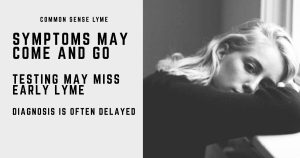

After I got a tick bite I had blood work done in 2020 and told me I was all set with good results of Lyme disease. I was tired and and in pain for awhile on and off , so covid came and I waited till 2022 to have the test again and it came back with a positive result of Lyme and I got the red bullseye’s all over, now I’m waiting to get in for my doctor appointment. They missed some of the results in 2020 ,it showed present for Lyme
I typically look again at tick borne illnesses even the symptoms are initially dismissed. I would also advise my patients to be reevaluated if they have a new rash. All the best.
Positive for Lyme disease