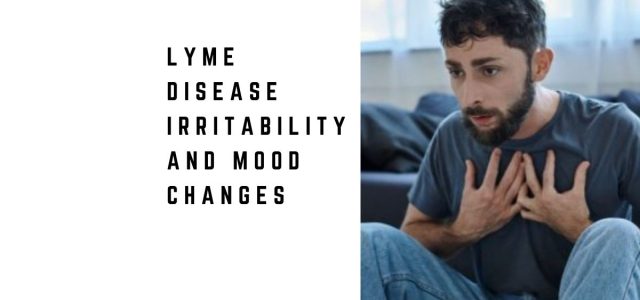
Can Lyme Disease Change Your Personality?
Lyme disease may affect mood and personality.
Inflammation and sleep disruption may contribute.
Many patients improve with appropriate treatment.
Lyme disease personality changes may include irritability, mood swings, emotional reactivity, anxiety, behavioral changes, and feeling unlike your usual self. These symptoms are often associated with neurologic involvement, inflammation, autonomic dysfunction, and sleep disruption.
Many patients with Lyme disease describe more than physical symptoms. They may report becoming short-tempered, emotionally reactive, easily overwhelmed, or less tolerant of stress than before they became ill.
These symptoms can be distressing for both patients and families because they often appear gradually and may be mistaken for primary psychiatric conditions. In some cases, emotional symptoms occur alongside fatigue, brain fog, sleep disturbances, dizziness, pain, and other manifestations of neurologic Lyme disease.
Personality changes, irritability, and mood swings in Lyme disease are often linked to inflammation and sleep disruption—not simply stress or personality traits.
Can Lyme Disease Change Your Personality?
Some patients report personality changes during the course of Lyme disease. Family members may notice that an individual becomes more irritable, emotionally sensitive, impatient, withdrawn, or reactive than before.
These changes do not necessarily represent a permanent personality shift. Instead, they may reflect the effects of illness on the brain, nervous system, sleep quality, and emotional regulation. Similar symptoms may also occur in some individuals with persistent Lyme disease, where ongoing symptoms remain an area of active investigation.
A 2024 scoping review found that patients with long-standing Lyme disease reported neuropsychiatric symptoms including mood swings, anxiety, depression, aggression, irritability, and extreme anger. The authors also noted that delayed diagnosis may contribute to greater symptom severity.
Lyme Disease Irritability, Mood Swings, and Personality Changes
Patients commonly describe:
- Feeling easily annoyed or frustrated
- Low tolerance for stress or stimulation
- Overreacting to minor frustrations
- Feeling emotionally overwhelmed
- Mood swings throughout the day
- Feeling unlike their usual personality
- Increased sensitivity to noise or activity
Some individuals experience emotional lability, where irritability alternates with sadness, anxiety, tearfulness, or emotional exhaustion.
These symptoms may fluctuate over time and often parallel the pattern seen in Lyme symptoms that come and go.
Why Lyme Disease May Affect Mood, Behavior, and Emotional Symptoms
Several mechanisms have been proposed to explain mood changes in Lyme disease.
- Neuroinflammation affecting emotional regulation pathways
- Autonomic nervous system dysfunction
- Cytokine-mediated changes in brain signaling
- Sleep disruption and non-restorative sleep
- Chronic pain and fatigue
Bransfield reviewed evidence suggesting that inflammatory cytokines, sleep dysfunction, and immune-mediated mechanisms may contribute to irritability, impulsiveness, hostility, emotional symptoms, and cognitive dysfunction in Lyme disease and other tick-borne illnesses.
Sleep may play an especially important role. Patients with Lyme disease sleep disorders often report worsening irritability, mood instability, and difficulty coping with everyday stressors.
These emotional symptoms frequently overlap with Lyme disease fatigue, where exhaustion further impairs emotional resilience.
Many of these symptoms also overlap with neuropsychiatric Lyme disease, where inflammation affects both cognitive and emotional function.
Lyme Disease Mood Swings and Emotional Reactivity
Mood swings are among the most commonly reported neuropsychiatric symptoms in Lyme disease.
Patients may experience:
- Irritability followed by fatigue
- Anxiety followed by emotional exhaustion
- Periods of emotional stability alternating with symptom flares
- Unexpected anger or frustration
- Difficulty regulating emotional responses
These symptoms may occur independently or alongside cognitive symptoms such as brain fog, concentration difficulties, and memory complaints.
A 2025 literature review reported that some studies found associations between Lyme disease and depression, anxiety, sleep disturbances, and cognitive complaints, while other studies reported more mixed findings. The authors emphasized the importance of early diagnosis and treatment to reduce long-term complications.
Lyme Disease Personality Changes vs Anxiety or Depression
Because these symptoms overlap with primary psychiatric disorders, clinicians often face the challenge of distinguishing Lyme disease from anxiety, depression, or other mental health conditions. The presence of neurologic or systemic symptoms and the overall clinical context can help guide the evaluation.
Irritability and mood changes are sometimes attributed solely to anxiety or depression.
However, several features may suggest a medical contributor:
- Sudden onset after tick exposure or infection
- No prior psychiatric history
- Fluctuating symptoms
- Associated fatigue, pain, dizziness, or brain fog
- Concurrent neurologic symptoms
These symptoms are part of the broader spectrum of neuropsychiatric Lyme disease, where infection-related and immune-mediated processes may affect emotional as well as cognitive function.
Some patients describe severe irritability or emotional reactivity as “Lyme rage,” although symptoms can range from mild frustration to significant mood changes. These episodes often fluctuate with other neurologic symptoms rather than remaining constant.
How Personality Changes Affect Daily Life
Emotional symptoms can affect relationships, work performance, school performance, and quality of life. Patients often report feeling misunderstood because others may notice behavioral changes before they understand the medical cause.
Family members may observe irritability, impatience, withdrawal, or emotional sensitivity without recognizing that these symptoms may be associated with Lyme disease.
Recognizing these symptoms as part of a broader neurologic illness can help guide evaluation and support.
Frequently Asked Questions
Can Lyme disease change your personality?
Some patients report becoming more irritable, emotionally reactive, anxious, or withdrawn during Lyme disease. These changes are often related to neurologic and systemic symptoms rather than permanent personality changes.
Can Lyme disease cause mood swings?
Yes. Mood swings are frequently reported and may occur alongside fatigue, brain fog, sleep disturbances, and autonomic dysfunction.
Can Lyme disease make you angry?
Some patients describe episodes of unusual irritability, frustration, or anger—sometimes referred to informally as “Lyme rage.” These symptoms may occur alongside fatigue, sleep disturbance, autonomic dysfunction, cognitive problems, and other neurologic manifestations. Not every patient experiences these symptoms, and other medical or psychiatric conditions should also be considered.
What is Lyme rage?
Some patients use the term “Lyme rage” to describe episodes of intense irritability, anger, or emotional reactivity associated with Lyme disease symptoms.
Can inflammation affect mood?
Research suggests inflammatory signaling may contribute to emotional symptoms, fatigue, sleep disturbance, and cognitive complaints in some patients with Lyme disease.
Do mood symptoms improve?
Many patients report improvement when contributing factors such as infection, sleep disruption, autonomic dysfunction, and inflammation are addressed.
Clinical Takeaway
Personality changes, irritability, and mood swings are commonly reported by patients with Lyme disease and other tick-borne illnesses. These symptoms are often accompanied by fatigue, sleep disruption, cognitive complaints, dizziness, pain, and autonomic dysfunction.
Although emotional symptoms can resemble primary psychiatric conditions, clinicians should consider Lyme disease in the appropriate clinical setting when mood changes occur alongside neurologic or systemic symptoms, particularly after possible tick exposure.
Patients may describe these symptoms as irritability, mood swings, Lyme rage, personality changes, or emotional reactivity. Recognizing this pattern may help guide evaluation, reduce the risk of misdiagnosis, and support appropriate treatment and recovery.
Related Articles
Persistent Lyme Disease Overview
Lyme Disease Misdiagnosis
Autonomic Dysfunction and Lyme Disease
Brain Fog and Anxiety in Lyme Disease
References
- Bransfield RC. The Psychoimmunology of Lyme/Tick-Borne Diseases and its Association with Neuropsychiatric Symptoms. Open Neurol J. 2012;6:88-93.
- Brackett M, Potts J, Meihofer A, et al. Neuropsychiatric Manifestations and Cognitive Decline in Patients With Long-Standing Lyme Disease: A Scoping Review. Cureus. 2024;16(4):e58308.
- Šegždaitė G, Aliukonytė O, Pociūtė K. Neuropsychiatric Manifestations of Lyme Disease: A Literature Review of Psychiatric and Cognitive Impacts. Acta Med Litu. 2025;32(1):6-21.
Dr. Daniel Cameron, MD, MPH
Lyme disease clinician with over 30 years of experience and past president of ILADS.
Symptoms • Testing • Coinfections • Recovery • Pediatric • Prevention