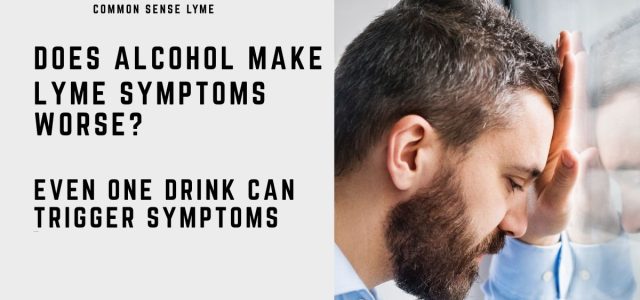
Does Alcohol Make Lyme Disease Symptoms Worse?
Does alcohol make Lyme disease symptoms worse?
Many patients notice the same pattern: even one drink can trigger brain fog, fatigue, heart palpitations, poor sleep, or sudden emotional shifts.
If your symptoms return after “just one drink,” you’re not imagining it.
This isn’t a judgment. It’s physiology.
Lyme disease disrupts brain, immune, and autonomic function. Alcohol adds fuel to that fire—making it an important consideration during Lyme disease recovery.
How Does Alcohol Worsen Lyme Symptoms?
Lyme disease is not limited to joints or nerves. It can disrupt the brain, immune system, sleep regulation, and the body’s automatic functions.
That’s why alcohol often worsens symptoms. For a body already sensitized by Lyme disease, this reaction is not unusual—it is expected.
Typical reactions include:
- Brain fog the next morning
- Unrestful sleep
- Worsened fatigue
- Heightened irritability or anxiety
- Rapid heartbeat or flushing
- Headache or muscle tightness
Did You Know?
Alcohol interferes with sleep, immune balance, and neurologic recovery—all areas already impaired in Lyme disease.
Alcohol-Induced Symptoms Often Appear Hours Later
Many patients do not realize alcohol is triggering Lyme symptom flares because the reaction is frequently delayed.
A drink at dinner may lead to symptoms later that night or the next morning.
Even low-level drinking may:
- Disrupt REM sleep cycles
- Amplify systemic inflammation
- Increase neurologic sensitivity
- Cloud your ability to assess treatment response
Patients often assume worsening symptoms are caused by stress, relapse, or overexertion—when alcohol may quietly be contributing to the setback.
No Alcohol While Healing From Lyme: A Reasoned Clinical Approach
The goal is usually no alcohol—at least during active recovery.
That does not necessarily mean forever. But when the nervous system and immune system remain inflamed or dysregulated, removing alcohol may provide:
- More stable energy
- Better sleep
- Fewer emotional crashes
- A clearer symptom baseline
- More predictable treatment response
If symptoms reappear after reintroducing alcohol, that information becomes clinically useful.
The decision becomes informed—not accidental.
Assessing Alcohol-Related Lyme Flares
Many Lyme patients are only told to avoid alcohol while taking medications such as doxycycline or metronidazole.
But alcohol’s effects go far beyond medication interactions.
These are the questions I often ask patients:
- Do symptoms worsen the day after drinking—even one glass?
- Is sleep quality worse after alcohol?
- Have you tried a 2–3 week alcohol-free trial to look for patterns?
These simple observations often lead to meaningful insights and symptom improvement.
Alcohol and Lyme Flares: What To Do
If alcohol may be contributing to symptom flares during Lyme recovery:
- Pause alcohol for 2–3 weeks
- Track symptoms the day after drinking
- Try alcohol-free alternatives
- Be gentle with yourself—awareness is progress
- Reintroduce slowly only when your baseline is stable
Clinical Takeaway
Alcohol can make Lyme disease symptoms worse—even one drink may trigger brain fog, fatigue, palpitations, anxiety, and poor sleep.
The reaction is often delayed, making the connection easy to miss.
For many patients, avoiding alcohol during active recovery improves sleep, energy stability, emotional regulation, and treatment clarity.
Sometimes the simplest physiologic stressors create the biggest setbacks.
Frequently Asked Questions
Does alcohol make Lyme disease symptoms worse?
Yes. Even small amounts of alcohol may worsen brain fog, fatigue, palpitations, poor sleep, headaches, and anxiety.
Why does alcohol worsen Lyme symptoms?
Alcohol disrupts sleep, increases inflammation, impairs neurologic recovery, and destabilizes immune regulation—all systems already affected in Lyme disease.
Can alcohol trigger Lyme flares the next day?
Yes. Many patients experience delayed reactions hours later or the following morning.
Should I stop drinking alcohol during Lyme treatment?
Many clinicians recommend avoiding alcohol during active recovery to reduce physiologic stress and improve treatment assessment.
Have You Experienced Alcohol-Triggered Lyme Flares?
Have you noticed alcohol worsening Lyme symptoms during recovery?
You are not alone. Share your experience below.
Related Reading
Lyme Disease Recovery: What Patients Need to Know
Lyme Alcohol Intolerance: Why Can’t I Tolerate Alcohol Anymore?
Resources:
- CDC. Lyme Disease Treatment
- Daniel Cameron, MD. Alcohol and Lyme Disease: When One Drink Hurts
- Daniel Cameron, MD. Feb 04 What does a Lyme flare-up feel like? Ask the Lyme Doc.
- Global Lyme Alliance. Can You Drink Alcohol with Lyme Disease?
Dr. Daniel Cameron, MD, MPH
Lyme disease clinician with over 30 years of experience and past president of ILADS.
Symptoms • Testing • Coinfections • Recovery • Pediatric • Prevention

Why arent providers held accountable? They are required to answer questions when they are certifying to become doctors but when they are doctors they are allowed to refuse treatment for Lymes Disease. My husband was mistreated and died becauae doctors would not treat his Lymes.
I was shocked to learn that alcohol will make Lyme Disease Symptoms worse. I have been struggling with Lyme for years now and I am amazed ( & pleasantly surprised) by the new information I find on your site. I wish there were more Lyme Literate Drs in Connecticut.