
Contact us at 914-666-4665

Dr. Daniel Cameron

Board-certified physician with 38+ years specializing in Lyme disease and tick-borne illnesses. Past President of ILADS (International Lyme and Associated Diseases Society) and first author of ILADS treatment guidelines. Dr. Cameron operates a solo practice focused on patient advocacy and evidence-based Lyme disease treatment. He is the author of 1,100+ articles spanning diagnosis, treatment, co-infections, and recovery from tick-borne illnesses. His work challenges conventional approaches that often leave patients undiagnosed or undertreated, emphasizing clinical judgment over rigid adherence to testing criteria that frequently produce false negatives.

Dr. Daniel Cameron

Risk Factors for Chronic Lyme Disease

Risk Factors for Chronic Lyme Disease While many people treated for Lyme disease recover completely, a significant number develop chronic Lyme disease with persistent symptoms that continue long after standard antibiotics. These patients often report having ongoing fatigue, pain, sleep disturbance, neurological changes, and emotional strain that disrupts their lives. Understanding the risk factors for […]

Risk Factors for Chronic Lyme Disease Read More »

Low-Dose Naltrexone for Lyme: What We Know (and Don’t)

Low-Dose Naltrexone for Lyme: What We Know (and Don’t)

Low-Dose Naltrexone for Lyme: What We Know (and Don’t) Low-dose naltrexone (LDN) has gained growing attention as a potential supportive therapy for people with chronic Lyme disease and persistent symptoms that may not fully resolve with antibiotics. Originally developed as a treatment for opioid and alcohol dependence, naltrexone in much smaller doses appears to have

Low-Dose Naltrexone for Lyme: What We Know (and Don’t) Read More »

30 Hidden Lyme Disease Symptoms

30 Hidden Lyme Disease Symptoms

30 Hidden Lyme Disease Symptoms Hidden Lyme disease symptoms are often missed—leading to delayed diagnosis and prolonged illness. Most people think of the bull’s-eye rash or a swollen knee. But many patients never develop these classic signs. Instead, they experience a wide range of symptoms that don’t fit the textbook picture—brain fog, mood changes, nerve

30 Hidden Lyme Disease Symptoms Read More »

Why “Occam’s Razor” Fails in Chronic Lyme Disease

Why “Occam’s Razor” Fails in Chronic Lyme Disease

Why “Occam’s Razor” Fails in Chronic Lyme Disease In medicine, Occam’s razor teaches that the simplest explanation is often the right one. But for chronic Lyme, this idea is sometimes used against patients. Ongoing symptoms are too quickly explained away with theories that don’t fit the real experience. The simplest answer—that the infection may not

Why “Occam’s Razor” Fails in Chronic Lyme Disease Read More »

Do Ticks Survive the Winter in the Northeast?

Do Ticks Survive the Winter in the Northeast?

Do Ticks Survive the Winter in the Northeast? Quick Answer: Yes. Ticks survive winter in the Northeast by sheltering under leaves, soil, and snow. They can become active on mild days above 35–40°F, so Lyme disease risk continues year-round. The Winter Myth That Puts People at Risk Many assume freezing temperatures wipe out ticks. As

Do Ticks Survive the Winter in the Northeast? Read More »

fecal transmission COVID children

Lyme Antibiotic Resistance: What to Know

Lyme Antibiotic Resistance: What to Know Why Lyme Antibiotic Resistance Matters Lyme antibiotic resistance is an emerging concern in patient care. While resistance is often discussed in the context of hospital-acquired infections or global health, it also affects those with tick-borne diseases. Patients with Lyme sometimes require multiple antibiotic courses, especially if the infection is

Lyme Antibiotic Resistance: What to Know Read More »

Complications of Lyme in Kids: Why Early Care Matters

Lyme Symptoms in Adolescents Can Be Missed

Lyme Symptoms in Adolescents Can Be Missed Lyme disease in adolescents doesn’t always start with the classic bull’s-eye rash. Rashes can appear as solid red patches or unusual shapes, sometimes mistaken for spider bites, eczema, or skin infections. Teens may also show signs like fatigue, irritability, headaches, or limb pain. Because symptoms vary so much,

Lyme Symptoms in Adolescents Can Be Missed Read More »

Spinal Taps for Lyme Disease: Do You Really Need One?

Spinal Taps for Lyme Disease: Do You Really Need One?

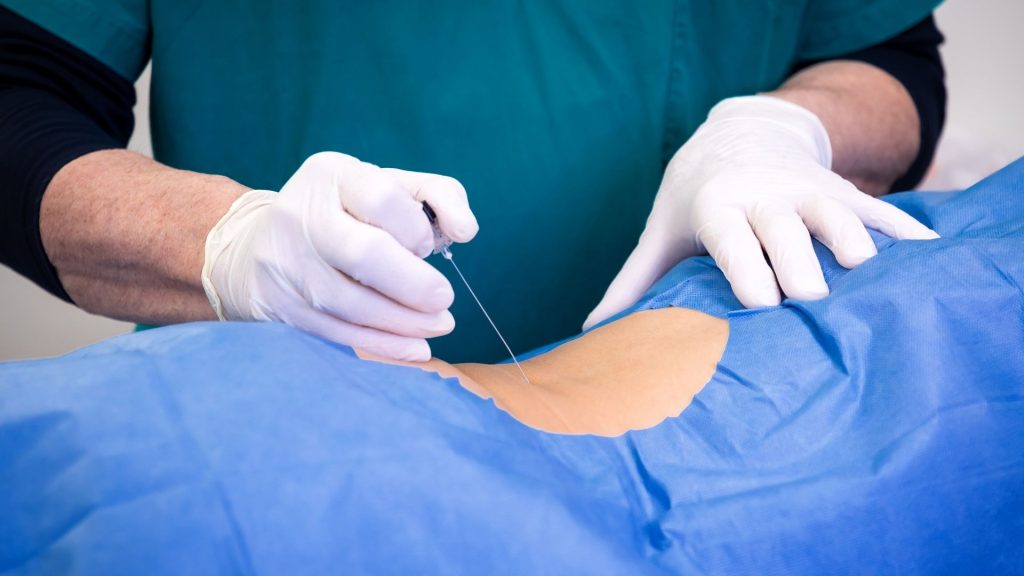
Spinal Taps for Lyme Disease: Do You Really Need One? Spinal Taps: A Troubling Trend I’ve noticed a troubling trend in Lyme disease care. Some patients are being told they need a spinal tap (lumbar puncture) to “rule out neurological Lyme disease.” While spinal taps are important in cases like suspected meningitis, their role in

Spinal Taps for Lyme Disease: Do You Really Need One? Read More »