
Contact us at 914-666-4665

Dr. Daniel Cameron

Board-certified physician with 38+ years specializing in Lyme disease and tick-borne illnesses. Past President of ILADS (International Lyme and Associated Diseases Society) and first author of ILADS treatment guidelines. Dr. Cameron operates a solo practice focused on patient advocacy and evidence-based Lyme disease treatment. He is the author of 1,100+ articles spanning diagnosis, treatment, co-infections, and recovery from tick-borne illnesses. His work challenges conventional approaches that often leave patients undiagnosed or undertreated, emphasizing clinical judgment over rigid adherence to testing criteria that frequently produce false negatives.

Dr. Daniel Cameron
lyme-disease-dementia

Can Lyme disease cause cognitive dysfunction or dementia?

Can Lyme Disease Cause Cognitive Dysfunction or Dementia? Lyme disease cognitive dysfunction is a common concern among patients with neurologic symptoms. But can Lyme disease actually cause dementia? Wormser and colleagues addressed this question in their article “Lack of Convincing Evidence That Borrelia burgdorferi Infection Causes Either Alzheimer Disease or Lewy Body Dementia,” published in […]

Can Lyme disease cause cognitive dysfunction or dementia? Read More »
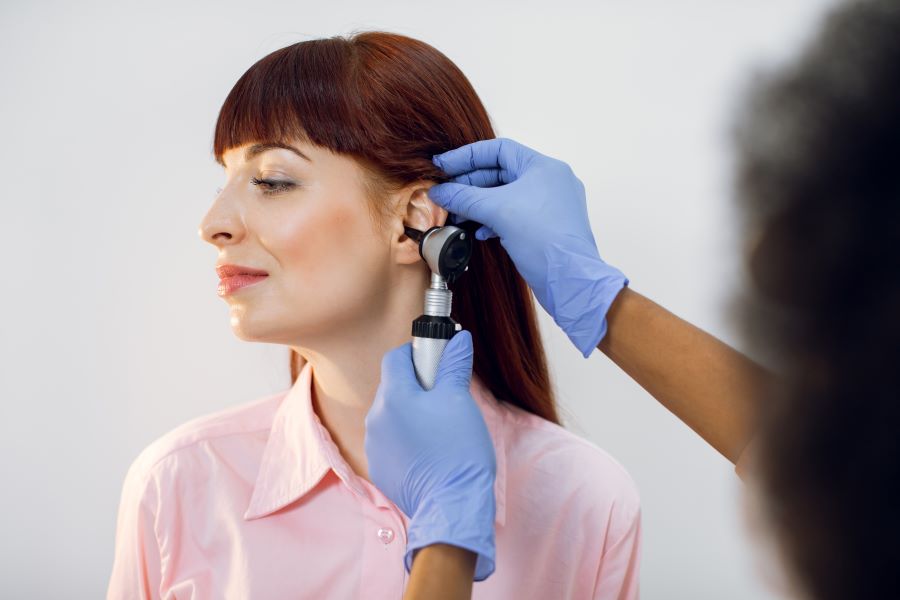
Woman with Lyme meningitis getting an ear exam.

Lyme Disease and Sudden Hearing Loss: Signs of Lyme Meningitis

Lyme Disease and Sudden Hearing Loss: Signs of Lyme Meningitis Lyme disease sudden hearing loss can appear months or even a year after a tick bite. In one case report, a woman in her 40s developed sudden bilateral sensorineural hearing loss, tinnitus, and rapidly progressive facial palsy. Only after careful questioning did she recall removing

Lyme Disease and Sudden Hearing Loss: Signs of Lyme Meningitis Read More »

Patient receiving disulfiram for Lyme disease.

Disulfiram for Lyme Disease: Does It Work?

Disulfiram for Lyme Disease: Evidence, Benefits, and Risks Disulfiram for Lyme disease has drawn attention as a possible treatment for persistent infection. Originally marketed in the United States as Antabuse for alcohol dependence, disulfiram causes unpleasant physical reactions with alcohol consumption, including headache, nausea, and hypotension. More recently, several studies have examined whether it may

Disulfiram for Lyme Disease: Does It Work? Read More »

Man with neurological symptoms from babesiosis sitting on hospital bed.

Can Babesiosis Cause Stroke-Like Symptoms?

Neurological Manifestations of Babesiosis Neurological manifestations of babesiosis can mimic transient ischemic attacks (TIAs) with confusion, slurred speech, ataxia, and cognitive impairment — leading doctors to miss the underlying tick-borne infection. Two patients in their 70s presented with stroke-like neurologic symptoms that resolved completely after treatment for babesiosis with antibiotics and antiparasitics. Their cases highlight

Can Babesiosis Cause Stroke-Like Symptoms? Read More »

Newborn infant in hospital bed.

Challenges in Treating a Newborn With Lyme Disease

Mother Describes Challenges in Getting Treatment for Newborn with Lyme Disease A newborn with Lyme disease can present with subtle symptoms that are easy to overlook. In a published case report, a mother described the frightening experience of seeking treatment for her infant after noticing a tick and early signs of illness. Her account highlights

Challenges in Treating a Newborn With Lyme Disease Read More »

Lyme disease patient getting a costly tests including an MRI.

Cascade of Unnecessary Tests: When Lyme Goes Undiagnosed

Cascade of Unnecessary Tests: When Lyme Goes Undiagnosed Cascade of care in Lyme disease often occurs when the correct diagnosis is missed. Patients with fatigue, neurologic symptoms, joint pain, or cognitive dysfunction may undergo extensive testing across multiple specialties before Lyme disease is considered. Instead of unnecessary tests triggering the cascade, the cascade begins because

Cascade of Unnecessary Tests: When Lyme Goes Undiagnosed Read More »

Doctors gives anesthetic medication to patient with Lyme disease.

Lyme Disease and Anesthesia Considerations

Lyme Disease and Anesthesia Considerations Lyme disease anesthesia considerations are important for patients undergoing surgical procedures. Undiagnosed Lyme disease, neurologic involvement, and cardiac complications can affect perioperative management and anesthetic choices. In her article “Lyme Disease and Anesthesia Considerations,” Smit discusses several issues anesthetic practitioners should consider when caring for patients with Lyme disease. Key

Lyme Disease and Anesthesia Considerations Read More »

Man with Lyme carditis and a pacemaker implantation talks to doctor.

Successful removal of pacemakers in patients with Lyme carditis

Successful removal of pacemakers in patients with Lyme carditis Reversible heart block from Lyme disease means patients may not need permanent pacemakers for life. Two cases demonstrate successful removal of permanent pacemakers after antibiotic treatment restored normal cardiac conduction. Both patients maintained 1:1 conduction at heart rates exceeding 120 beats per minute during exercise stress

Successful removal of pacemakers in patients with Lyme carditis Read More »

Lyme patient expressing frustration with doctor.

‘Near-universal’ negative experiences with healthcare providers reported by Lyme disease patients

‘Near-universal’ negative experiences with healthcare providers reported by Lyme disease patients “Healthcare providers frequently struggle to provide effective care to patients with chronic Lyme-associated symptoms…potentially causing these patients to feel misunderstood or neglected by the healthcare system,” the authors wrote. They listed 6 themes that emerged from the participants experiences: Late diagnosis, abandonment, loss, unpredictability,

‘Near-universal’ negative experiences with healthcare providers reported by Lyme disease patients Read More »

Woman rubbing painful shoulder due to Lyme meningitis.

Lyme Meningitis Leading to Hyponatremia (SIADH)

Lyme Meningitis Leading to Hyponatremia (SIADH) Hyponatremia from Lyme disease can signal underlying neuroborreliosis causing syndrome of inappropriate antidiuretic hormone (SIADH) secretion. An 83-year-old woman developed persistent low sodium levels (125-126 mmol/L) initially attributed to blood pressure medication, but after one month of diagnostic confusion and medication changes, a lumbar puncture finally revealed Lyme meningitis

Lyme Meningitis Leading to Hyponatremia (SIADH) Read More »