Contact us at 914-666-4665

Dr. Daniel Cameron

Board-certified physician with 38+ years specializing in Lyme disease and tick-borne illnesses. Past President of ILADS (International Lyme and Associated Diseases Society) and first author of ILADS treatment guidelines. Dr. Cameron operates a solo practice focused on patient advocacy and evidence-based Lyme disease treatment. He is the author of 1,100+ articles spanning diagnosis, treatment, co-infections, and recovery from tick-borne illnesses. His work challenges conventional approaches that often leave patients undiagnosed or undertreated, emphasizing clinical judgment over rigid adherence to testing criteria that frequently produce false negatives.

Dr. Daniel Cameron
Neuropsychiatric Symptoms After Lyme Disease

Neuropsychiatric Symptoms After Lyme Disease: When Panic, Depression, and Brain Fog Overlap

Neuropsychiatric Symptoms After Lyme Disease: When Panic, Depression, and Brain Fog Overlap Neuropsychiatric symptoms in Lyme disease can include panic attacks, depression, cognitive slowing, and prominent somatic complaints. These symptoms can be difficult to interpret because psychiatric, neurologic, autonomic, and post-infectious mechanisms often overlap. For a deeper understanding of these overlapping drivers, see persistent Lyme […]
Neuropsychiatric Symptoms After Lyme Disease: When Panic, Depression, and Brain Fog Overlap Read More »

Cardiac Symptoms of Lyme Disease

Cardiac Symptoms of Lyme Disease: Lyme Carditis and Heart Problems

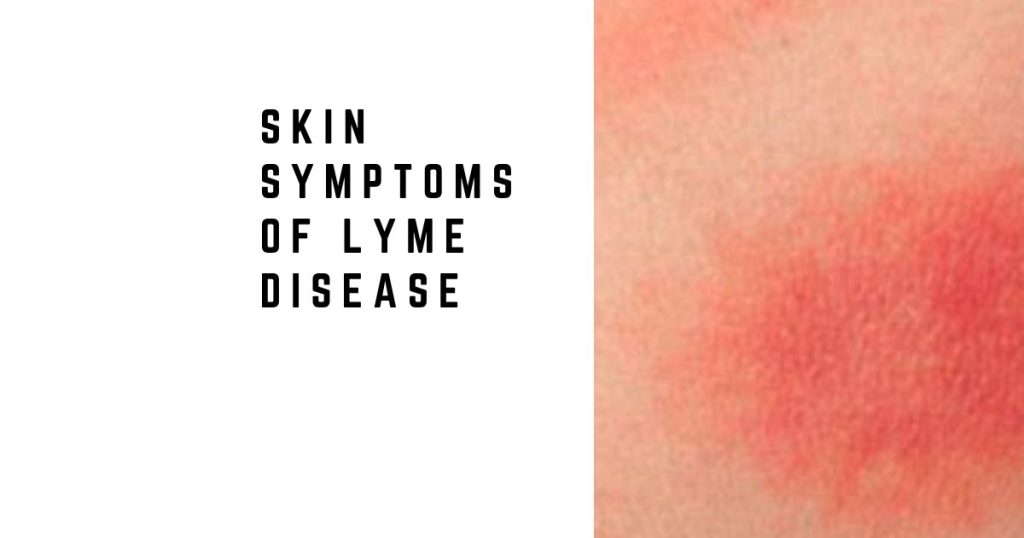
Cardiac Symptoms of Lyme Disease Cardiac symptoms of Lyme disease occur when infection affects the heart and its electrical conduction system. Some patients develop palpitations, dizziness, fainting, or abnormalities in heart rhythm as part of Lyme infection. Although cardiac complications are less common than neurologic or musculoskeletal symptoms, heart involvement can occur as part of

Cardiac Symptoms of Lyme Disease: Lyme Carditis and Heart Problems Read More »

Psychiatric Symptoms of Lyme Disease

Psychiatric Symptoms of Lyme Disease: Anxiety, Depression, and Mood Changes

Psychiatric Symptoms of Lyme Disease Psychiatric symptoms of Lyme disease can occur when infection affects the brain and nervous system. Patients may experience anxiety, depression, irritability, or changes in mood and behavior as part of the illness. These symptoms can develop early in Lyme disease or appear later when infection is not recognized and treated

Psychiatric Symptoms of Lyme Disease: Anxiety, Depression, and Mood Changes Read More »

Lyme Arthritis Symptoms

Lyme Arthritis Symptoms: Joint and Muscle Pain in Lyme Disease

Lyme Arthritis Symptoms: Joint and Muscle Pain in Lyme Disease Lyme arthritis symptoms are among the most common manifestations of Lyme disease. Many patients develop joint pain, swelling, and muscle aches as the infection affects the musculoskeletal system. These symptoms may appear early in Lyme disease or develop later if the infection is not recognized

Lyme Arthritis Symptoms: Joint and Muscle Pain in Lyme Disease Read More »

Neurologic Lyme Disease: Understanding Nervous System Symptoms

Neurologic Lyme Disease: Understanding the Nervous System Symptoms

Neurologic Lyme Disease: Understanding Nervous System Symptoms Can Lyme disease affect the brain and nervous system? Yes. Neurologic Lyme disease can cause brain fog, dizziness, nerve pain, and autonomic symptoms that may change over time. Quick answer: Lyme disease can affect both the central and peripheral nervous system, leading to cognitive, sensory, and autonomic symptoms

Neurologic Lyme Disease: Understanding the Nervous System Symptoms Read More »

When Babesia Blocks Lyme Recovery

When Babesia Blocks Lyme Recovery

Babesia Blocking Lyme Recovery For a complete overview of recovery, see our Lyme disease recovery guide. Recovery from Lyme disease is rarely straightforward. Many patients pursue multiple therapies—detox programs, dietary changes, and treatments for environmental exposures—hoping to calm persistent symptoms. But sometimes the obstacle to recovery is not what patients are treating—it is a coinfection

When Babesia Blocks Lyme Recovery Read More »

Sudden Behavioral Changes

Behavioral Changes in Children With Lyme Disease

Sudden Behavioral Changes in Children With Lyme Disease Lyme disease can cause sudden behavioral symptoms in children, including irritability, aggression, anxiety, and oppositional behavior. These changes may appear abruptly in children who previously functioned well at home and in school. After 37 years treating Lyme disease, I have treated middle and high school students whose

Behavioral Changes in Children With Lyme Disease Read More »

Tick-Borne Infections in Infants: Lyme Disease and Babesia

Lyme Disease in Infants: Babesia and Early Tick-Borne Infection

Tick-Borne Infections in Infants: Lyme Disease and Babesia Lyme disease in infants is rarely discussed in the medical literature, in part because diagnosis can be difficult. Infants cannot describe symptoms such as headache, dizziness, or fatigue, and physical examination findings may be subtle. In addition, current testing methods may be less reliable early in infection.

Lyme Disease in Infants: Babesia and Early Tick-Borne Infection Read More »