Contact us at 914-666-4665

Dr. Daniel Cameron

Board-certified physician with 38+ years specializing in Lyme disease and tick-borne illnesses. Past President of ILADS (International Lyme and Associated Diseases Society) and first author of ILADS treatment guidelines. Dr. Cameron operates a solo practice focused on patient advocacy and evidence-based Lyme disease treatment. He is the author of 1,100+ articles spanning diagnosis, treatment, co-infections, and recovery from tick-borne illnesses. His work challenges conventional approaches that often leave patients undiagnosed or undertreated, emphasizing clinical judgment over rigid adherence to testing criteria that frequently produce false negatives.

Dr. Daniel Cameron
When to Suspect Lyme Disease

When to Suspect Lyme Disease in Children

When to Suspect Lyme Disease in Children Lyme disease should be considered in children who develop unexplained fatigue, joint pain, headaches, or behavioral changes after spending time outdoors in tick-endemic areas. Because children often present differently than adults, early signs may be subtle and easily mistaken for common childhood conditions. Children ages 5–14 represent one […]

When to Suspect Lyme Disease in Children Read More »
Risk of chronic illness from Lyme disease

Risk of Chronic Illness from Lyme Disease

Risk of Chronic Illness from Lyme Disease The Risk of Chronic Illness from Lyme Disease Begins Early The risk of chronic illness from Lyme disease does not affect adults alone. Children can be particularly vulnerable—not only to the initial infection but also to long-term complications when diagnosis or treatment is delayed. Some of the most

Risk of Chronic Illness from Lyme Disease Read More »

What It Really Takes From Children

Childhood Lyme Disease Recovery: What Families Experience

Childhood Lyme Disease: What It Really Takes From Children Childhood Lyme disease doesn’t just make children sick—it can take their confidence, their joy, and the childhood they should be living. It can affect attention, mood, and energy long before it is recognized as an infection—often altering development in ways that are easy to miss and

Childhood Lyme Disease Recovery: What Families Experience Read More »

A Toddler’s Lyme Disease Misdiagnosed as Abuse

A Toddler’s Lyme Disease Misdiagnosed as Abuse

A Toddler’s Lyme Disease Misdiagnosed as Abuse Sometimes a bandaid covers more than a scrape. Sometimes it covers a bigger story—one about misdiagnosis, fear, and the high stakes of misunderstanding Lyme disease in children. Although uncommon, Lyme disease misdiagnosed as child abuse highlights how atypical presentations of tick-borne illness can create serious diagnostic confusion. That’s

A Toddler’s Lyme Disease Misdiagnosed as Abuse Read More »

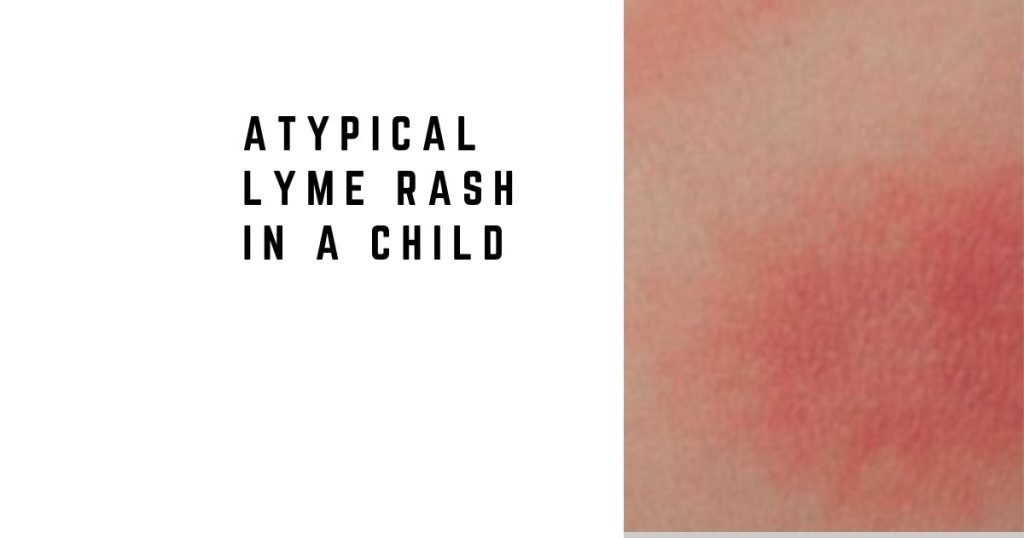
Atypical Lyme Rash in a Child

Lyme Rash in Children: Why It Is Often Missed

A Case Example of an Atypical Lyme Rash in a Child Case reports often illustrate how Lyme disease can present in unexpected ways, particularly in children. I previously discussed a case report by Banadyha and colleagues describing an unusual presentation of erythema migrans in a child. In their article, “Giant Erythema in a Child with

Lyme Rash in Children: Why It Is Often Missed Read More »

Lyme Disease Misdiagnosis

Lyme Disease Misdiagnosis: Why It Happens and What to Know

Lyme Disease Misdiagnosis: Why It Happens and What to Know Lyme disease is frequently misdiagnosed—not because clinicians lack skill, but because the illness can involve multiple organ systems and evolve over time. As discussed in Why Lyme Disease Tests the Limits of Medicine, diagnostic challenges often arise when symptoms overlap with more common conditions or

Lyme Disease Misdiagnosis: Why It Happens and What to Know Read More »

Why Did My Child Suddenly Change?” What Every Parent Should Know About PANS and Lyme

Why Did My Child Suddenly Change? Lyme Disease, PANS, and PANDAS

Why Did My Child Suddenly Change? PANS, PANDAS, and Lyme Disease in Children PANS, PANDAS, and Lyme disease can trigger sudden neuropsychiatric symptoms in children. Understanding these conditions can help families seek the right evaluation and treatment. One of the most distressing things a parent can witness is a sudden, unexplained change in their child.

Why Did My Child Suddenly Change? Lyme Disease, PANS, and PANDAS Read More »

Lyme Disease Medical Dismissal

Lyme Disease Medical Dismissal

Lyme Disease Medical Dismissal Medical dismissal in Lyme disease is one of the most common experiences reported by patients with persistent illness. Individuals may present with disabling fatigue, neurologic symptoms, autonomic instability, and chronic pain—yet be told that their symptoms are unrelated to infection or cannot be explained. Many patients initially seek medical care because

Lyme Disease Medical Dismissal Read More »

Lyme Disease in Teens

Lyme Disease in Teens: When Symptoms Look Like Stress

Lyme Disease in Teens: When Symptoms Look Like Stress A parent’s guide to recognizing and treating Lyme disease in children Quick Answer: Can Lyme Disease Look Like Stress in Teenagers? Yes. Lyme disease in teenagers can cause fatigue, anxiety, mood changes, difficulty concentrating, and sleep problems. Because these symptoms overlap with stress or mental health

Lyme Disease in Teens: When Symptoms Look Like Stress Read More »