Contact us at 914-666-4665

Filter posts by category

Lyme Science Blog

Why I Treat Babesia Even if the Tests Are Negative

Babesia Negative Tests: Why Treatment May Still Be Needed

Babesia Negative Tests: Why Treatment May Still Be Needed Babesia testing may miss active infection. Symptoms can persist despite negative results. Clinical judgment still matters in complex cases. “But my Babesia test was negative—why are we treating it?” Patients often ask this question when they continue to experience symptoms such as night sweats, air hunger, […]

Babesia Negative Tests: Why Treatment May Still Be Needed Read More »
TICK HEAD STUCK IN YOUR SKIN

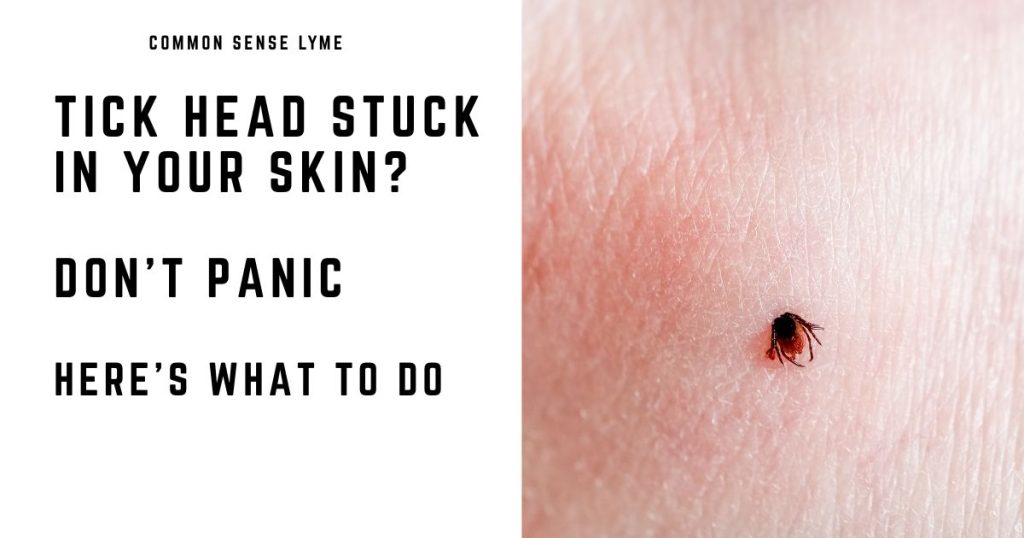
Tick Head Stuck in Skin: What to Do and Lyme Disease Risk

Tick Head Stuck in Skin: What to Do and Lyme Disease Risk Tick mouthparts left in the skin rarely increase Lyme risk. Avoid digging or squeezing the area after tick removal. Focus on symptoms, healing, and proper follow-up. Quick Answer: If a tick’s mouthparts stay in your skin, it usually does not increase the risk

Tick Head Stuck in Skin: What to Do and Lyme Disease Risk Read More »

SYMPTOMS WORSE AFTER LYME TREATMENT

Fear of a Herxheimer Reaction in Lyme Disease: What Patients Should Know

Fear of a Herxheimer Reaction in Lyme Disease: What Patients Should Know Fear of a Herxheimer reaction is common among patients beginning Lyme disease treatment. Many worry that worsening symptoms mean treatment is causing harm rather than helping. A Herxheimer reaction can temporarily intensify symptoms such as fatigue, pain, brain fog, dizziness, or flu-like illness

Fear of a Herxheimer Reaction in Lyme Disease: What Patients Should Know Read More »

WHY DOES JOINT PAIN CONTINUE AFTER LYME (1)

Lyme Disease and Joint Pain: Is It Debris—or a Missed Persistent Infection?

Lyme Arthritis: Is Persistent Joint Pain Debris or Ongoing Infection? Persistent joint pain after Lyme treatment may reflect more than immune debris. New research found Borrelia burgdorferi peptidoglycan in joint fluid weeks after antibiotic therapy. Whether this reflects inert debris or ongoing infection changes how treatment should proceed. New research into Lyme arthritis is challenging

Lyme Disease and Joint Pain: Is It Debris—or a Missed Persistent Infection? Read More »

babesia lyme treatment failure

Babesia Lyme Treatment Failure: Why Patients Stay Sick After Lyme

Babesia Lyme Treatment Failure: Why Patients Stay Sick After Lyme Babesia coinfection may complicate Lyme disease recovery Fatigue, air hunger, and night sweats may persist despite treatment Delayed recognition can prolong illness and recovery She wasn’t immunocompromised. So why was she still sick months after Lyme treatment? That was the question we kept coming back

Babesia Lyme Treatment Failure: Why Patients Stay Sick After Lyme Read More »

Feeling Worse After Antibiotics? A Lyme Disease Treatment Adjustment

Feeling Worse After Antibiotics? A Lyme Disease Treatment Adjustment FEELING WORSE AFTER ANTIBIOTICS? WHEN LESS MAY HELP Some Lyme disease patients feel worse after starting antibiotics—not better. In certain cases, adjusting the dose rather than stopping treatment altogether may help patients tolerate therapy and continue improving. He was ready to quit treatment. The antibiotics were

Feeling Worse After Antibiotics? A Lyme Disease Treatment Adjustment Read More »

SPINAL TAP NORMAL

Can You Have Neurologic Lyme Disease With a Normal Spinal Tap?

Can You Have Neurologic Lyme Disease With a Normal Spinal Tap? “My spinal tap was normal—so why am I still sick?” This is one of the most confusing and frustrating moments for patients with suspected neurologic Lyme disease. A normal spinal tap does not necessarily exclude neurologic Lyme disease. In chronic cases, cerebrospinal fluid (CSF)

Can You Have Neurologic Lyme Disease With a Normal Spinal Tap? Read More »

MY DOCTOR WANTS TO GIVE ME STEROIDS

My doctor wants to give me steroids—will that make Lyme disease worse?

Steroids and Lyme Disease: Can Steroids Make Symptoms Worse? Steroids are widely used to reduce inflammation, but when Lyme disease is present, the timing of steroid treatment may matter. Steroids and Lyme disease remain a controversial combination because suppressing the immune response before infection is recognized may worsen symptoms or delay recovery in some patients.

My doctor wants to give me steroids—will that make Lyme disease worse? Read More »

YOUR LYME TEST WAS NEGATIVE?

Can You Have Lyme Disease with a Negative Test?

Can You Have Lyme Disease with a Negative Test? Can you have Lyme disease with a negative test? Yes—and it happens more often than many patients realize. Quick Answer: Lyme disease tests can be negative, especially early in infection or in some cases later in illness. Because testing has limitations, diagnosis often depends on symptoms,

Can You Have Lyme Disease with a Negative Test? Read More »