
Contact us at 914-666-4665

Filter posts by category

Lyme Science Blog

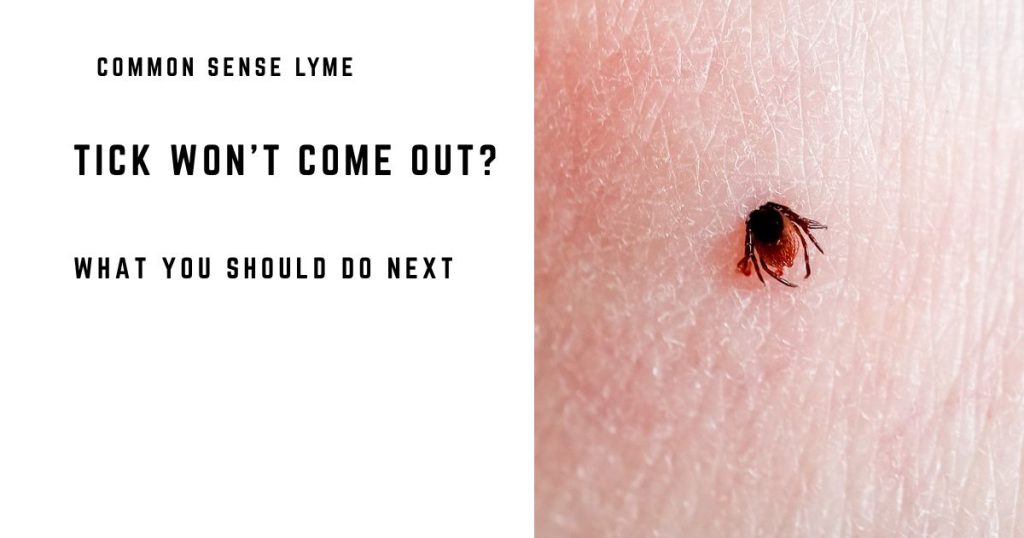
Why Some Ticks Are Hard to Remove: What Patients Should Know

Can You Get Lyme Disease Outside Endemic Areas?

Can You Get Lyme Disease Outside Endemic Areas? Lyme disease outside endemic areas is more common than many patients and clinicians realize. While Lyme disease is traditionally associated with the Northeast and Upper Midwest, cases are increasingly reported in regions once considered low risk. This raises an important clinical question: Can Lyme disease occur outside

Can You Get Lyme Disease Outside Endemic Areas? Read More »

Sensory Neurons and Lyme Disease:

Sensory Neurons and Lyme Disease: Why Your Body Overreacts to Pain and Sensation

Sensory Neurons in Lyme Disease: Why Your Body Overreacts to Pain and Sensation Sensory neurons in Lyme disease may explain why pain, touch, and sensation feel amplified—sometimes dramatically. Patients often say, “Everything feels too intense.” This includes symptoms such as burning pain, allodynia, sensitivity to temperature, and even discomfort from clothing or light touch. These

Sensory Neurons and Lyme Disease: Why Your Body Overreacts to Pain and Sensation Read More »

Why Are Alpha-gal Reactions Delayed After Eating Meat?

Why Are Alpha-gal Reactions Delayed After Eating Meat?

Why Alpha-gal Reactions Are Delayed (and How Long They Last) Alpha-gal reactions are delayed 3–6 hours after eating mammalian meat. The delay is the main reason this tick-induced allergy is so frequently missed. Avoiding further tick bites is essential to recovery. You eat dinner. Everything seems fine. Hours later — often in the middle of

Why Are Alpha-gal Reactions Delayed After Eating Meat? Read More »

Why Lyme Symptoms Get Worse at Night

Why Lyme Symptoms Get Worse at Night

Why Lyme Symptoms Get Worse at Night Lyme symptoms often worsen overnight. Autonomic instability, cortisol disruption, and inflammation may contribute. Patients commonly report insomnia, night sweats, pain, or sudden awakenings. Quick answer: Lyme symptoms often get worse at night due to autonomic nervous system instability, disrupted cortisol timing, and increased inflammatory signaling during vulnerable sleep

Why Lyme Symptoms Get Worse at Night Read More »

Finding a Doctor Who Treats Chronic Lyme

How to Find a Doctor Who Treats Chronic Lyme Disease

How to Find a Doctor Who Treats Chronic Lyme Disease Many patients see multiple doctors before diagnosis Symptoms may not fit a single condition Experience with complex illness makes the difference Finding a doctor who treats chronic Lyme disease can be difficult. Many patients are evaluated for individual symptoms—fatigue, anxiety, or joint pain—before someone recognizes

How to Find a Doctor Who Treats Chronic Lyme Disease Read More »

Why Lyme Tests Can Be Negative Despite Ongoing Symptoms

Why Lyme Tests Can Be Negative Despite Ongoing Symptoms

Why Lyme Tests Can Be Negative Despite Ongoing Symptoms Tests can be negative early Immune response varies Symptoms still matter Diagnosis is clinical Why Lyme tests can be negative is one of the most common—and most misunderstood—questions in Lyme disease. Many patients ask: why are my Lyme tests negative if I still have symptoms? Negative

Why Lyme Tests Can Be Negative Despite Ongoing Symptoms Read More »

Is This Lyme Disease or Something Else?

Is This Lyme Disease or Something Else? Key Signs How to Tell the Difference

Is This Lyme Disease or Something Else? Lyme disease can mimic many other conditions. The question is not just which symptoms are present—but how they fit together. Because Lyme disease can begin subtly or be missed early, understanding how to prevent Lyme disease remains important—even before a diagnosis is confirmed. A patient recently asked, “Is

Is This Lyme Disease or Something Else? Key Signs How to Tell the Difference Read More »