Chikungunya vs Lyme Disease: Why Symptoms Can Be Confused
Chikungunya vs Lyme disease symptoms can overlap, making diagnosis challenging for both patients and clinicians. Both conditions can present with flu-like illness, joint pain, and long-lasting symptoms. :contentReference[oaicite:0]{index=0}
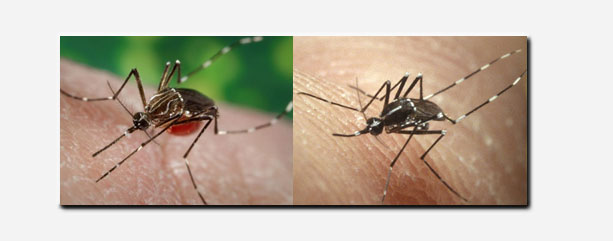
The Chikungunya virus (CHIKV), transmitted by Aedes aegypti and Aedes albopictus mosquitoes, has emerged as a global health concern and is now present in parts of the United States.
Aedes mosquitoes can transmit Chikungunya virus.
Overlapping Symptoms
Chikungunya infection typically develops within 3 to 5 days after a mosquito bite and may include:
- Fever
- Headache
- Joint pain
- Muscle aches
- Nausea
- Rash
- Fatigue
These symptoms closely resemble those seen in Lyme disease.
In both conditions, joint pain can be severe and debilitating, sometimes limiting mobility.
Chronic Symptoms Can Occur
Although Chikungunya is often described as self-limited, symptoms may persist for months or even years.
According to the Pan American Health Organization, most patients recover fully, but some develop chronic joint pain.
This chronic presentation can resemble conditions such as rheumatoid arthritis—and Lyme disease.
A Personal Perspective
I have seen firsthand how debilitating Chikungunya infection can be.
My father-in-law, a previously healthy and active farmer in Jamaica, developed sudden and severe joint pain after infection. It began in his ankles and feet, progressed to his knees, and left him unable to walk comfortably.
Years later, he continues to experience chronic arthritic symptoms—similar to many others in his community who were affected during the outbreak.
Diagnostic Challenges
Distinguishing Chikungunya from Lyme disease can be difficult.
A study published in Arthritis and Rheumatology found that Chikungunya viral arthritis can mimic seronegative rheumatoid arthritis.
Patients may present with:
- Persistent symmetric polyarthritis
- Morning stiffness
- Joint swelling affecting wrists, hands, ankles, and feet
In one study, patients who had traveled to Haiti during an outbreak were later referred to a rheumatology clinic with chronic joint symptoms.
Without careful history-taking, these cases can be misdiagnosed.
Testing for Chikungunya is limited and often available only through specialized laboratories.
Global Spread and U.S. Risk
Prior to 2013, Chikungunya was largely confined to Africa, Asia, and parts of Europe.
However, outbreaks in the Caribbean led to nearly 2,000 infected travelers returning to the United States, including 300 cases in Florida and multiple locally transmitted infections.
According to the CDC, this marked the first locally acquired cases in the continental U.S.
Chikungunya is now part of a growing list of vector-borne diseases with expanding geographic reach.
Treatment Limitations
There are currently:
- No vaccines for Chikungunya
- No specific antiviral treatments
Management is primarily supportive.
Studies have shown that common medications such as NSAIDs and acetaminophen may provide limited relief.
In some cases, corticosteroids have been used, but may worsen symptoms or raise concerns about persistent viral infection.
Why This Matters
As vector-borne diseases expand, clinicians are increasingly faced with overlapping symptom profiles.
Chikungunya, Lyme disease, and other infections may present with similar clinical features, complicating diagnosis.
With a growing number of vector-borne infections sharing similar symptoms, accurate diagnosis becomes increasingly challenging.
Clinical Perspective
Clinicians should consider both Chikungunya and Lyme disease when evaluating patients with new-onset joint pain and systemic symptoms.
Travel history, exposure risk, and careful clinical evaluation are essential for accurate diagnosis.
Additional symptoms—such as fatigue, cognitive changes, sleep disturbance, and neurologic complaints—may help differentiate Lyme disease from other conditions.
Dr. Daniel Cameron, MD, MPH
Lyme disease clinician with over 30 years of experience and past president of ILADS.
Symptoms • Testing • Coinfections • Recovery • Pediatric • Prevention



Had tick bite may or june 2014. Immediate onset total left side numbness nov 2014. Dec 10 right side overnite onset.numbness that is now terrible pain…blood tider and LP negative. MASSIVE pain and numbness extreme pain.Doctors and Neurologists baffled …Refuse to treat for lyme or possible tick born disease. All test show no loss of strength.I’m breaking and cannot tolerate. Somebody please help. I am on YouTube with 590,000 but now hands are so stiff I can’t play…I must get help or its the end I greatly fear. Somebody please contact me with guidance and helpme get appointment with infectious disease Dr.I’m in Kernersville NC
A relative was previously very healthy – perhaps exceptionally healthy. She was bitten by a chikungunya infected mosquito in October and has been afflicted ever since.
Have there been any advances in treatment since you wrote this? Where is the hotbed for research in the US (or world) for chikungunya?
Thanks for your work with Lyme patients. I’ve referred many friends and strangers to you even though I’ve never been your patient. I should have been. I had the classic Lyme bullseye as far back as the mid 70s after a tick bite.
Thanks for your continued work transforming lives.
I have not heard of any breakthroughs on the chikungunya virus. It always harder to treat a virus. It is also important not to overlook another illness including a tick borne illness if symptoms persist.
My 10 yr old daughter has been sick for 3 months and Drs are baffled at what it is. It started with pain all over, stiff neck, joint pain and extreme fatigue. A simple bath wears her out! She had mono 3 years ago but has tested negative for active infection now. They tested for Lyme and got a positive result but negative antibodies test. So Drs say we got a false positive. She says the pain is getting worse and is worse than when she had mono. Is this something Dr.’s would normally test for or do I need to ask for this specific test for chikungunya . Thank you in advance for any insight. It’s awful to watch your child in pain and not know why.
Sorry to hear your daughter remains ill. The blog reflects the difficulties doctors can have telling the difference between even the Chikungunya virus and Lyme disease. It would be reasonable to look a second time at Lyme disease given the limitations of the testing.
Thank you so much Dr. Cameron I will ask for them to test again.
After spending a week in Arkansas at a remote lake I came home with what seems like mosquito bites. After being home for one day it appears that I have slept for 20+ hours and I am extremely tired and have some dizziness. Is there a reason that I should seek medical help?
I would advise a medical evaluation that includes tick borne illnesses.
I’ve had pain and swelling since May 2016 that followed nearly a year of flulike symptoms – fever, fatigue, sore throat, cough, dizziness, loss of taste/smell – and had swollen lymph nodes. The pain started on my dominant hand’s index finger that spread to my hand after 3 months.
In 2019, it spread to the other hand and work/hobbies became impossible, even holding a fork, pinching food, and turning door knobs is difficult. Now it’s in both my feet as well and I am steps away from being truly unable to live independently without any answers as all of my imaging and blood tests are coming back normal.
Should I pursue further investigation for Lyme? Should I ask about CHIKV? I’m 24, eat a healthy diet (as anything unhealthy triggers inflammation and increases aching in my hands and feet), try to at least exercise as regularly as possible (as that’s the least hobby standing), and I’m worried that if I go for a walk outside or go on a long drive, I won’t be able to make it home.
I advise my patients with these issues to include an evaluation for a tick borne infection as part of their overall care. I don’t typically see CHIKV in my practice.