Ehrlichiosis and Lyme Disease: Symptoms and Treatment
Ehrlichiosis—like its close relative Anaplasmosis—can turn a typical Lyme disease presentation into a severe acute illness requiring immediate recognition and treatment. The same ticks that transmit Lyme disease also carry Ehrlichia bacteria, creating coinfections that produce high fever, severe headache, and dangerous blood count abnormalities. For a complete overview of tick-borne coinfections, see the Lyme disease coinfections guide.
Ehrlichiosis affects approximately 3–5% of Lyme disease patients in endemic areas, though cases are frequently missed or misdiagnosed as viral illness. The infection presents acutely, often within the first week or two after tick bite, with symptoms severe enough to require hospitalization when diagnosis and treatment are delayed.
What Is Ehrlichiosis?
Ehrlichiosis is caused by Ehrlichia species bacteria—primarily Ehrlichia chaffeensis and Ehrlichia ewingii in the United States—transmitted by the lone star tick and potentially other tick species. Like Anaplasmosis, Ehrlichia bacteria invade white blood cells, disrupting immune function and producing characteristic laboratory findings.
The infection shares many similarities with Anaplasmosis: both cause acute febrile illness, both affect white blood cells, both respond to doxycycline, and both are frequently misdiagnosed as viral infections. However, Ehrlichiosis is transmitted by different tick species and has some distinct clinical features that help differentiate the two infections.
Ehrlichiosis Symptoms
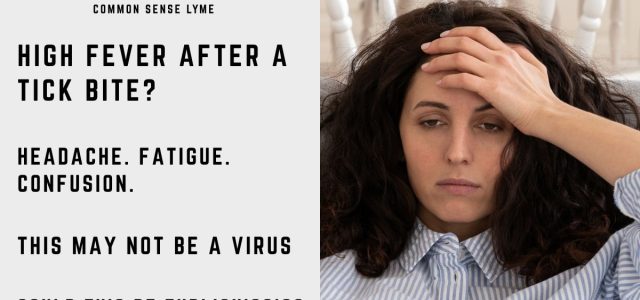
Ehrlichiosis presents as acute illness with rapid onset of severe symptoms. The characteristic clinical picture includes high fever (often 102–104°F), severe headache, profound muscle aches and pain, nausea and vomiting, and malaise disproportionate to physical findings. Confusion or altered mental status may occur in severe cases.
Unlike Lyme disease’s erythema migrans rash, Ehrlichiosis may produce a nonspecific rash in 30–40% of patients—particularly children—that appears as small red spots or petechiae. The rash, when present, typically develops after fever onset and does not have the distinctive bull’s-eye appearance of Lyme disease.
Laboratory findings provide important diagnostic clues: low white blood cell count, low platelet count, elevated liver enzymes, and low sodium. The combination of acute fever with these laboratory abnormalities in a patient with tick exposure should prompt immediate consideration of Ehrlichiosis.
Ehrlichiosis vs. Anaplasmosis
Ehrlichiosis and Anaplasmosis are closely related infections with overlapping symptoms and similar laboratory findings. Both cause acute febrile illness with characteristic blood count abnormalities. Both respond to doxycycline. Both are frequently misdiagnosed as viral illness.
The primary differences are geographic distribution and tick vectors. Ehrlichiosis is more common in southeastern and south-central United States where lone star ticks predominate. Anaplasmosis predominates in northeastern and upper midwestern states where black-legged ticks are abundant.
Clinically, distinguishing between the two is less important than recognizing either as tick-borne bacterial illness requiring doxycycline. The same antibiotic regimen treats both infections effectively, making precise species identification less critical than prompt treatment initiation.
Why Ehrlichiosis Is Missed
Ehrlichiosis is frequently dismissed as viral illness, particularly influenza or other respiratory infections. The acute onset, high fever, severe body aches, and systemic symptoms create a clinical picture easily attributed to viral causes when tick-borne illness is not considered.
Geographic assumptions also contribute to missed diagnoses. Clinicians in areas where Lyme disease is rare may not consider tick-borne illness at all, even when lone star ticks carrying Ehrlichia are abundant. The distribution of Ehrlichia-carrying ticks differs from Lyme disease distribution, creating gaps in awareness.
Testing limitations compound diagnostic challenges. Ehrlichia serology may be negative early in infection, PCR testing is not universally available, and blood smear examination requires expertise and is insensitive. By the time confirmatory results return, treatment may have been delayed for days.
Ehrlichiosis and Lyme Disease Coinfection
While Ehrlichiosis and Lyme disease are transmitted by different primary tick vectors, geographic overlap means coinfection can occur. Patients bitten by ticks in areas where both infections are endemic may acquire both pathogens simultaneously or sequentially.
When coinfection occurs, the acute febrile illness of Ehrlichiosis may mask or overlap with Lyme disease symptoms. The combination creates diagnostic confusion, particularly when symptoms do not fit neat categories or when testing for one infection is positive while testing for the other remains pending.
Fortunately, doxycycline treats both infections. When Ehrlichiosis is suspected or confirmed in a patient with possible Lyme disease exposure, continuing doxycycline at appropriate doses addresses both pathogens simultaneously.
Treatment and Complications
Ehrlichiosis responds rapidly to doxycycline. Most patients experience improvement within 24–48 hours of starting treatment, with fever resolving and symptoms beginning to improve. This dramatic response provides clinical confirmation even when laboratory testing is pending or negative.
Standard treatment is doxycycline 100mg twice daily for 10–14 days. The duration may be extended when symptoms persist or when Lyme disease coinfection is present. Alternative antibiotics are less effective — doxycycline remains the preferred agent.
Delayed treatment can lead to severe complications including respiratory failure, kidney injury, neurologic complications, bleeding disorders from severe thrombocytopenia, septic shock, and death in rare cases. These outcomes are preventable with prompt antibiotic therapy.
Frequently Asked Questions
What are the main symptoms of Ehrlichiosis?
High fever, severe headache, profound muscle aches, nausea, and acute systemic illness appearing within 1–2 weeks of tick bite. Lab findings show low white blood cells, low platelets, and elevated liver enzymes.
How is Ehrlichiosis different from Lyme disease?
Ehrlichiosis causes acute febrile illness within days, while Lyme disease develops gradually over weeks. Ehrlichiosis produces characteristic blood count abnormalities not seen in Lyme disease and is transmitted by different tick species.
Can you have Ehrlichiosis and Lyme disease together?
Yes, though less common than other coinfections since they are transmitted by different primary tick vectors. Geographic overlap means coinfection can occur, and doxycycline treats both infections.
How is Ehrlichiosis treated?
Doxycycline 100mg twice daily for 10–14 days. Response is usually rapid with improvement within 24–48 hours of starting treatment.
Is Ehrlichiosis serious?
When treated promptly, most patients recover completely. Delayed treatment can lead to severe complications including organ failure and death, making early recognition essential.
Clinical Takeaway
Ehrlichiosis is an acute bacterial coinfection presenting with high fever, severe headache, and characteristic blood count abnormalities including low white blood cells and platelets. The infection is frequently misdiagnosed as influenza or other viral illness, particularly when clinicians do not recognize tick-borne disease patterns or ask about outdoor exposures.
Ehrlichiosis responds rapidly to doxycycline with most patients improving within 24–48 hours, though delayed treatment increases risk of severe complications including respiratory failure, neurologic damage, and death.
When acute febrile illness occurs with tick exposure and characteristic laboratory findings, empiric doxycycline treatment should begin immediately without waiting for confirmatory serology.
Related Articles
- Babesia: The Most Common Lyme Coinfection
- Bartonella and Lyme Disease
- Anaplasmosis and Lyme Disease
- Lyme Disease Symptoms: The Complete Guide
References
- Ismail N, McBride JW. Tick-borne emerging infections: ehrlichiosis and anaplasmosis. Clin Lab Med. 2017;37(2):317–340.
- Dumler JS, Bakken JS. Human ehrlichioses: newly recognized infections transmitted by ticks. Annu Rev Med. 1998;49:201–213.
- Paddock CD, Childs JE. Ehrlichia chaffeensis: a prototypical emerging pathogen. Clin Microbiol Rev. 2003;16(1):37–64.
Dr. Daniel Cameron, MD, MPH
Lyme disease clinician with over 30 years of experience and past president of ILADS.
Symptoms • Testing • Coinfections • Recovery • Pediatric • Prevention