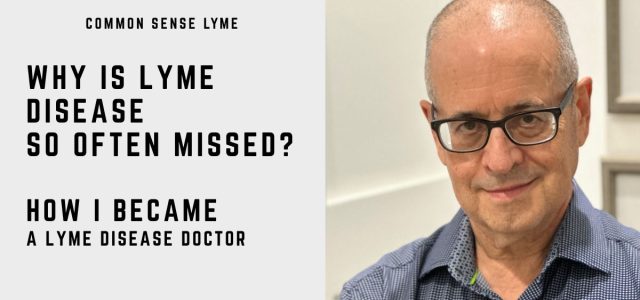
How I Became a Lyme Disease Doctor
I didn’t originally plan to become a doctor.
And I certainly did not expect to spend much of my career caring for patients with Lyme disease and co-infections.
My original goal was biomedical engineering. I was fascinated by the mechanics of the human body and wanted to design medical devices that could quietly improve people’s lives behind the scenes.
But over time, something changed.
Instead of designing tools for medicine, I realized I wanted to care for people directly.
That decision eventually led me down a path I never expected. :contentReference[oaicite:0]{index=0}
The Plan Was Engineering, Not Medicine
Growing up in a small farming community in Minnesota shaped the way I viewed healthcare.
Many people around me worked hard, rarely saw specialists, and quietly struggled with chronic physical, emotional, and social problems that often went unrecognized.
I became increasingly interested in how medicine could help people living with complicated illnesses—not just isolated symptoms.
Eventually, I shifted away from engineering and entered medicine.
Training in Geriatrics Changed My Perspective
After medical school, I was drawn to geriatrics because of its complexity.
I trained and later served as an assistant professor of medicine in the division of geriatrics at New York Medical College, where I directed medical student training in dementia.
I found the work deeply rewarding.
Patients often presented with overlapping symptoms, subtle cognitive changes, multiple diagnoses, and illnesses that did not always fit neatly into standard categories.
That experience taught me to:
- Listen carefully
- Look for patterns over time
- Think beyond a single symptom or diagnosis
- Recognize how complex illnesses can overlap
Those lessons would later become critical in my Lyme disease work.
The Unexpected Turn Toward Lyme Disease
While caring for older adults, I began seeing patients with cognitive symptoms who did not fit typical dementia patterns.
Some were younger than expected. Others experienced symptoms that fluctuated dramatically over time.
Standard laboratory testing often failed to provide clear answers.
Then I began seeing younger patients with:
- Brain fog
- Fatigue
- Joint pain
- Dizziness
- Autonomic symptoms
Many had already seen multiple specialists without finding an explanation for why they remained ill.
Over time, I began recognizing a recurring pattern:
Tick-borne illness.
Often Lyme disease. Sometimes Babesia, Bartonella, or overlapping co-infections.
Many patients had already been told they had Post-Treatment Lyme Disease Syndrome (PTLDS) and that nothing more could be done.
Others were told their symptoms reflected anxiety, stress, aging, or medically unexplained illness.
But I had already spent years working with medically complex patients. I knew symptoms could overlap, fluctuate, and mislead clinicians.
And when I treated many of these patients for persistent tick-borne illness, a significant number improved.
Why Complex Lyme Disease Cases Drew My Attention
What struck me most was not simply the infection itself—it was the complexity.
Patients often experienced combinations of:
- Neurologic symptoms
- Fatigue
- Pain syndromes
- Autonomic dysfunction
- Cognitive changes
- Fluctuating symptoms difficult to categorize
The overlap reminded me of the same diagnostic complexity I encountered during geriatrics training.
It required careful listening, pattern recognition, and attention to the patient’s overall story rather than isolated laboratory findings alone.
Where the Work Led Me
Today, I care for patients with Lyme disease, Babesia, Bartonella, and other complex tick-borne illnesses.
I continue to approach these cases through the lens that first shaped my medical career:
- Listen carefully
- Recognize complexity
- Avoid oversimplifying chronic illness
- Understand that symptoms rarely exist in isolation
What began as a desire to serve underserved communities eventually led me toward some of the most medically complicated patients I would encounter.
And over time, this became the work I was meant to do.
Learn more about Post-Treatment Lyme Disease Syndrome, Lyme coinfections, and neurologic Lyme disease.
Frequently Asked Questions
Did you originally plan to specialize in Lyme disease?
No. Dr. Cameron originally planned to pursue biomedical engineering before eventually entering medicine and geriatrics.
Why did geriatrics influence your Lyme disease work?
Geriatrics involves managing complex overlapping illnesses, cognitive symptoms, and fluctuating presentations—skills that became valuable in Lyme disease care.
What first made you suspect Lyme disease in patients?
Recurring patterns involving fatigue, cognitive symptoms, joint pain, and fluctuating neurologic complaints led to recognition of tick-borne illness patterns.
Why are Lyme disease cases often medically complex?
Many patients experience overlapping neurologic, autonomic, inflammatory, and infectious symptoms that may not fit traditional diagnostic categories.
What continues to motivate your work today?
Helping medically complex patients regain function and quality of life remains central to the work.
Clinical Takeaway
My path into Lyme disease medicine did not begin with a plan to specialize in tick-borne illness.
It evolved gradually through years of caring for medically complex patients whose symptoms often failed to fit conventional explanations.
Sometimes the most important clinical skill is learning how to recognize patterns that others may overlook.
Related Articles
Post-Treatment Lyme Disease Syndrome
Lyme Coinfections
Neurologic Lyme Disease
Autonomic Dysfunction in Lyme Disease
Lyme Disease Misdiagnosis
Dr. Daniel Cameron, MD, MPH
Lyme disease clinician with over 30 years of experience and past president of ILADS.
Symptoms • Testing • Coinfections • Recovery • Pediatric • Prevention

thanks a lot of information amazing