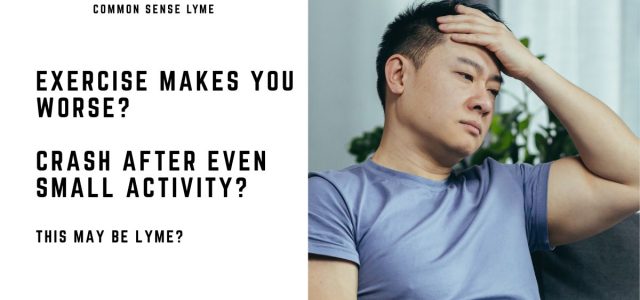
Lyme Disease and Exercise: Start Safely, Recover Stronger
Exercise may support recovery from Lyme disease—but timing matters.
The right movement at the right stage may improve strength without worsening symptoms.
Individualized pacing is often more effective than pushing through fatigue.
Exercise is often recommended as part of recovery from chronic illness. But when Lyme disease is involved, the advice isn’t always straightforward.
In my clinical practice, I’ve cared for patients who could barely walk across the room because of fatigue, dizziness, pain, or weakness. I’ve also watched many of those same patients gradually regain strength once we introduced the right type of movement at the right time.
Recovery is rarely about forcing yourself to exercise. Instead, it’s about treating the underlying illness, respecting your body’s limits, and gradually rebuilding endurance as symptoms improve.
For many patients, exercise eventually becomes an important part of recovery—but only after inflammation, infection, and autonomic symptoms are beginning to stabilize.
Watch my discussion here:
Not Everyone Is Ready to Exercise
If you’re experiencing a severe Lyme flare, significant dizziness, debilitating fatigue, medication reactions, or difficulty walking, your body may not yet be ready for a formal exercise program.
Pushing through symptoms too early may trigger symptom flares, worsen post-exertional exhaustion, or delay recovery. Instead, I focus first on stabilizing the infection, reducing inflammation, managing autonomic dysfunction, and improving day-to-day function.
Once patients begin improving, we carefully reintroduce movement.
Why Exercise Can Be Difficult with Lyme Disease
Many patients with Lyme disease develop exercise intolerance for reasons that extend well beyond simple deconditioning.
Ongoing infection, inflammation, joint pain, muscle weakness, autonomic dysfunction, sleep disruption, and coinfections such as Babesia may all reduce exercise capacity. Patients often describe feeling relatively well during activity, only to experience worsening fatigue or pain later that day or the following morning.
For that reason, successful rehabilitation usually depends on matching activity to the patient’s current level of recovery rather than following a standard fitness program.
Treat the Underlying Infection Before Increasing Exercise
In my practice, many patients are unable to exercise until we begin treating the underlying illness.
For example, patients with Babesia often struggle with air hunger, drenching night sweats, profound fatigue, and exercise intolerance. As treatment becomes effective, many discover they can gradually resume walking, stretching, and other low-impact activities.
Likewise, patients with untreated Lyme disease, anaplasmosis, ehrlichiosis, or other tick-borne infections frequently notice that exercise becomes more manageable as the infection and inflammation improve.
Exercise works best when it complements appropriate medical treatment—not when it replaces it.
5 Gentle Ways to Reintroduce Movement
1. Start Where You Are
If walking across the room feels difficult, begin with simple bed exercises, ankle pumps, diaphragmatic breathing, or gentle stretching. Small movements still stimulate muscles, joints, and circulation.
2. Prioritize Consistency Over Intensity
Forget the “no pain, no gain” approach. Two to five minutes of gentle activity performed consistently is often far more beneficial than one strenuous workout followed by several days of worsening symptoms.
3. Support the Autonomic Nervous System
Patients with POTS or other forms of dysautonomia frequently tolerate recumbent exercise better than upright activity. Recumbent cycling, floor exercises, gentle core strengthening, or aquatic therapy may allow conditioning without provoking excessive tachycardia or dizziness.
4. Increase Activity Gradually
In my practice, I’ve had patients who couldn’t exercise at all until we treated underlying infections—especially Babesia, which can cause air hunger, night sweats, and profound exercise intolerance. Once treatment became effective, many were surprised to find they could gradually walk farther, stretch more comfortably, and begin rebuilding strength.
As symptoms improve, walking programs, gentle resistance exercises, stretching, and balance training can usually be added slowly. I generally recommend increasing only one variable at a time—either duration or intensity—not both together.
5. Let Symptoms Guide Progress
If new activity causes worsening symptoms lasting into the next day, reduce the intensity or duration and progress more slowly. Temporary setbacks are common and should be viewed as useful feedback rather than failure.
Should You Choose Strength Training or Aerobic Exercise?
Both forms of exercise may have a role during Lyme recovery, but timing matters.
Early in recovery, gentle walking, stretching, range-of-motion exercises, recumbent cycling, or aquatic therapy are often better tolerated than vigorous aerobic workouts.
As endurance improves, light resistance training can help reverse muscle loss, improve balance, and rebuild functional strength.
A small pilot study found that a supervised, low-intensity resistance exercise program was feasible for patients with persistent Lyme symptoms and was associated with improvements in exercise performance and self-reported energy. Larger controlled studies are still needed before broad recommendations can be made.
The goal is not athletic performance. The goal is restoring daily function without provoking symptom flares.
Walking May Be One of the Best Starting Exercises
For many patients, walking becomes the foundation of recovery.
Some begin with only one or two minutes inside their home. Others walk to the mailbox before returning to rest. Over time, those brief walks often become longer as stamina returns.
Progress should be measured over weeks—not days. Good days are encouraging, but trying to “make up for lost time” often leads to setbacks.
I encourage patients to stop while they still feel relatively well rather than continuing until exhaustion.
Common Barriers That Keep Patients from Exercising
Many people with Lyme disease want to exercise but find that their symptoms make it difficult. Common barriers include:
- Pain involving muscles, joints, or nerves
- Profound fatigue that varies from day to day
- Fear of triggering symptom flares or post-exertional exhaustion
- Dizziness, vertigo, or lightheadedness
- POTS or exercise-induced tachycardia
- Air hunger or shortness of breath, particularly with Babesia
- Depression, anxiety, or loss of confidence after repeated setbacks
- The frustration of appearing “healthy” despite significant limitations
Recognizing these barriers allows patients to work with them instead of feeling defeated by them.
Don’t Confuse Deconditioning with Ongoing Infection
Some weakness results from prolonged inactivity, but not every patient is simply “out of shape.”
Persistent infection, immune activation, autonomic dysfunction, sleep disruption, and coinfections can all contribute to exercise intolerance. While gradual conditioning is important, treating the underlying illness often makes rehabilitation far more successful.
As patients improve medically, they are usually able to increase activity more comfortably and safely.
A Patient’s Story
One of my patients had been largely bedridden for months. She feared that even small amounts of activity would trigger another major setback.
We began with simple leg slides while lying in bed, followed by gentle seated stretches. Eventually she progressed to brief walks inside her home.
About six months later she proudly told me she had walked around the block with her child.
“I finally feel like I have my life back,” she said.
Her recovery wasn’t the result of exercise alone. It reflected appropriate treatment, careful pacing, gradual rehabilitation, and patience.
Clinical Takeaway
Exercise can become an important part of Lyme disease recovery, but timing matters.
Rather than pushing through symptoms, I encourage patients to first stabilize the underlying illness, then gradually rebuild strength using individualized pacing.
For many patients, treating Lyme disease and associated coinfections improves exercise tolerance enough to allow meaningful rehabilitation.
Start small. Progress slowly. Let your symptoms guide your pace—not someone else’s expectations.
Related Articles
- Lyme Recovery Takes More Than Just Rest
- Autonomic Dysfunction in Lyme Disease
- POTS and Lyme Disease
- Fatigue in Lyme Disease
- Babesia and Air Hunger
References
- D’Adamo CR, McMillin CR, Chen KW, Lucas EK, Berman BM. Supervised Resistance Exercise for Patients with Persistent Symptoms of Lyme Disease. Med Sci Sports Exerc. 2015;47(11):2291-2298. doi:10.1249/MSS.0000000000000683.
- Lyme Disease Lifestyle Options and Prevention Measures to Enhance Health. Johns Hopkins Lyme Disease Research Center.
“`
Dr. Daniel Cameron, MD, MPH
Lyme disease clinician with over 30 years of experience and past president of ILADS.
Symptoms • Testing • Coinfections • Recovery • Pediatric • Prevention

This was most helpful, thank you. I have suffered with Post Treatment Lyme for 27 years. At this time, walking to the mailbox on some days is so painful in my legs all I want to do is lay down on the bib of my driveway and wait forvthe pain to subside. Other days, I wake up pain free with so much energy I could run a marathon. I have never found a doctor who will take my symptoms seriously
edpecially after I suggest I suffer from Post Treatment Lyme. They simply suggest I take a Valium and go seek a clinical therapy.