Lyme Myelopathy: Acute Transverse Myelitis as a Treatable Cause
Lyme disease is a rare but important—and potentially reversible—cause of acute transverse myelitis.
Clinical signs and symptoms of acute transverse myelitis (ATM) depend on the region of the spinal cord involved, explain Kaiser and colleagues in a recent case report,
“Lyme myelopathy: Case report and literature review of a rare but treatable disorder.”
ATM may result from demyelinating disease, infections, autoimmune conditions, malignancy, vascular injury, or nutritional deficiencies.
How Common Is Lyme-Associated Acute Transverse Myelitis?
Lyme disease has been documented as a cause of acute transverse myelitis, but it remains rare.
Only 25 cases have been reported in the medical literature.
Notably:
- Only 3 patients reported an erythema migrans rash
- Only 5 recalled a recent tick bite
This highlights that Lyme myelopathy may occur without classic early Lyme disease signs.
For a broader neurologic overview, see neurologic Lyme disease.
Case Report: Lyme Myelopathy in a 56-Year-Old Man
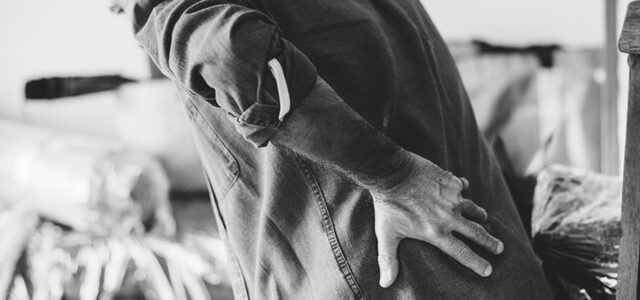
A 56-year-old man from Pennsylvania developed severe right-sided back and flank pain, described as feeling “punched in the kidney,” followed by progressive neurologic symptoms.
Initial diagnosis was suspected herpes zoster without rash. However, symptoms worsened despite antiviral therapy.
Signs and Symptoms
- Abdominal and back muscle spasms
- Tactile allodynia
- Formication (skin-crawling sensation)
- Band-like thoracic pain
- Urinary hesitancy and incomplete voiding
- Hyperreflexia and abnormal neurologic reflexes
- Segmental sensory loss across the thorax
MRI revealed an “expansile T2 hyperintensity” involving the thoracic spinal cord (T7–10), consistent with acute transverse myelitis.
Diagnosis and Treatment
The patient initially experienced partial relief with corticosteroids and antiviral therapy.
Two weeks later, Lyme disease was confirmed through laboratory testing.
He was treated with a 3-week course of intravenous ceftriaxone, resulting in near-complete resolution of symptoms.
Including Lyme disease testing in the evaluation of acute transverse myelitis may identify a treatable cause of neurologic disease.
Learn more about Lyme disease testing limitations and when additional evaluation may be needed.
Clinical Perspective
This case highlights a critical point: Lyme disease can present as a reversible neurologic disorder—even when initial symptoms mimic other conditions.
Failure to recognize Lyme myelopathy may delay appropriate treatment.
In endemic areas, clinicians should consider Lyme disease in the differential diagnosis of acute transverse myelitis, particularly when no clear cause is identified.
Related Articles:
CIDP case resolved with antibiotics
References:
- Kaiser EA, George DK, Rubenstein MN, Berger JR. Lyme myelopathy: Case report and literature review. Mult Scler Relat Disord. 2019.
Dr. Daniel Cameron, MD, MPH
Lyme disease clinician with over 30 years of experience and past president of ILADS.
Symptoms • Testing • Coinfections • Recovery • Pediatric • Prevention


This is a great find as I have some of these things and prevent me from excelling at what I do. It normally go away with antibiotics and I am a Late stage Lymie.
Thank you, Dr. Cameron.
It would be nice if my cardiologists believed in chronic Lyme and would treat it. Instead, they convinced me I needed a double bypass, which has left me worse off than before 4+ months later. I would love to take them a printout of how to treat it. These “fake” heart attacks that kick my BP up to 220/149 and my HR to 120, among other issues is getting to be too much. Thanks for all the reading material Dr. Cameron. I get through it as I am able.
I had the symptoms of transverse militis after my tick bite with a rash. Doctors in North Dakota would not accept that this was possible. They would not accept the fact these kinds of ticks are in ND! Since then, I have had unsuccessful back surgeries, and I am in constant pain. I did have stroke like symptoms soon after the tick bite. After many years, I continue to suffer with no relief!