
Why Symptoms Don’t Fit One Diagnosis
Why Symptoms Don’t Fit One Diagnosis Why symptoms don’t fit one diagnosis is a question many patients ask after months

Conditions Lyme Disease Can Mimic (And Why It’s Often Misdiagnosed)
Conditions Lyme Disease Can Mimic (And Why It’s Often Misdiagnosed) Conditions Lyme disease can mimic are often the reason patients

Can You Get Lyme Disease Outside Endemic Areas?
Can You Get Lyme Disease Outside Endemic Areas? Lyme disease outside endemic areas is more common than many patients and
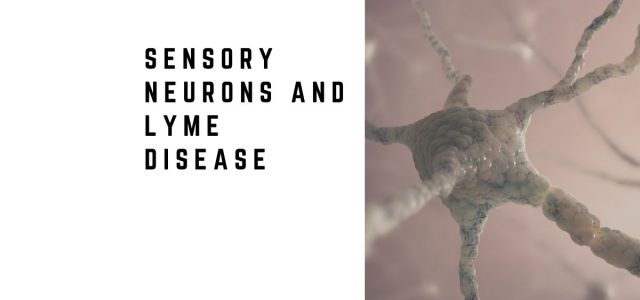
Sensory Neurons and Lyme Disease: Why Your Body Overreacts to Pain and Sensation
Sensory Neurons in Lyme Disease: Why Your Body Overreacts to Pain and Sensation Sensory neurons in Lyme disease may explain

Can Lyme Disease Stay Dormant? Why Symptoms Come Back Later
Can Lyme Disease Stay Dormant? Why Symptoms Come Back Later “I thought I was better—then my symptoms came back.” Can

Why Are Alpha-gal Reactions Delayed After Eating Meat?
Why Are Alpha-gal Reactions Delayed After Eating Meat? Alpha-gal delayed reaction is one of the most confusing features of this
Why Lyme Symptoms Move Around the Body
Why Lyme Symptoms Move Around the Body Why do Lyme symptoms move around the body? Many patients notice that pain,
Why Lyme Symptoms Get Worse at Night
Why Lyme Symptoms Get Worse at Night Quick answer: Lyme symptoms often get worse at night due to autonomic nervous

Doctor Who Treats Chronic Lyme | What to Look For
Finding a Doctor Who Treats Chronic Lyme What should you look for in a doctor who treats chronic Lyme? Many