
Probiotics May Help Prevent C. difficile in Lyme Disease Treatment
Probiotics may reduce the risk of C. difficile infection in Lyme disease patients receiving antibiotics. With at least 300,000 new cases of Lyme disease each year in the United States, many patients require antibiotic therapy, which can increase the risk of Clostridium difficile-associated diarrhea (CDAD). :contentReference[oaicite:0]{index=0}
At the same time, stopping antibiotics too early can lead to inadequate treatment and long-term complications. Clinicians must balance these competing risks when managing Lyme disease.
Balancing Antibiotic Risks in Lyme Disease
Antibiotic therapy for Lyme disease has been associated with CDAD, including rare fatal cases. [1–3]
However, untreated or undertreated Lyme disease can lead to chronic complications, including neurologic Lyme disease, encephalopathy, neuropsychiatric symptoms, autonomic dysfunction, and post-treatment Lyme disease syndrome (PTLDS). [4–9]
Understanding C. difficile Infection
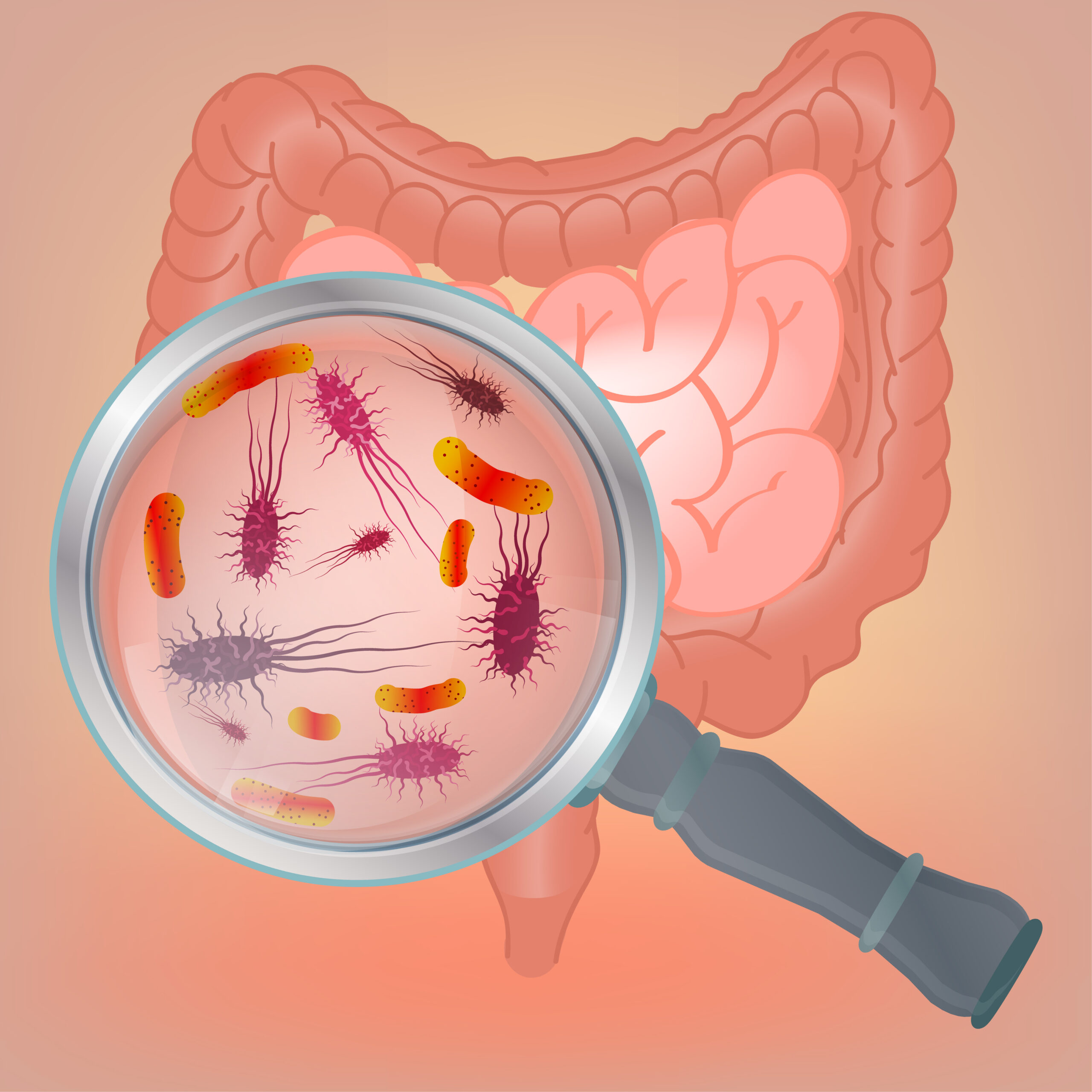
C. difficile is a toxin-producing bacterium and a leading cause of hospital- and community-acquired diarrhea.
Severe complications can include toxic megacolon, septic shock, and death. [10]
Treatment options include metronidazole, oral vancomycin, and fecal microbiota transplantation, which has shown high success rates in recurrent cases. [11]
Role of Probiotics in Preventing C. difficile
Probiotics have been shown to significantly reduce the risk of CDAD. One meta-analysis found a 60.5% reduction in risk among patients receiving antibiotics. [10]
Different probiotic strains—including Lactobacillus, Saccharomyces, and mixed formulations—were all associated with reduced risk.
Probiotics may help restore gut microbiota, inhibit pathogenic bacteria, improve intestinal barrier function, and modulate immune responses.
Clinical Implications
Probiotic supplementation may offer a practical strategy to reduce antibiotic-associated complications in Lyme disease treatment.
Clinicians should weigh the risks of C. difficile infection against the risks of undertreating Lyme disease, while considering supportive strategies such as probiotics.
Further research is needed to determine optimal strains, dosing, and timing of probiotic use.
References
- Eppes SC, Childs JA. Pediatrics, 2002.
- Holzbauer SM et al. Clin Infect Dis, 2010.
- Nadelman RB et al. South Med J, 1991.
- Logigian EL et al. N Engl J Med, 1990.
- Logigian EL et al. J Infect Dis, 1999.
- Fallon BA et al. Neurology, 2008.
- Fallon BA et al. J Clin Psychiatry, 1993.
- Kanjwal K et al. Cardiol J, 2011.
- Crowder LA et al. Public Health, 2014.
- Lau CS, Chamberlain RS. Int J Gen Med, 2016.
- Cammarota G et al. Aliment Pharmacol Ther, 2015.
Dr. Daniel Cameron, MD, MPH
Lyme disease clinician with over 30 years of experience and past president of ILADS.
Symptoms • Testing • Coinfections • Recovery • Pediatric • Prevention