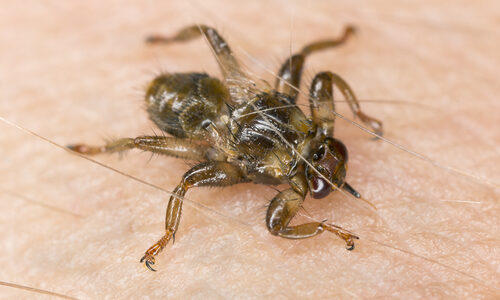
Deer Keds and Lyme Disease: No Evidence of Transmission
Do deer keds transmit Lyme disease? Despite growing interest and concern, current evidence does not support transmission of Borrelia burgdorferi or Anaplasma phagocytophilum to humans.
This retraction clarifies earlier interpretations and highlights an important distinction between deer keds and deer flies.
Deer Keds vs. Deer Flies: Important Differences
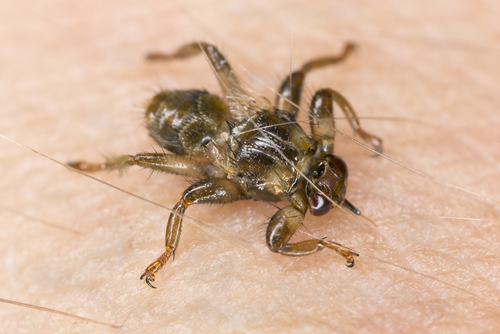
- The Journal of Vector Ecology paper referred to deer keds (family Hippoboscidae, genus Lipoptena), not deer flies (family Tabanidae, genus Chrysops). Thomas Mather provides a helpful explanation of this “tick with wings” in his TickEncounter blog.
What the Evidence Shows
2. The Anaplasma phagocytophilum identified in the study has not been shown to infect humans.
3. The authors concluded: “No evidence thus far suggests that deer ked bites transmit B. burgdorferi or A. phagocytophilum to humans.”
Why This Matters for Lyme Disease Risk
Ticks remain the primary and proven vectors for Lyme disease and anaplasmosis. While deer keds may carry genetic material from these pathogens, this does not establish human transmission.
Clarifying these distinctions helps prevent confusion and keeps attention focused on well-established risks.
Need for Further Research
Continued funding for entomological research is essential to better understand vector behavior and disease transmission. Research into whether deer keds can transmit pathogens to humans remains an open question and warrants further study.
Improving our understanding of vectors ultimately supports efforts to reduce tick populations and lower the burden of Lyme and other tick-borne diseases.
Reference
- Buss M, Case L, Kearney B, Coleman C, Henning JD. Detection of Lyme disease and anaplasmosis pathogens via PCR in Pennsylvania deer ked. J Vector Ecol. 2016;41(2):292-294.
Dr. Daniel Cameron, MD, MPH
Lyme disease clinician with over 30 years of experience and past president of ILADS.
Symptoms • Testing • Coinfections • Recovery • Pediatric • Prevention



My daughter got bit by deer flies 4 times last week and had the typical bullseye around the site. I didn’t think much about it until this week she started to complain about joint pain, headache, and fever. So I looked it up and found your article. Could it be related? Could be a fluke. I am going to find a doctor that does lymes testing just to make sure. I do know there is so much we don’t understand and just brush things under the catogory of stress instead of treating what is really there.
The rash may reflect a reaction to the deer fly bites. It is important to have your daughter be evaluated even if you are not sure if the deer flies are related. The CDC pays most attention to rashes over 2 inches in diameter. Smaller rashes may reflect irritation from a bite. The doctor may have to treat given the tests are not all that reliable early in the disease.
or related bartonellae to humans by the bite of an infected deer ked and fa suggest that a potential role of bartonellae in the etiology of deer ked dermatitis should be investigated further.