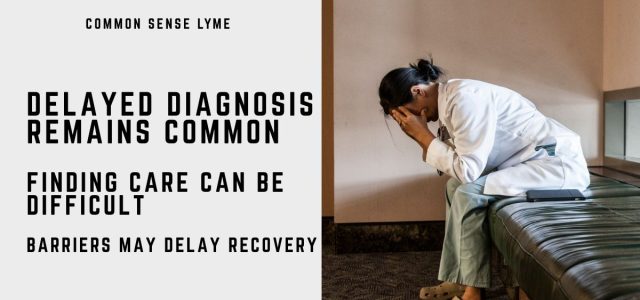
Why Lyme Disease Patients Struggle to Find Care
Why Lyme disease patients struggle to find care is a question many families ask after months—or years—of unanswered symptoms.
For some, the problem begins with missed early symptoms. For others, barriers emerge after diagnosis, when access to experienced clinicians, insurance coverage, and ongoing care become difficult to navigate.
Research examining clinician experiences suggests that these barriers are not isolated events but part of a broader structural problem affecting patients with persistent symptoms and complex illness patterns.
Delayed Lyme Disease Diagnosis Remains Common
Delayed diagnosis is one of the biggest barriers facing patients.
Clinicians surveyed about persistent Lyme disease care identified several major reasons for delays, including inadequate physician education, false-negative laboratory testing, prior misdiagnosis, absence of a rash, and geographic assumptions about Lyme risk.
More than three-quarters of patients in prior surveys were not diagnosed within the first six months of illness. Delayed diagnosis may increase the likelihood of prolonged symptoms and more complex recovery trajectories.
Read more about delayed Lyme disease diagnosis.
Finding Experienced Lyme Care Can Be Difficult
Patients frequently report seeing multiple clinicians before receiving a diagnosis or treatment plan.
The survey found that many practices caring for persistent Lyme disease patients had prolonged wait times for new consultations, with some patients waiting months for appointments.
Distance creates another challenge. Many patients travel significant distances to access care, particularly when local options are limited.
These access problems contribute to a supply-demand imbalance where patient needs outpace clinician availability.
Insurance and Financial Barriers Add Complexity
Insurance barriers remain a major concern for many families.
Clinicians reported prior authorization burdens, insurance denials, and challenges delivering complex care within traditional reimbursement systems.
Long appointments, extensive record reviews, and multidisciplinary management often require more time than standard reimbursement models support.
Patients may face:
- Out-of-pocket costs
- Travel expenses
- Lost work time
- Testing expenses
- Medication authorization delays
Medical Dismissal and Stigma Affect Care
Many patients describe feeling dismissed when symptoms remain unexplained or persist after treatment.
Clinicians surveyed also reported professional stigma, concerns about regulatory scrutiny, and challenges associated with treating patients with persistent symptoms.
These dynamics may contribute to limited access and fewer clinicians entering the field.
Read more about medical dismissal in Lyme disease.
Complex Illness Requires More Time
Persistent Lyme disease symptoms often involve multiple systems simultaneously.
Patients may present with combinations of fatigue, pain, cognitive symptoms, autonomic dysfunction, sleep disruption, gastrointestinal symptoms, and overlapping coinfections.
Managing this complexity requires time, careful follow-up, and individualized evaluation.
Explore more about persistent Lyme disease symptoms.
Why Access Problems Matter
Difficulty accessing care affects more than convenience.
Delayed treatment, fragmented care, and repeated misdiagnosis may contribute to prolonged disability, financial stress, and reduced quality of life.
Earlier recognition and improved access could potentially reduce some of these downstream effects.
Frequently Asked Questions
Why is Lyme disease diagnosis delayed so often?
Missed rashes, false-negative tests, geographic assumptions, and symptom overlap with other conditions may delay diagnosis.
Do Lyme patients often see multiple doctors?
Yes. Many patients report seeing several clinicians before receiving a diagnosis or treatment plan.
Why do Lyme patients travel long distances for care?
Patients may travel because experienced clinicians are not available locally or because wait times are prolonged.
Does insurance create barriers to Lyme care?
Insurance denials, prior authorizations, and limited reimbursement for complex care may contribute to access problems.
Can delayed care worsen outcomes?
Several studies suggest delayed diagnosis and treatment may increase the likelihood of prolonged illness or persistent symptoms.
Clinical Perspective
Access to care problems in Lyme disease involve more than individual clinicians or isolated experiences.
Delayed diagnosis, structural barriers, geographic limitations, and reimbursement challenges together create obstacles that many patients face long before treatment decisions begin.
Clinical Takeaway
Improving Lyme disease outcomes may require improving access—not only improving diagnostics and treatments.
Related Articles
These related articles explore delayed diagnosis, symptom persistence, and barriers to care.
Delayed Lyme Disease Diagnosis
Medical Dismissal in Lyme Disease
Persistent Lyme Disease Symptoms
Why Lyme Tests Medicine
Recovery From Lyme Disease
References
- Johnson LB, Maloney EL. Access to Care in Lyme Disease: Clinician Barriers to Providing Care. Healthcare (Basel). 2022;10(10):1882.
Dr. Daniel Cameron, MD, MPH
Lyme disease clinician with over 30 years of experience and past president of ILADS.
Symptoms • Testing • Coinfections • Recovery • Pediatric • Prevention