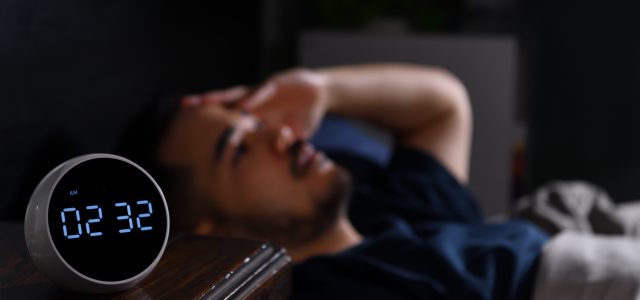
Why Lyme Symptoms Get Worse at Night
Quick answer: Lyme symptoms often get worse at night due to autonomic nervous system instability, disrupted cortisol timing, and increased inflammatory signaling during vulnerable sleep transitions.
Why do Lyme symptoms get worse at night? Many patients notice a pattern: symptoms feel more intense in the evening or wake them suddenly during the night. This pattern is common and reflects predictable physiologic changes—not just stress or poor sleep.
Many patients say the same thing: “I feel worse when the day winds down—or I wake up in the middle of the night and can’t get back to sleep.”
Lyme disease often does not stay in one system. Symptoms may shift across neurologic, musculoskeletal, and autonomic systems—and these shifts are often more noticeable at night.
Nighttime Is a Vulnerable Physiologic Window
During the night, the body transitions through changes in hormone levels, immune activity, and nervous system balance. In healthy individuals, these changes are smooth and unnoticed.
In Lyme disease, these same transitions can become exaggerated. The result is a pattern of worsening symptoms in the evening or sudden awakenings during the night.
This is not random—it reflects instability in the systems that regulate sleep, inflammation, and autonomic function.
Autonomic Nervous System Instability
The autonomic nervous system controls heart rate, blood pressure, temperature, and sleep-wake transitions. Lyme disease can disrupt this system, making it harder to maintain stable sleep.
At night, this instability may trigger sudden shifts into a sympathetic (“fight-or-flight”) state. Patients often describe:
- Sudden awakenings with a pounding heart
- Internal shaking or restlessness
- Heat, chills, or night sweats
- A sense that the body has abruptly “switched on”
These symptoms often occur during lighter stages of sleep, when the nervous system is more vulnerable to disruption.
Circadian Rhythm and Hormone Changes
Hormones such as cortisol follow a daily rhythm. Normally, cortisol rises gradually toward morning. In Lyme disease, this timing can become disrupted.
A premature or exaggerated cortisol rise may lead to sudden wakefulness, often in the early morning hours.
Many patients describe waking between 2 and 3 AM with a surge of alertness or internal tension. Learn more about this pattern in Lyme disease insomnia.
Inflammation and Immune Activity
Inflammatory signaling can fluctuate over the course of the day. In some patients, symptoms such as pain, cognitive dysfunction, or sensory sensitivity become more noticeable at night.
This may reflect the interaction between immune activity, nervous system sensitivity, and reduced external distractions during nighttime hours.
Symptoms That Commonly Worsen at Night
Patients with Lyme disease may notice nighttime worsening of:
- Joint or muscle pain
- Neuropathic symptoms such as burning or tingling
- Brain fog or racing thoughts
- Anxiety or internal restlessness
- Night sweats or temperature changes
- Palpitations or dizziness
For example, night sweats are commonly associated with co-infections such as Babesia. Learn more about night sweats in Lyme disease.
For a broader overview, see Lyme disease sleep disorders.
Why Nighttime Symptoms Are Often Misinterpreted
Because symptoms worsen at night, they are often attributed to anxiety, insomnia, or stress.
What often misleads patients and clinicians is evaluating symptoms separately rather than recognizing patterns across systems.
These patterns may include symptoms that change from day to day, come and go over time, or move across different parts of the body.
How This Fits the Bigger Pattern in Lyme Disease
Nighttime worsening is one part of a larger pattern in Lyme disease. Symptoms may shift across systems, fluctuate over time, and change in intensity from day to day.
Recognizing these patterns can be more important than focusing on any single symptom.
When to Seek Evaluation
Patients experiencing persistent or unexplained nighttime symptoms—especially when combined with fatigue, neurologic symptoms, or pain—may benefit from evaluation for Lyme disease or other tick-borne infections.
For guidance on finding experienced care, see doctor who treats chronic Lyme.
Clinical Takeaway
Lyme symptoms often worsen at night because of autonomic instability, circadian rhythm disruption, and inflammatory signaling. These changes reflect underlying physiologic processes—not simply stress or poor sleep.
Recognizing nighttime symptom patterns can help guide diagnosis and support more effective treatment.
Frequently Asked Questions
Why are Lyme symptoms worse at night?
Changes in hormones, autonomic function, and inflammation can make symptoms more noticeable during nighttime hours.
Is nighttime worsening a sign of anxiety?
Not necessarily. In Lyme disease, these symptoms are often driven by physiologic changes rather than psychological factors.
Dr. Daniel Cameron, MD, MPH
Lyme disease clinician with over 30 years of experience and past president of ILADS.
Symptoms • Testing • Coinfections • Recovery • Pediatric • Prevention