Do Short Courses of Antibiotics Fall Short in Lyme Disease?
Standard treatment for Lyme disease often includes a 2–3 week course of antibiotics. However, several studies have raised questions about whether this duration is sufficient for all patients. :contentReference[oaicite:0]{index=0}
Early Concerns About Treatment Duration
As early as 1990, Logigian and colleagues suggested that a two-week course of intravenous ceftriaxone might not fully eradicate the Lyme bacterium, raising the possibility of relapse in some patients.
Findings from a European Clinical Study
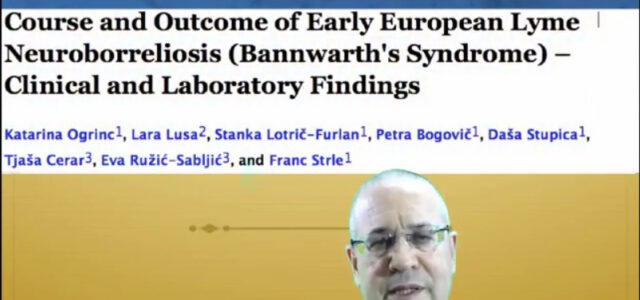
A clinical study from Slovenia followed 77 patients with early Lyme neuroborreliosis (Bannwarth’s syndrome), most of whom received a 2-week course of ceftriaxone.
Despite relatively early treatment:
- 26% required repeat antibiotic therapy within 3–6 months
- 12% had unfavorable long-term outcomes at 6–12 months
Unfavorable outcomes included persistent neurologic symptoms, ongoing pain, or functional impairment.
Notably, many patients had a short duration of illness prior to treatment, suggesting that early therapy alone did not guarantee full recovery.
Similar Findings in Other Studies
These concerns are not limited to a single study.
A Netherlands trial reported only modest improvement in quality of life following a 2-week course of intravenous ceftriaxone in patients with persistent symptoms.
In the United States, a Johns Hopkins study found that:
- 36% of patients reported fatigue at 6 months
- 20% reported widespread pain
- 45% reported cognitive difficulties
These patients were not retreated and were classified as having Post-Treatment Lyme Disease Syndrome (PTLDS).
What These Findings Suggest
Across multiple studies, a subset of patients continued to experience symptoms despite receiving standard short-course antibiotic therapy.
This raises an important clinical question: whether a fixed-duration approach is sufficient for all patients.
Clinical Perspective
Standard antibiotic regimens are effective for many individuals with Lyme disease.
However, the variability in patient outcomes suggests that some cases may require closer follow-up or individualized treatment strategies.
Further research is needed to determine which patients are at risk for persistent symptoms and how best to manage them.
Patients may benefit from understanding persistent symptoms, reviewing treatment variability, and considering coinfections when recovery is incomplete.
Key Takeaway
Short courses of antibiotics are effective for many—but not all—Lyme disease patients. Persistent symptoms following treatment highlight the need for individualized care.
References
- Logigian EL et al. N Engl J Med. 1990.
- Ogrinc K et al. Clin Infect Dis. 2016.
- Berende A et al. N Engl J Med. 2016.
- Aucott JN et al. Qual Life Res. 2013.
Dr. Daniel Cameron, MD, MPH
Lyme disease clinician with over 30 years of experience and past president of ILADS.
Symptoms • Testing • Coinfections • Recovery • Pediatric • Prevention