ILADS Lyme Guidelines Ranked Among Top Research Articles
The ILADS guidelines ranked in the top 5% of research articles.
Altmetric scoring reflects widespread public and clinical discussion.
The guidelines continue to influence debate surrounding Lyme disease treatment.
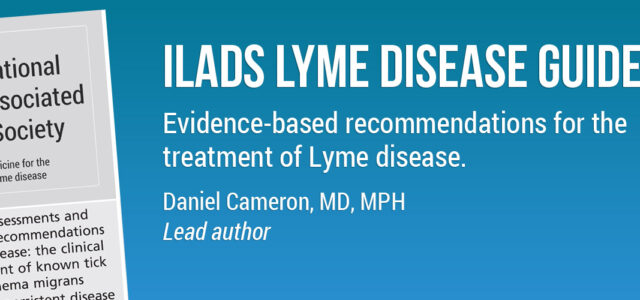
The ILADS Lyme disease guidelines ranked in the top 5% of all research articles based on Altmetric scoring, highlighting their reach and influence beyond traditional academic citation metrics.
The ranking reflects widespread discussion of the guidelines across medical publications, news coverage, social media, and public health conversations.
What Is an Altmetric Score?
Altmetrics measure how often research is discussed and shared across:
- news outlets
- social media
- policy documents
- blogs
- online medical discussions
Unlike traditional citation counts, Altmetrics attempt to measure how research is influencing real-world conversations and public awareness.
A high Altmetric score suggests that an article is receiving significant attention both inside and outside the academic community.
Why the ILADS Guidelines Were Developed
The ILADS guidelines were developed in response to ongoing concerns regarding:
- persistent symptoms after Lyme disease treatment
- variability in patient outcomes
- clinical uncertainty surrounding treatment duration
- differences in physician experience treating Lyme disease
The guidelines were created using the GRADE framework, which evaluates evidence based on:
- quality of evidence
- balance of risks and benefits
- patient values and preferences
- resource utilization
This framework was intended to provide a structured and transparent approach to Lyme disease treatment recommendations. [1]
ILADS Guidelines and Clinical Practice
Several studies suggest that physicians often individualize Lyme disease treatment in clinical practice.
Survey data from New England physicians reported that:
- 50% believed prolonged antibiotic therapy was sometimes useful
- 25% believed prolonged therapy was always useful
Insurance claims analyses also demonstrated variability in treatment duration and antibiotic selection. [3,4]
One study found that:
- 18% of patients received extended antibiotic treatment
- average treatment duration was approximately 86 days
- many patients received more than one antibiotic
These findings suggest that clinicians frequently adapt treatment approaches based on individual patient presentations.
Ongoing Debate Over Lyme Disease Treatment
The ILADS guidelines continue to be widely discussed because Lyme disease remains clinically complex and controversial.
Some clinicians emphasize shorter standardized treatment approaches, while others support individualized management strategies for patients with persistent symptoms.
The widespread discussion surrounding the ILADS guidelines reflects continuing disagreement regarding:
- persistent Lyme disease symptoms
- optimal treatment duration
- retreatment decisions
- the role of clinical judgment in care
Why the Altmetric Ranking Matters
The strong Altmetric ranking suggests that the ILADS guidelines continue to shape discussion among:
- patients
- clinicians
- researchers
- policy observers
- public health communities
Unlike many academic papers that remain largely confined to medical journals, the ILADS guidelines generated substantial discussion beyond traditional research circles.
Clinical Perspective
The ILADS guidelines represent an effort to address the variability seen in Lyme disease outcomes using a structured, evidence-based framework.
Their high Altmetric ranking reflects ongoing public and professional interest in individualized Lyme disease care and persistent symptoms following treatment.
Whether broader implementation improves long-term patient outcomes remains an important area for continued study.
Patients may benefit from understanding treatment variability, reviewing persistent symptoms, and considering ethical considerations when evaluating treatment options.
Key Takeaway
The ILADS guidelines continue to influence discussion surrounding Lyme disease treatment, persistent symptoms, and individualized care.
References
- Cameron DJ, Johnson LB, Maloney EL. Evidence assessments and guideline recommendations in Lyme disease: the clinical management of known tick bites, erythema migrans rashes and persistent disease. Expert Rev Anti Infect Ther. 2014.
- Wormser GP, Dattwyler RJ, Shapiro ED, et al. The clinical assessment, treatment, and prevention of Lyme disease. Clin Infect Dis. 2006.
- Tseng YJ, Cami A, Goldstein MK, et al. Clinician variation in Lyme disease treatment. Clin Infect Dis. 2015.
- Macauda MM, et al. Long-term antibiotic therapy for Lyme disease in clinical practice. Vector Borne Zoonotic Dis. 2011.
Dr. Daniel Cameron, MD, MPH
Lyme disease clinician with over 30 years of experience and past president of ILADS.
Symptoms • Testing • Coinfections • Recovery • Pediatric • Prevention